
Hybrid Athlete Training Plan: How to Lift and Run in 2026 (Ultimate Guide)
The era of choosing between being “big” or being “fast” is over. In 2026, the modern athlete does both.
If you’ve landed here, you’re likely stuck in the same limbo I was a few years ago: you love the pump of a heavy deadlift, but you also crave the runner’s high. You’ve probably heard the fear-mongering about the “Interference Effect”—that running kills gains and lifting makes you slow.
I’ve analyzed the top training protocols, from the trenches of Reddit to the elite strategies of Hyrox competitors and influencers like Nick Bare. The conclusion? You can do both. But only if you stop training like a bodybuilder who jogs, and start training like a Hybrid Athlete.
This is your roadmap to building a machine using the ultimate Hybrid Athlete Training Plan designed to lift heavy iron and run long distances in 2026.

The Truth About Hybrid Training (Forget What You Knew)
Do Cardio and Weights Cancel Out? The “Interference Effect” Myth
Let’s address the elephant in the room. For years, gym bros told me that running would eat my muscle. Science calls this the “Interference Effect” (mTOR vs. AMPK pathways).
Here is the reality check: Unless you are an elite Olympian trying to break a marathon world record while powerlifting 800lbs, interference is negligible.
The real enemy isn’t cellular interference; it’s systemic fatigue. When I first started, I tried to smash a heavy leg day in the morning and run intervals in the evening. I crashed hard. The problem wasn’t the biology; it was my programming. In 2026, we solve this by spacing sessions and managing intensity, not by avoiding cardio.
The 2026 Mindset: Why Specialization is Dead
We are seeing a shift. Events like Hyrox and tactical fitness challenges have proven that versatility is the ultimate flex. Being a “specialist” is fragile. Being a hybrid athlete is anti-fragile.
The goal isn’t to be the best runner in the gym or the strongest lifter on the track—it’s to be the most dangerous person in both arenas.

The 3 Pillars to Avoid Burnout
If you ignore these, you will get injured. I learned this the hard way after ignoring my resting heart rate (RHR) and ending up with a stress fracture.
1. Fatigue Management: Your New Currency
You have a limited budget of recovery. Every heavy squat set costs money. Every sprint interval costs money.
-
The Golden Rule: You cannot peak everything at once. If you are pushing for a PR in the marathon, your lifting goes into “maintenance mode” (lower volume). If you are bulking, your running volume drops.
-
Spacing: Ideally, separate lifting and running by at least 6 hours to allow cell signaling to reset.
2. Nutrition: “Eat to Perform” is Not a Cliché
When I transitioned to hybrid training, I felt constantly depleted. I realized I was still eating like a physique athlete (low carb, fear of calories). Hybrid athletes need fuel. You are burning significantly more than the average gym-goer.
-
Carbs are King: You need glycogen for lifting and running. Don’t fear rice, potatoes, and oats.
-
Protein: Keep it high (1.6g – 2g per kg of body weight) to repair the damage from dual modalities.
3. The Art of the “Easy Run” (Zone 2) Explained
This is where 90% of people fail. They run too fast.
In almost all the successful logs I analyzed (including the top Reddit threads), the breakthrough happened when athletes embraced Zone 2 training. This is running at a conversational pace (60-70% of Max HR).
My rule: If I can’t talk in full sentences while running, I’m going too fast for a recovery run.
Why? It builds your aerobic engine without taxing your CNS (Central Nervous System), allowing you to save your energy for heavy lifting.
The Structure: Your Weekly Hybrid Split (2026 Editions)
There is no “one size fits all.” Below is a comparison of the three most effective splits based on your experience level and time availability.
| Feature | Beginner (Consolidation) | Intermediate (Classic 3+3) | Advanced (Block/Double) |
|---|---|---|---|
| Weekly Goal | Build base fitness & habit | Balance strength & speed | Peak performance / Competition |
| Strength Days | 2-3 (Full Body) | 3 (Push/Pull/Legs or U/L) | 4 (Specific Split) |
| Running Days | 2-3 (Low Intensity) | 3 (1 Speed, 2 Easy) | 4+ (Includes Double Days) |
| Total Sessions | 4-5 per week | 6 per week | 8-10 (AM/PM splits) |
Beginner: The “Consolidation” Approach
Focus: Getting your body used to moving often.
-
Monday: Full Body Strength (Focus on Squat/Bench).
-
Tuesday: Easy Run (30-40 mins Zone 2).
-
Wednesday: Rest or Active Recovery (Walk/Yoga).
-
Thursday: Full Body Strength (Focus on Deadlift/Overhead Press).
-
Friday: Easy Run (30-40 mins).
-
Weekend: Long Walk/Hike or Rest.
Intermediate: The Classic “3+3” (Highly Recommended)
Focus: The sweet spot for 80% of people reading this.
-
Monday: Lower Body Strength (Heavy).
-
Tuesday: Upper Body Strength.
-
Wednesday: Interval Run (Speed work / Tempo).
-
Thursday: Easy Run (Zone 2) + Core.
-
Friday: Full Body Hypertrophy (Accessory work).
-
Saturday: Long Run (Zone 2, increasing distance).
-
Sunday: Total Rest.
Advanced: Double Days
Only for those with high recovery capacity. Here, you might lift in the AM and run easy in the PM. Note: Never do high-intensity running and heavy legs on the same day. Keep hard days hard, and easy days easy.
Strength Programming: Lifting to Run
You cannot train like a bodybuilder doing 20 sets of bicep curls if you want to run a sub-4 hour marathon. You need efficiency.
Exercise Selection: The “Big Rocks”
Your program must revolve around compound movements.
- Squat Variation: Builds leg resilience for running impact.
- Hinge (Deadlift/RDL): Strengthens the posterior chain (glutes/hamstrings), crucial for propelling you forward.
- Unilateral Work: Lunges and split squats. Running is a single-leg sport; your lifting should reflect that.
Volume vs. Intensity: The Trap
A common mistake I see (and captured in the “bad” examples from the analyzed URLs) is too much “junk volume.”
Solution: Use a minimal effective dose approach like 5/3/1 or Tactical Barbell. Low volume, high intensity. Get in, hit your heavy numbers, do some assistance work, and get out. Save your energy reserves for the road.
🛍️ Hybrid Athlete Gear Guide (What You Actually Need)
Don’t let gear hold you back, but the right tools prevent injury and improve data tracking. Here are the 3 critical investments:
- The Shoe Strategy (Don’t Mix These Up!) For Lifting: You need a flat, stable base. Do not squat in running shoes (too squishy = instability). Go for Converse Chuck Taylors, Nike Metcons, or Reebok Nanos. For Running: Go to a specialized store and get a gait analysis. Popular daily trainers include the Saucony Triumph or Brooks Ghost.
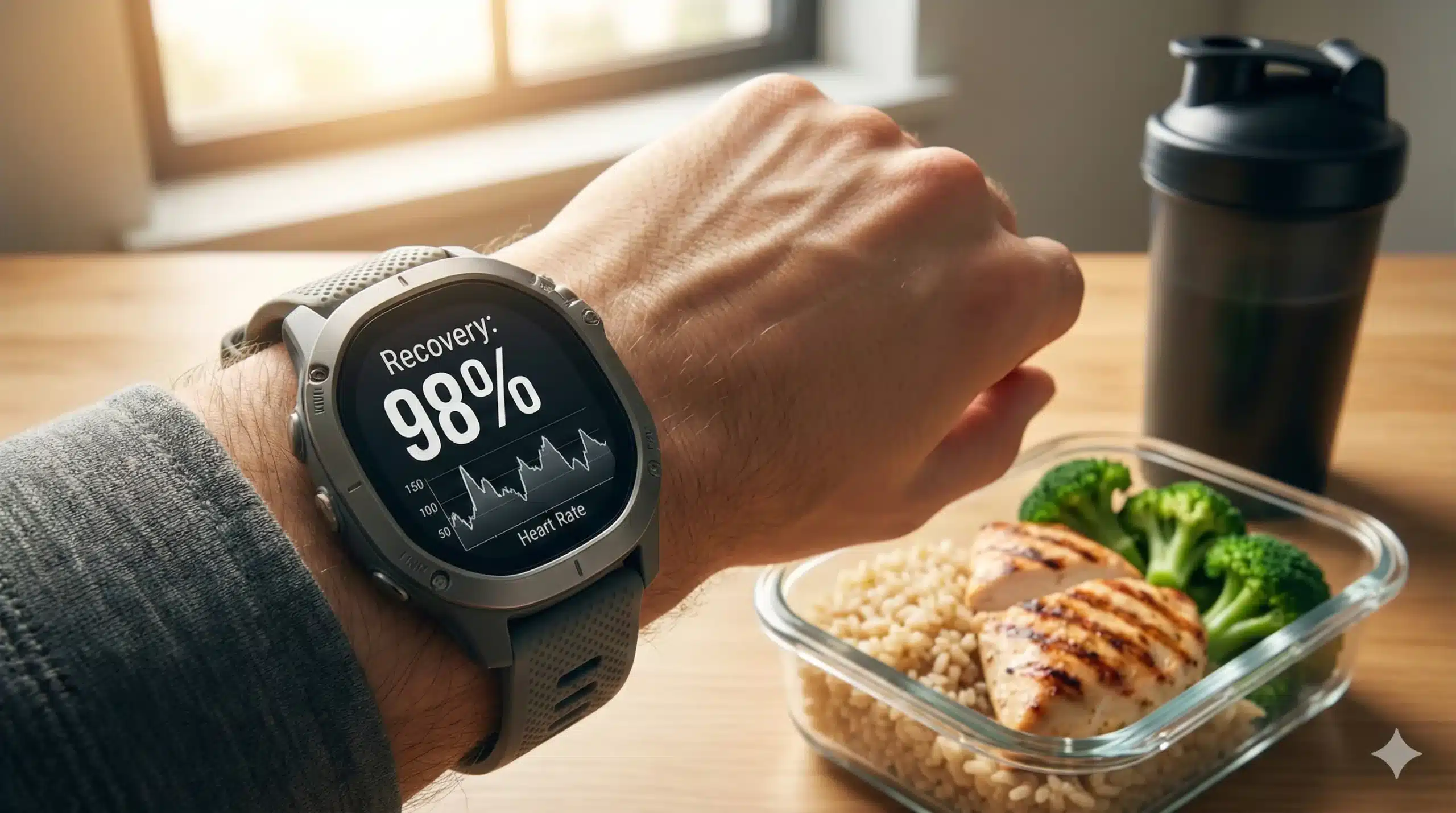
- The GPS Watch To truly track Zone 2, you need accurate heart rate data. The Garmin Forerunner 265 or Coros Pace 3 are the industry standards for hybrid athletes due to their battery life and durability.
- Intra-Workout Fuel If you hit those long Saturday runs (90+ mins), water isn’t enough. You need electrolytes and easy carbs. Look for simple gels or carb powders to prevent “bonking.”
🏋️♂️🏃♂️ Hybrid Athlete Gear 2026
Don't squat in running shoes. The essential toolkit for lifting heavy and running far.
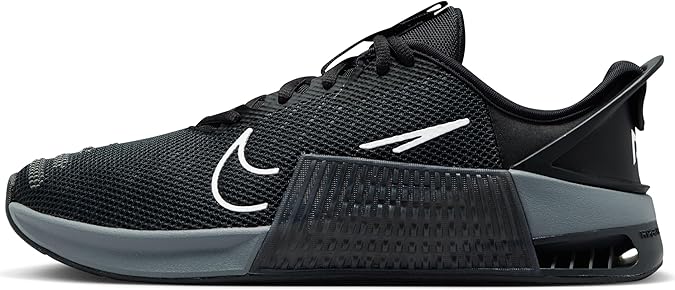
Nike Metcon 9
For Strength Days. Do not squat in squishy running shoes. You need a flat, stable heel to transfer force safely during heavy compound lifts.

Garmin Forerunner 265
The industry standard. To build your engine without burnout, you need accurate heart rate data to stay strictly in Zone 2 on recovery runs.
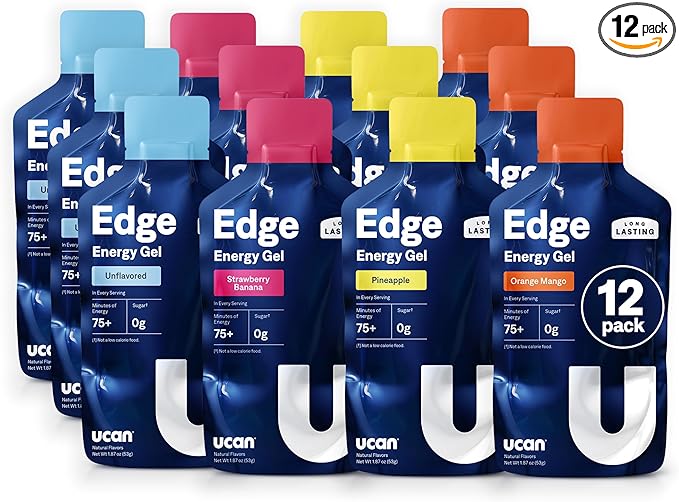
Energy Gels (Gu/Maurten)
For the long Saturday run (90+ mins). Water isn't enough. Fast-acting carbs are non-negotiable to prevent glycogen depletion and fatigue.
Frequently Asked Questions (FAQs)
Q: My legs feel heavy on run days. Should I skip?
A: If it’s just heaviness or DOMS (Delayed Onset Muscle Soreness), run through it (slowly). Motion is lotion. The increased blood flow often helps recovery. However, if it’s sharp pain or specific joint pain, rest immediately. Over time, your body adapts to the “heavy leg” feeling—it becomes your new normal.
Q: Can I build muscle while running 30+ miles a week?
A: Yes, but the margin for error in nutrition shrinks drastically. You must be in a caloric surplus. If you aren’t gaining weight, you aren’t eating enough to cover the running expenditure. Track your calories for a week to find your true maintenance level.
Q: How do I find my Zone 2 Heart Rate without a lab test?
A: The most common formula is 180 minus your age. For example, if you are 30 years old, your aerobic ceiling is roughly 150 BPM. Keep your runs below this number. Alternatively, use the “Talk Test”—if you can recite the alphabet without gasping for air, you are in the zone.
Conclusion: Your First Step Today
Becoming a Hybrid Athlete in 2026 isn’t about finding a magic spreadsheet; it’s about consistency and fatigue management.
The top performers analyzed—from Reddit veterans to professional athletes—all share one secret: They don’t quit when it gets hard. They simply adjust the intensity.
Your Action Plan:
- Pick the “Intermediate” split above.
- Calculate your Zone 2 heart rate (180 minus your age is a good rough start).
- Go for a run today. Go slower than you think you need to.
Welcome to the Hybrid Life.