Intermittent Fasting 16/8: Results After 1 Month (The Real Definition & Logistics Guide)
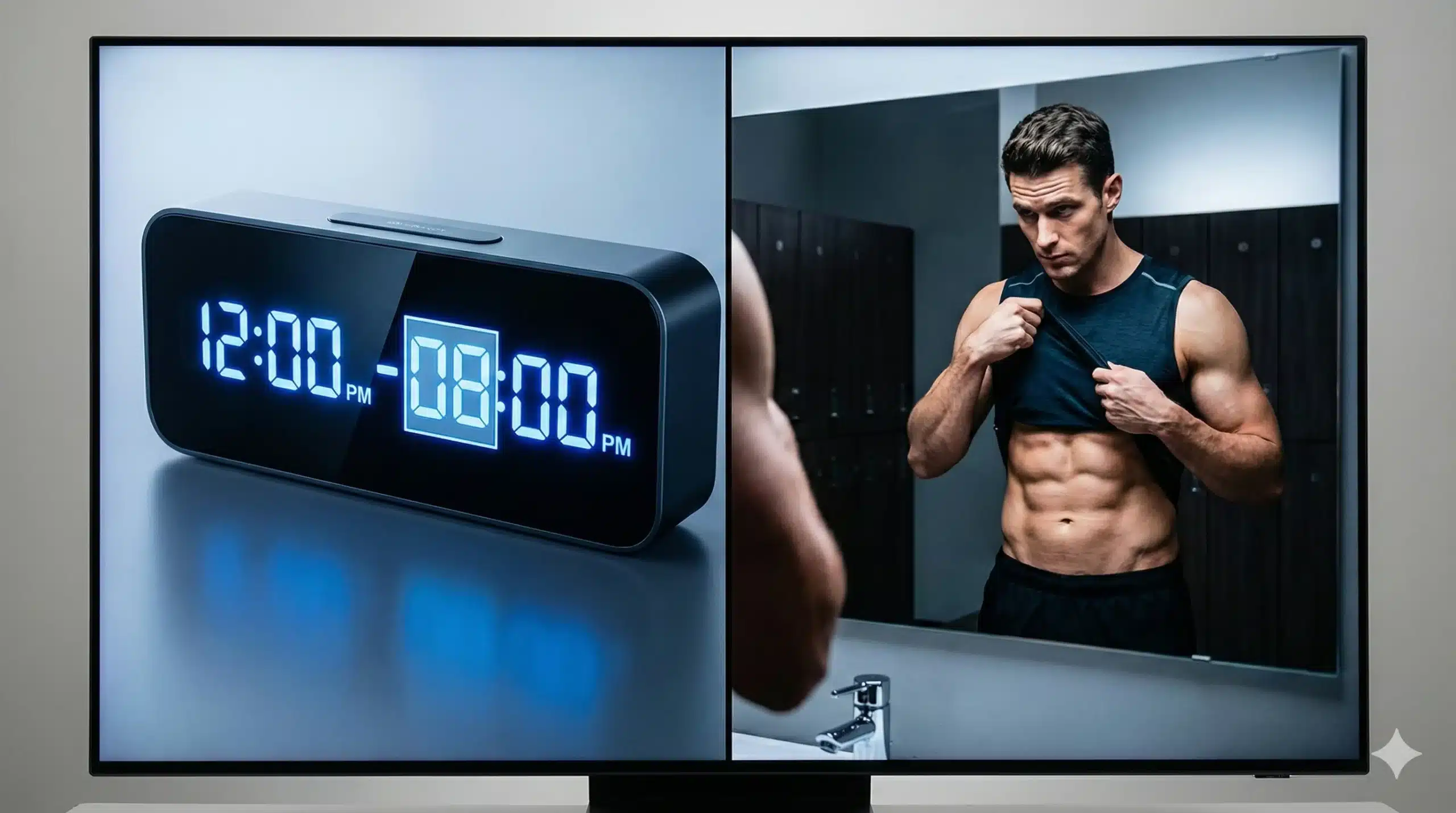
You’ve seen the transformations. You’ve read the hype. But you want to know what the real Intermittent Fasting 16/8 results look like after 30 days, especially if you aren’t just sitting at a desk all day.
Most guides will tell you about dropping water weight. They rarely talk about the logistical nightmare of cramming 180g of protein into an 8-hour window while working 12-hour shifts.
Here is the no-nonsense breakdown of the results, the biology, and the battle plan for your first month.
What Happens to Your Body During 30 Days of 16/8?
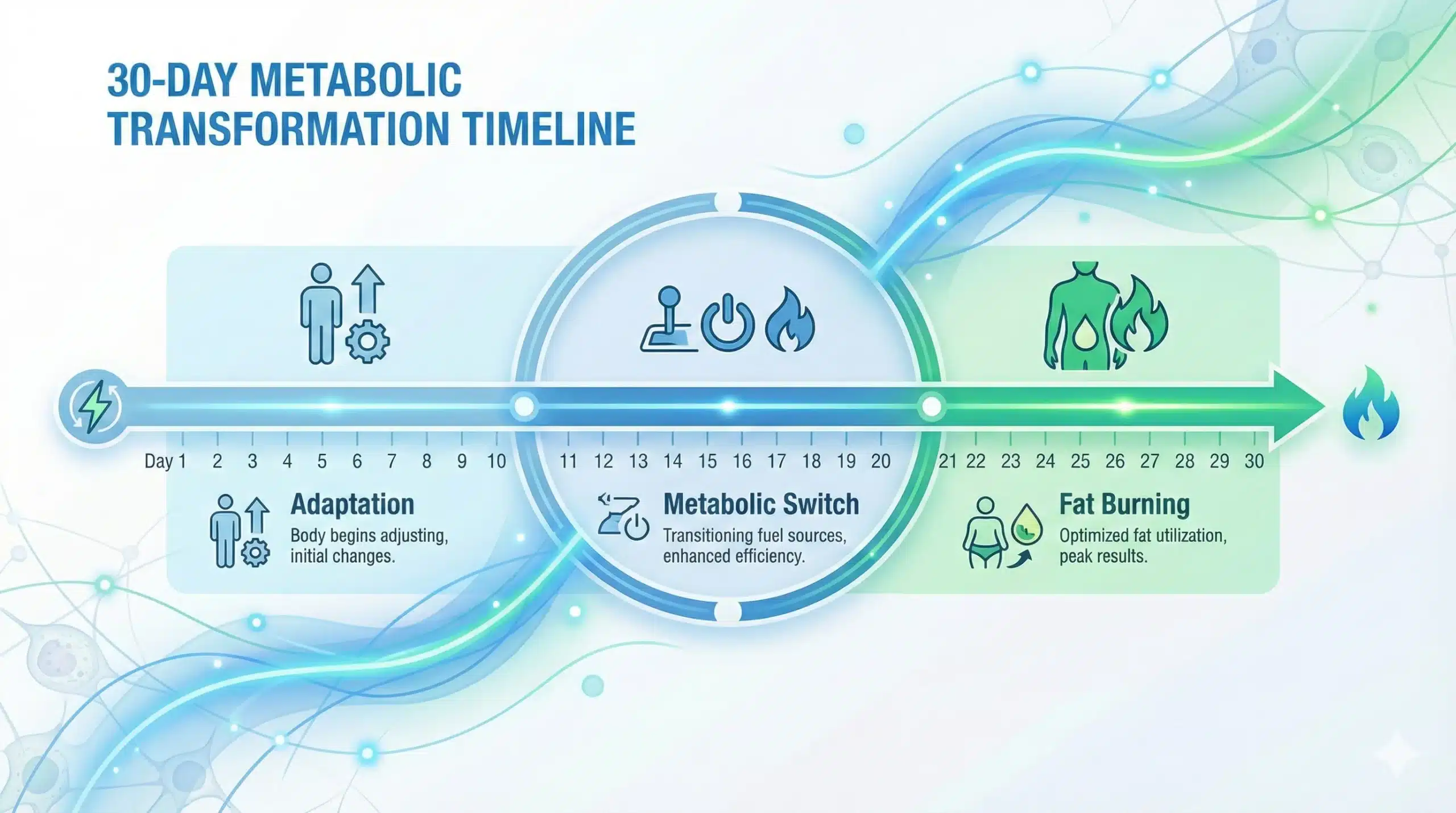
The 16/8 protocol (fasting for 16 hours, eating during an 8-hour window) isn’t magic—it’s math and hormones. Over one month, your body undergoes a metabolic switch. Here is the realistic timeline:
Week 1: The “Ghrelin” Spike & Adaptation
The first week is the hardest. Your body is conditioned to expect glucose at specific times. When you skip breakfast, your hunger hormone (ghrelin) spikes.
-
Reality Check: You aren’t starving; you are just habitual.
-
The Result: Expect water weight loss (glycogen depletion) immediately—often 1 to 2 kgs—but don’t be fooled; this isn’t pure fat yet.
Weeks 2-3: The Metabolic Switch
By day 10-14, the “brain fog” usually lifts. Your insulin levels drop significantly during the fasting window, allowing your body to access stored body fat for fuel more efficiently. Energy levels stabilize because you aren’t riding the glucose rollercoaster of constant snacking.
Week 4: Visible Recomposition
By the end of the month, the Intermittent Fasting 16/8 results become visual.
- Fat Loss: Most users see a noticeable reduction in bloating and body fat percentage.
- Definition: Because insulin is low for 16 hours, you stop holding onto as much water, making muscles look “drier” and more defined.
Hypertrophy & Fasting: A Logistic, Not Metabolic Challenge
This is where most people get it wrong. They think fasting “eats muscle.” In my experience lifting weights while fasting, the issue isn’t metabolic—it’s purely logistical.
The Protein Volume Problem
If you are aiming for hypertrophy, you need to hit your protein macro (e.g., 1.8g to 2g per kg of body weight). The science confirms that as long as the total daily protein is correct, meal frequency is secondary.
However, the reality of the plate is different. Trying to consume your daily quota of chicken, textured soy, eggs, and shakes in just 8 hours is tough. You aren’t “enjoying” dinner; you are managing volume.
Pro Tip: To make this work without losing gains, I learned you have to structure incredibly calorie/nutrient-dense meals right before and after your training or shift. If you fail to prep, you fail to grow.
Hormonal Advantages for Definition
While the eating window is tight, the fasting window is working for you. During those 16 hours, two key things happen:
-
Insulin sensitivity improves: When you do eat, nutrients are shuttled more efficiently into muscle cells rather than fat cells.
-
HGH (Human Growth Hormone) Optimization: Fasting can trigger spikes in HGH, which helps preserve muscle mass even in a caloric deficit. This is the “secret weapon” for getting that dry, shredded look.
The Critical Factor: 12-Hour Shifts & Sleep
If you work rotational shifts or long 12-hour days, standard diet advice fails. I’ve found that 16/8 acts as a double-edged sword for shift workers.
The “Anchor” Effect
Irregular shifts wreck your circadian rhythm. Using a fixed eating window (e.g., 2:00 PM to 10:00 PM) acts as a biological “anchor.” By feeding your body at the exact same time every day, regardless of your shift, you signal to your internal clock when to be awake and when to wind down. This can significantly improve sleep quality, which is usually the first casualty of shift work.
Managing the “Energy Dip”
The downside? If your fasting window hits right in the middle of a high-stress moment in your 12-hour shift, your mental performance might dip initially. Until your body becomes “fat-adapted” (efficient at burning fat for fuel), those mid-shift valleys can be brutal.

Visual Comparison: Standard Diet vs. 16/8 Fasting
| Factor | Standard Caloric Deficit | 16/8 Intermittent Fasting |
|---|---|---|
| Fat Loss Mechanism | Pure Calorie Restriction | Calorie Restriction + Hormonal Optimization (Low Insulin) |
| Muscle Maintenance | Easier (Protein spread over 14h) | High Difficulty (Must compress high volume food into 8h) |
| Shift Work Impact | Neutral (Eat when awake) | High Benefit (Helps reset Circadian Rhythm/Sleep) |
| Results @ 1 Month | Steady weight loss | Weight loss + "Drier" look (Less inflammation/water) |
Common Mistakes That Ruin Month 1 Results
- “Dirty” Re-feeds: Just because you fasted for 16 hours doesn’t mean you can eat ultra-processed garbage. You still need nutrient density.
- Ignoring Hydration: Fasting flushes out electrolytes (Sodium, Potassium, Magnesium). If you feel dizzy or have headaches, it’s not hunger; it’s an electrolyte imbalance. Drink water with a pinch of salt.
- Undereating Protein: As mentioned, if you get lazy with your meal prep and don’t hit your protein targets because “you’re full,” you will lose muscle. Period.
🛍️ 3 Essentials to Master the 16/8 Logistics (Buying Guide)
Before you start your month of fasting, ensure you have these tools to handle the logistical challenges mentioned above:
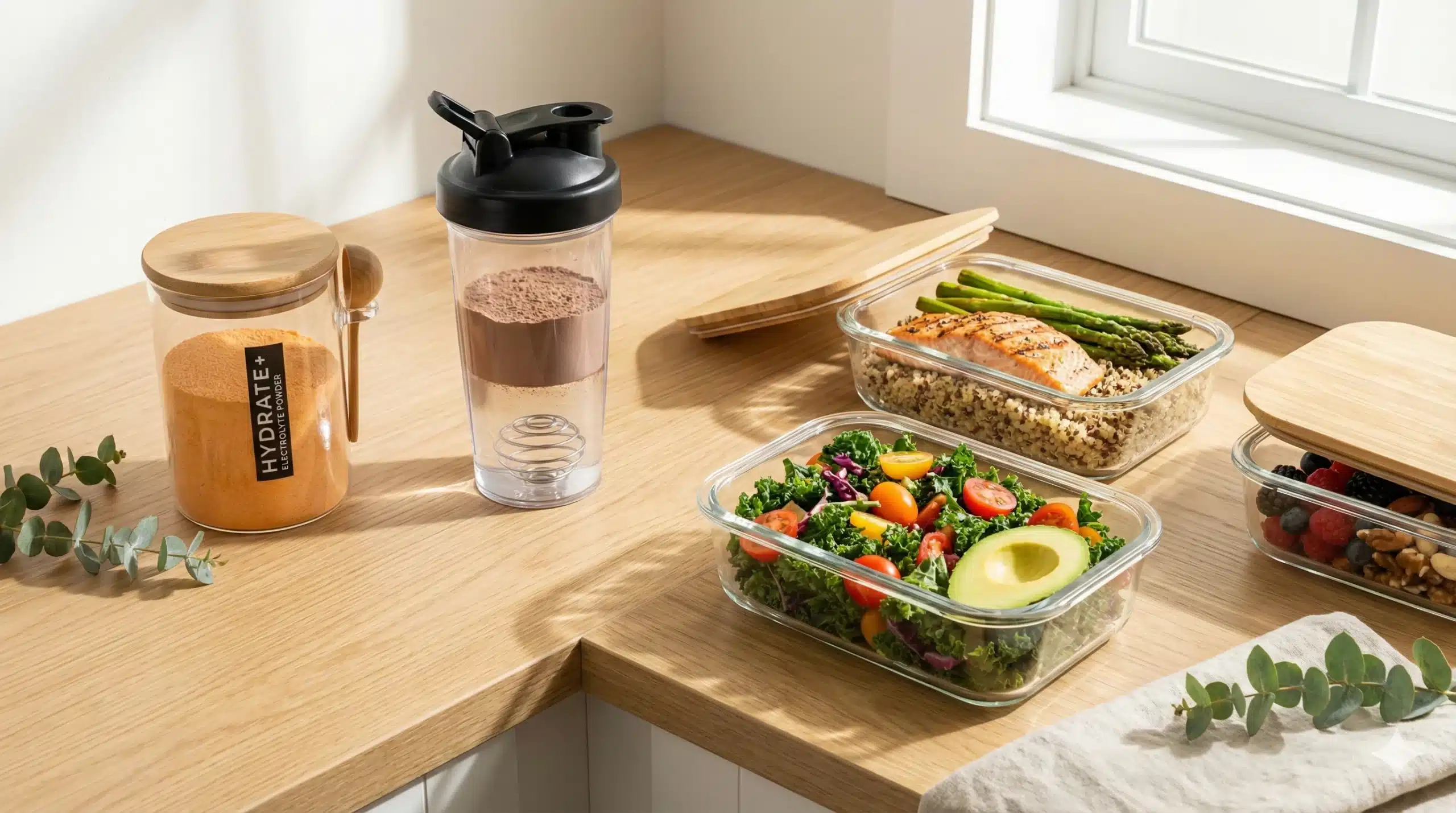
- High-Quality Electrolyte Powder (Zero Sugar): Why: The #1 reason people quit in Week 1 is the “Keto Flu” or fasting headaches. Tip: Look for brands with Magnesium and Potassium but 0 calories so you don’t break your fast.
- Casein Protein Powder: Why: Unlike Whey, Casein digests slowly. Taking a shake at the very end of your 8-hour window provides a slow release of amino acids while you sleep/fast. Tip: Essential for preventing muscle catabolism during the 16-hour gap.
- Large Volume Meal Prep Containers (Glass): Why: You will be eating larger meals than usual. Standard tupperware won’t fit your post-fast feast. Tip: Get glass containers to avoid plastic leaching when reheating massive meals.
⏱️ 16/8 Fasting Survival Kit
Essentials to handle the logistics: prevent headaches, protect muscle, and prep massive meals.
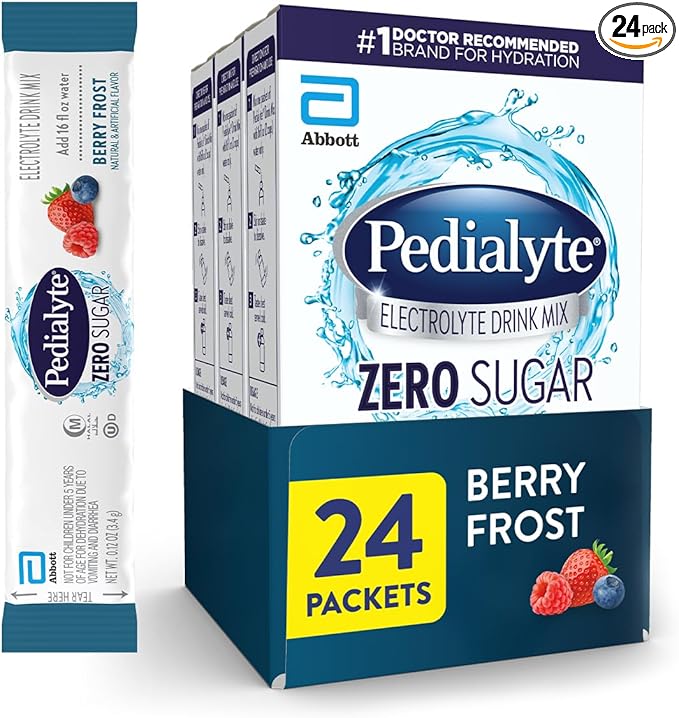
Zero Sugar Electrolytes
The #1 reason people quit is the "Keto Flu." Replenish sodium and magnesium without breaking your fast to stop dizziness instantly.
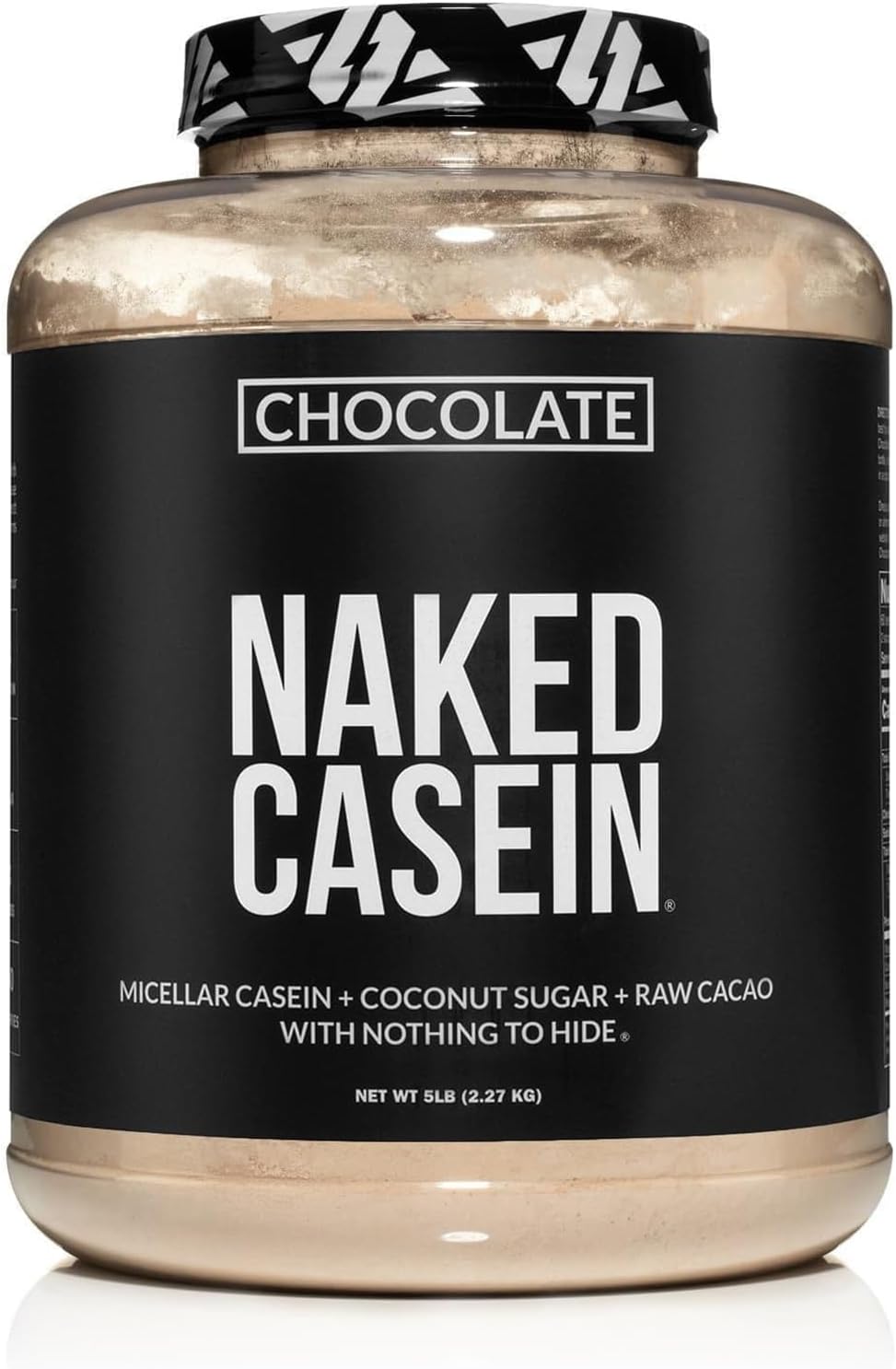
Micellar Casein Protein
Unlike Whey, Casein digests slowly. Drink this at the end of your window to trickle-feed amino acids to your muscles while you sleep/fast.
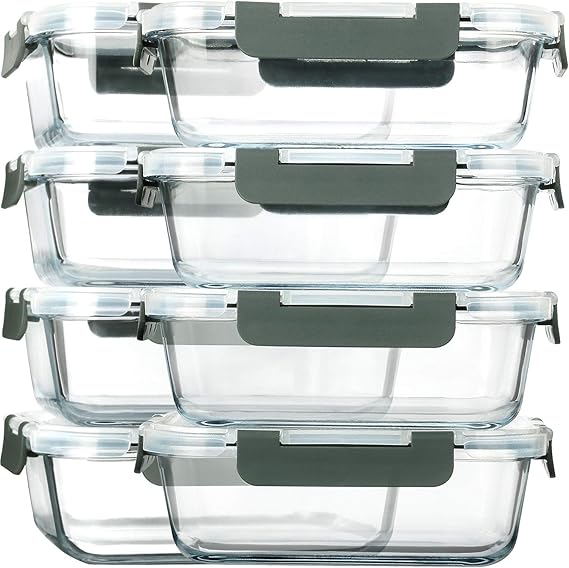
Glass Prep Containers
You can't fit a 1,500 calorie meal in a tiny plastic box. Large glass containers let you reheat massive post-fast feasts without plastic leaching.
*As an Amazon Associate I earn from qualifying purchases. Prices updated for 2026.
Frequently Asked Questions (FAQ)
Will I lose muscle doing 16/8 fasting?
No, not if you hit your daily protein goal and resistance train. The risk is logistical (not eating enough volume in time), not metabolic. If you hit your macros, your muscle is safe.
What can I drink during the 16-hour fast?
You can consume calorie-free beverages. Black coffee and green tea are excellent choices as they help suppress appetite and boost metabolic rate. Avoid milk, sugar, or BCAAs, as these can spike insulin and break the fast.
How do I manage 16/8 with rotating work shifts?
Try to keep the window as consistent as possible (the “Anchor” effect), or shift it by 1-2 hours gradually. The goal is to give your body a predictable “eating time” to help regulate sleep hormones, even if your work hours are chaotic.
Can I take supplements during the fasting window?
You can take non-caloric supplements like Creatine, Electrolytes, or Multivitamins. However, avoid gummy vitamins (sugar) or oil-based supplements like Omega-3s during the fast, as they contain calories. Take those during your eating window.
Conclusion: Is 16/8 For You?
Intermittent Fasting 16/8 results are excellent for “drying out” and defining your physique without sacrificing muscle—if you can handle the logistics.
If you can discipline yourself to eat your required protein in a short window and use the routine to anchor your sleep schedule during chaotic work shifts, the results after one month will be far superior to a standard diet. But if you can’t stomach large meals or your work requires constant glucose inputs for energy, you might struggle to adapt.
Ready to start? Pick your 8-hour window today, prep your first meal, and stick to the plan for 30 days.