How to Lose Belly Fat in 30 Days: The Science-Backed 2026 Guide (No B.S.)

You’ve seen the headlines: “Melt 10 pounds in a week” or “Get a six-pack with this 5-minute workout.” If you are searching for how to lose belly fat in 30 days, you probably already know that 99% of that is marketing noise.
The reality of 30-day challenges is often disappointing. I’ve analyzed the data, and here is the common pattern: Most people see a spectacular drop in weight during the first week—sometimes 2 to 3 kg. They get excited. But this is almost never visceral fat (the dangerous fat around your belly); it is just glycogen and water.
When that loss stalls in Week 3 because the body adapts, motivation crashes, and people quit.
This guide is different. We are not chasing water weight. We are targeting visceral fat using a protocol based on 2026 nutritional science, metabolic efficiency, and hormonal control.
The 30-Day Reality Check: Why Most “Challenges” Fail
Before we start the protocol, you need to understand the biology of the belly.
Visceral Fat vs. Subcutaneous Fat: Know Your Enemy
Not all fat is created equal.
-
Subcutaneous fat is the “pinchable” stuff under your skin. It’s annoying, but harmless.
-
Visceral fat, however, sits deep inside the abdomen, wrapping around your liver and pancreas. It is metabolically active tissue that releases inflammatory cytokines.
To lose this fat in 30 days, you don’t need a “detox tea”; you need to lower inflammation and manage insulin.
The “Water Weight Illusion”
Be prepared for the “Week 3 Wall.” In my experience tracking progress, the body flushes water rapidly in the first 7 days due to lower carbohydrate intake. Real fat loss is slower—about 0.5 to 1 kg per week of pure tissue.
Pro Tip: If the scale stops moving in Week 3, do not panic. It means your water levels have normalized, and now the real work of burning tissue is happening.

Phase 1: Nutrition – The Aggressive but Smart Deficit
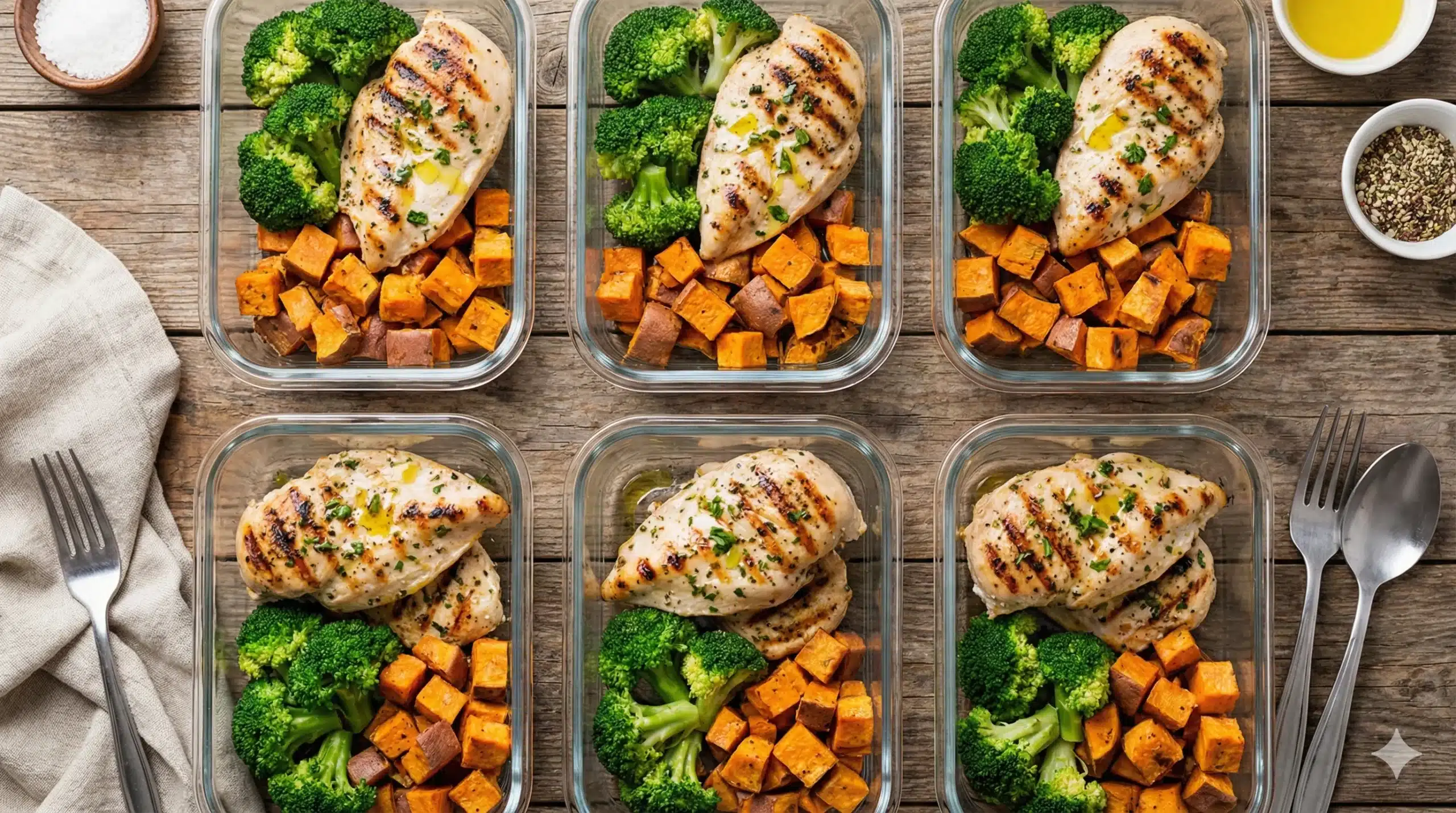
You cannot out-train a bad diet. For a 30-day sprint, we need a calorie deficit, but it must be precise to avoid crashing your metabolism.
Protein Priority: The TEF Factor
The biggest mistake I see is people starving themselves on salads. To burn belly fat, you need to eat more protein.
Current science suggests an intake of 1.8g to 2.2g of protein per kg of body weight. Why?
- It preserves lean muscle mass (which keeps your metabolic rate high).
- The Secret Weapon (TEF): Protein has the highest Thermic Effect of Food. Your body burns about 20-30% of the calories in protein just to digest it. It is literally metabolic currency.
Carb Cycling: Fuel, Don’t Store
Don’t go zero-carb (Keto) if you are training hard. Instead, use Carb Cycling.
-
Training Days: Concentrate complex carbs (oats, rice, sweet potato) around your workout window. This fuels performance and lowers cortisol.
-
Rest Days: Drop carbs lower and increase healthy fats to encourage the body to use stored fat for fuel.
Phase 2: Training – Stop Doing Crunches, Start Moving
If you are doing 500 crunches a day to lose your gut, stop immediately.
The Spot Reduction Myth
I cannot stress this enough: You cannot choose where you lose fat. Millions of searches ask “best exercise for belly fat,” but the scientific answer is clear: None. Your genetics decide if fat leaves your face or your stomach first.
We don’t train abs to burn belly fat; we train the whole body to create a caloric deficit that forces the body to tap into abdominal reserves.
The “Hybrid Model”: Heavy Lifting + Zone 2 Cardio
To maximize results in 30 days, we combine two non-negotiable elements:
- Strength Training (3-4x week): Compound movements (Squats, Deadlifts, Presses). Muscle tissue is “expensive” for the body to keep; building it burns calories 24/7.
- Zone 2 Cardio (45 mins): This is low-intensity cardio where you can maintain a conversation but feel slightly breathless. It optimizes fat oxidation (using fat as fuel) without spiking cortisol.
The Secret Weapon: NEAT vs. HIIT
High-Intensity Interval Training (HIIT) is popular, but it can spike appetite and stress. NEAT (Non-Exercise Activity Thermogenesis) is the game changer.
-
The Goal: 10,000 steps per day.
-
The Data: Walking 10k steps burns more total calories daily than a brutal 20-minute HIIT session, creates zero recovery fatigue, and lowers stress.

Comparison: The Old Way vs. The Science-Backed Way
| Variable | The “Old School” Failure | The Science-Backed Success (2026) |
| Primary Focus | Crunches & Ab workouts | Caloric Deficit & Heavy Lifting |
| Cardio | 20 mins HIIT (sprinting) | 10k Steps (NEAT) + Zone 2 Cardio |
| Diet Strategy | Starvation / Juice Cleanses | High Protein (2g/kg) + Carb Cycling |
| Fat Loss Type | Water & Muscle (Skinny fat) | Visceral Fat (Leaned out) |
| Hormones | High Cortisol (Stressed) | Controlled Insulin & Cortisol |
Phase 3: The Invisible Factor (Sleep & Stress)
This is where most 30-day protocols fail. You can eat perfectly and train hard, but if you sleep 5 hours a night, you will keep the belly.
Cortisol: The Belly Fat Hormone
I have frequently observed that people who “train too hard” without recovery often retain stubborn abdominal fat. This is Cortisol. When cortisol is chronically high, it specifically signals the body to store fat in the abdominal area as a survival mechanism.
Sleep = Insulin Sensitivity
If you sleep less than 7 hours, your insulin sensitivity drops. High insulin blocks lipolysis (fat burning). The Rule: Treat 7-8 hours of sleep as your primary fat-burning supplement. No excuses.
The 30-Day Protocol: Week-by-Week Breakdown
Here is your roadmap. Consistency beats intensity.
-
Week 1: The Flush
-
Focus: Reduce inflammation and shed water weight.
-
Diet: Strict whole foods, no alcohol, no processed sugar. High protein.
-
Training: 3 Full Body Strength sessions + 8k steps daily.
-
Expectation: Rapid weight drop (mostly water). You will feel lighter.
-
-
Week 2-3: The Grind (Adaptation)
-
Focus: Fat oxidation.
-
Diet: Introduce carb cycling. Carbs only before/after workouts.
-
Training: Increase steps to 10k daily. Add 2 sessions of Zone 2 cardio (30-45 mins).
-
Expectation: Weight loss slows down on the scale. Trust the process. This is where the visceral fat starts burning.
-
-
Week 4: The Sprint
-
Focus: Final push.
-
Diet: Slight caloric reduction (remove one fat source or carb portion).
-
Training: Maintain intensity, prioritize sleep to manage accumulated fatigue.
-
Expectation: Visible changes in waist circumference and clothing fit.
-
🛍️ Essential Gear for This Protocol (Buying Guide)
You don’t need magic pills, but you do need tools to track your data accurately. Here are the 3 essentials to survive these 30 days:
- A Digital Food Scale: Humans are terrible at estimating portions. “A handful of nuts” can be 200 calories or 600 calories. A $15 food scale eliminates the guesswork and ensures your deficit is real.
- Activity Tracker (Watch or Pedometer): You cannot manage what you don’t measure. To hit the 10k NEAT goal, you need a tracker. It doesn’t have to be an expensive Apple Watch; a simple pedometer works.
- High-Quality Protein Powder (Isolate): hitting 2g of protein per kg of body weight is hard with just chicken and eggs. A clean Whey Isolate helps you hit your macro goals without adding unnecessary carbs or fats.
📉 Belly Fat Loss Toolkit
The science-backed essentials. No magic pills, just tools to track the data that matters.
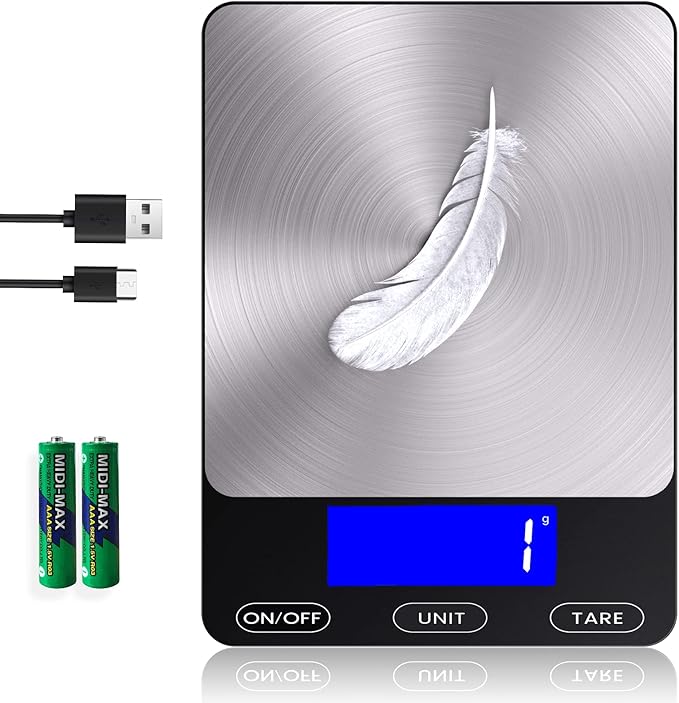
Digital Food Scale
Eyeballing portions is why diets fail. "A handful" of nuts can be 200 or 600 calories. A scale ensures your caloric deficit is real, not just a guess.
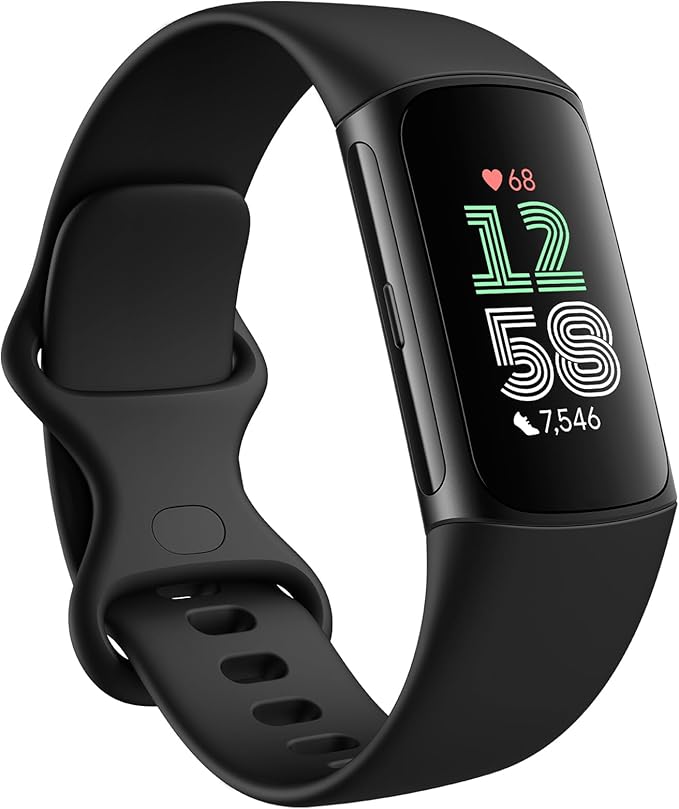
Activity Tracker
You cannot manage what you don't measure. To hit the 10k steps goal (NEAT), you need a tracker. It's the #1 metric for sustainable fat loss.
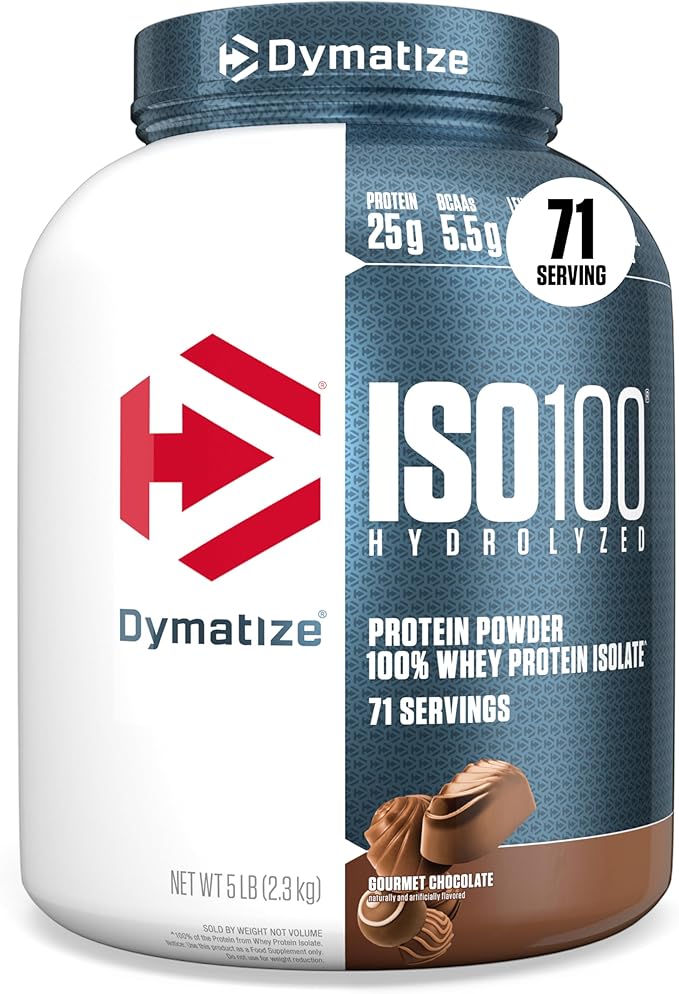
Whey Protein Isolate
Hitting 2g of protein/kg is hard with food alone. Isolate boosts your metabolism via the Thermic Effect (TEF) without adding extra carbs or fats.
*As an Amazon Associate I earn from qualifying purchases. Prices updated for 2026.
Frequently Asked Questions (Science Edition)
Can I drink alcohol during these 30 days?
If you want maximum results, no. Alcohol pauses fat burning (the liver prioritizes detoxifying acetate over burning fat) and destroys sleep quality, which raises cortisol, leading to more belly fat storage.
Why is my weight stuck in Week 3?
This is the “Whoosh Effect” holding pattern. Your fat cells empty of triglycerides but fill with water temporarily to maintain structural integrity. Keep your protein high and your deficit constant. The water will eventually drop, leading to a sudden weight decrease.
Do fat burners work?
Most are just overpriced caffeine pills. They might give you a 1-2% metabolic boost, but they are useless compared to hitting 10k steps and sleeping 8 hours. Save your money for high-quality food.
Can I do this protocol if I am a beginner?
Yes, but focus on form during strength training. You might not need as aggressive of a calorie deficit because “newbie gains” allow you to build muscle and burn fat simultaneously more easily than advanced lifters.
Conclusion: Beyond Day 30
Losing belly fat in 30 days is possible, but it requires a shift in mindset. It’s not about suffering; it’s about systemizing your biology.
By prioritizing protein, leveraging NEAT over exhausting cardio, and managing your stress hormones, you aren’t just losing weight—you are changing your body composition. Use these 30 days as a launchpad, not a finish line.
Ready to start? Put down the phone, go for a 10-minute walk, and plan your first high-protein meal.