
Magnesium Glycinate vs. Citrate: Which is Best for Sleep? (The Ultimate Comparison)

You are standing in the supplement aisle (or scrolling Amazon), staring at two bottles: Magnesium Glycinate and Magnesium Citrate.
But if your goal is strictly deep, uninterrupted sleep, picking the wrong one won’t just fail to help—it might actually keep you up all night running to the bathroom.
I’ve analyzed the science, tested the effects, and gathered user consensus to give you the definitive answer on Magnesium Glycinate vs. Citrate, so you don’t have to waste money on the wrong bottle.
The Short Answer: Which One Should You Buy?
🛑 STOP & READ:
If you want to sleep better, buy Magnesium Glycinate. It is known as the “Sleep King.” It is bound to glycine, an amino acid that calms the brain and lowers body temperature, signaling it’s time to rest.
It is gentle on the stomach.
If you are constipated, buy Magnesium Citrate. It is a “Bathroom Hero” but an osmotic laxative. While it absorbs well, it draws water into your intestines. If you take this before bed, you risk waking up with an urgent need to use the bathroom, disrupting the very sleep you are trying to improve.
Magnesium Citrate: The “False Friend” of Sleep
Magnesium Citrate is one of the most popular forms because it is cheap and widely available. However, for sleep purposes, it is often a trap.
The “30-Minute Warning” (Laxative Effect)
Citrate has a powerful osmotic effect, meaning it pulls water from your tissues into your intestines.
My experience confirms the consensus: The effects of Citrate are fast and physical. Within 30 to 60 minutes of taking a standard dose, you will likely feel intestinal movement.
If you are trying to fix insomnia, the last thing you want is a biological alarm clock waking you up at 3 AM. Waking up to go to the bathroom breaks your REM cycle, leaving you groggy the next day regardless of your magnesium levels.
When to Use Citrate Instead
Don’t throw it away. Citrate is excellent if:
-
You suffer from occasional constipation.
-
You need to “get things moving” in the morning.
⚠️ Taste Note: Citrate usually comes in powder form with a strong, acidic lemon flavor.
Warning: If you drink this at night, rinse your mouth. The acidity can be harsh on tooth enamel over time.

Magnesium Glycinate: The Gold Standard for Rest
Magnesium Glycinate (or Bisglycinate) is magnesium attached to two glycine molecules.
How It Actually Feels (Mental Calm vs. Physical Urge)
Unlike the physical urgency of Citrate, Glycinate offers a subtle shift in your state of mind.
-
User Consensus: You likely won’t feel a “knockout” punch. Instead, about 30–40 minutes after ingestion, you may notice a “mental calm” or a quieting of racing thoughts. It’s not a sedative; it’s a relaxant.
-
The Cumulative Effect: The real magic is consistent use. Users often report that while falling asleep is easier, the biggest benefit is staying asleep. You wake up feeling truly rested, with significantly less “brain fog” in the morning.
The Phenomenon of Vivid Dreams
This is a side effect rarely discussed on medical sites but frequently reported by users. Because Glycinate helps you reach deeper stages of REM sleep (where dreaming occurs), your dreams may become intense, vivid, or even lucid.
-
If you love dreaming: This is a bonus.
-
If you are prone to nightmares: Start with a lower dose, as the intensity can be surprising for some.
Powder vs. Capsules: The Taste Test
Bioavailability is high in both, but the experience is not.
- Powder: Pure Magnesium Glycinate often has a distinct “fishy” or rancid taste due to the glycine content. It is difficult to mask, even with juice.
- Capsules: This is the clear winner for Glycinate. Taking capsules eliminates the unpleasant flavor profile entirely, making your bedtime routine much more enjoyable.

Comparison Table: Glycinate vs. Citrate
Here is the breakdown at a glance for quick decision-making:
| Feature | Magnesium Glycinate | Magnesium Citrate |
| Best For | Sleep, Anxiety, Muscle Recovery | Constipation, Digestion |
| Sleep Quality | Excellent (Promotes REM & Deep Sleep) | Poor (Risk of waking up) |
| Digestive Impact | Very Gentle (“Gastro-friendly”) | Strong Laxative (Draws water) |
| Time to Effect | ~40 mins (Calming effect) | ~30-60 mins (Bowel movement) |
| Bioavailability | High (Absorbed in different gut section) | Good (But rapid excretion) |
| Taste Profile | Can be “fishy” (Best in capsules) | Sour/Acidic Lemon (Powder) |
| Dream Impact | Increases vividness/Lucid dreaming | Neutral |
🛒 3 Crucial Tips Before You Buy (Buying Guide)
Before you hit “Add to Cart,” check the label for these three things to ensure you are getting a high-quality supplement:
- Check for “Buffered” Magnesium: Some cheaper brands sell “Magnesium Glycinate” that is actually “buffered” with Magnesium Oxide (a cheap filler with poor absorption).
Look for “Fully Reacted” or “100% Chelated” on the label to ensure purity. - Third-Party Testing: Since the supplement industry is loosely regulated, always choose brands that display a GMP (Good Manufacturing Practice) seal or third-party lab testing (like NSF or USP) to guarantee no heavy metals or contaminants are present.
😴 Magnesium Sleep Essentials
Don't buy the wrong bottle. Glycinate for sleep, Citrate for digestion.
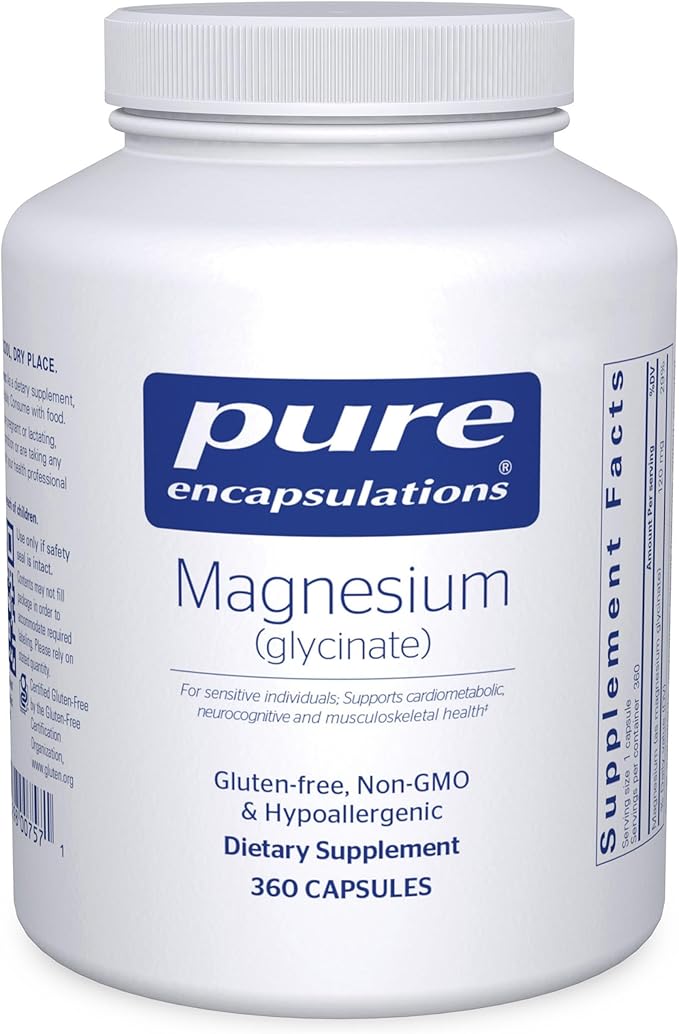
Magnesium Glycinate (Capsules)
Non-Laxative. The gold standard for rest. Highly stable and calm on the stomach. Promotes deep REM sleep without the 3 AM bathroom wake-up call.
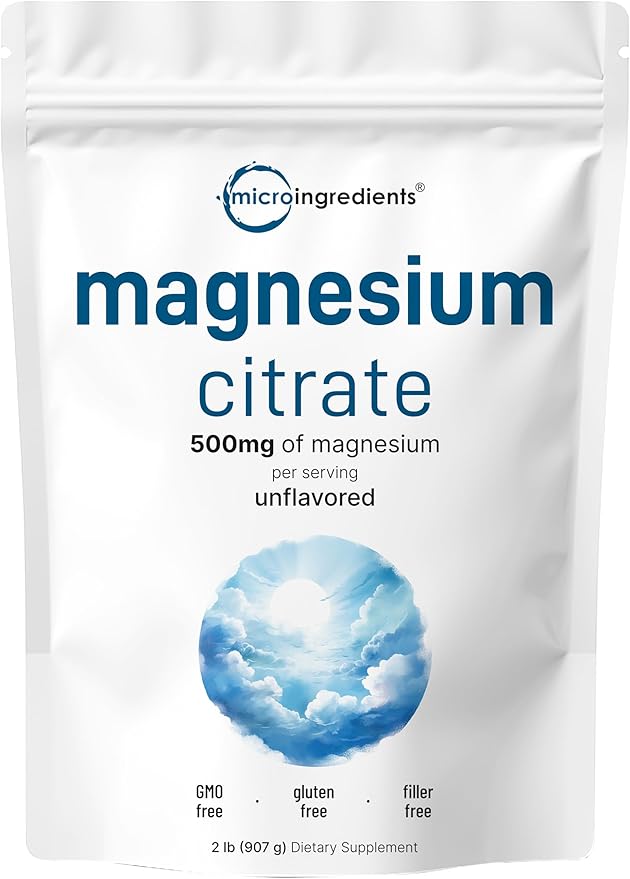
Magnesium Citrate (Powder)
Excellent for occasional constipation, but a "false friend" for sleep due to its laxative effect. Use in the morning to get things moving.
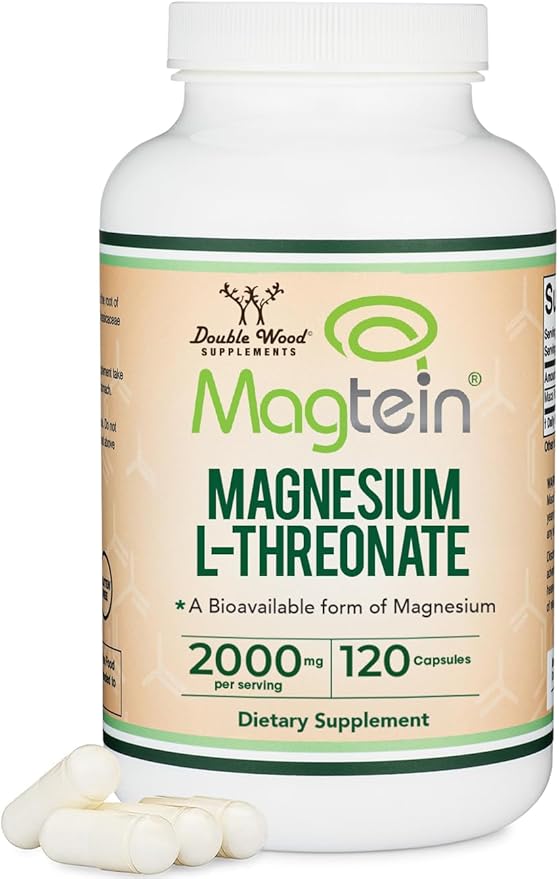
Magnesium + L-Theanine
The "Synergistic" choice. Combines Glycinate for body relaxation with L-Theanine to quiet racing thoughts. The ultimate pre-bed protocol.
*As an Amazon Associate I earn from qualifying purchases. Prices updated for 2026.
How to Take Magnesium for Best Results
Optimal Dosage
-
Glycinate: 200mg to 400mg is the standard therapeutic range for sleep.
-
Citrate: If you must use it, start low (150mg) to test your bowel tolerance.
Timing Protocols
To maximize the “mental calm” of Glycinate, take it one hour before bed. This gives the glycine time to lower your body temperature and calm the central nervous system before your head hits the pillow.
Synergistic Stacks
To supercharge your sleep stack, Glycinate pairs well with:
-
L-Theanine: For racing thoughts.
-
Apigenin: For staying asleep.
Note: Avoid taking it with Calcium or Zinc in high doses simultaneously, as they can compete for absorption.
Conclusion: The Final Verdict
The battle isn’t close. If you are looking for a natural sleep aid that won’t keep you tethered to the toilet, Magnesium Glycinate in capsule form is the superior choice.
It treats the root cause of sleep issues (nervous system arousal) without the side effects of laxatives. While Magnesium Citrate has its place in your medicine cabinet for digestive relief, it has no business being in your bedtime routine.
Frequently Asked Questions (FAQ)
Q: Can I take Magnesium Glycinate and Citrate together? A: You can, but it’s usually unnecessary. If you need both sleep support and constipation relief, take Citrate in the morning and Glycinate at night.
Q: Will Magnesium Glycinate make me groggy? A: Generally, no. Unlike melatonin, which is a hormone, magnesium supports natural relaxation. Most users report waking up feeling sharper, not heavier.
Q: How long does it take for Magnesium Glycinate to work for sleep? A: You may feel relaxation the first night (30-40 mins after dosing), but correcting a magnesium deficiency to fully restore sleep cycles typically takes consistent use over 1 to 2 weeks.
Q: Is Magnesium Glycinate safe to take every night? A: Yes, magnesium is an essential mineral that the body does not produce on its own.