Push Pull Legs Routine: The Ultimate “Asynchronous” Guide for Real Hypertrophy
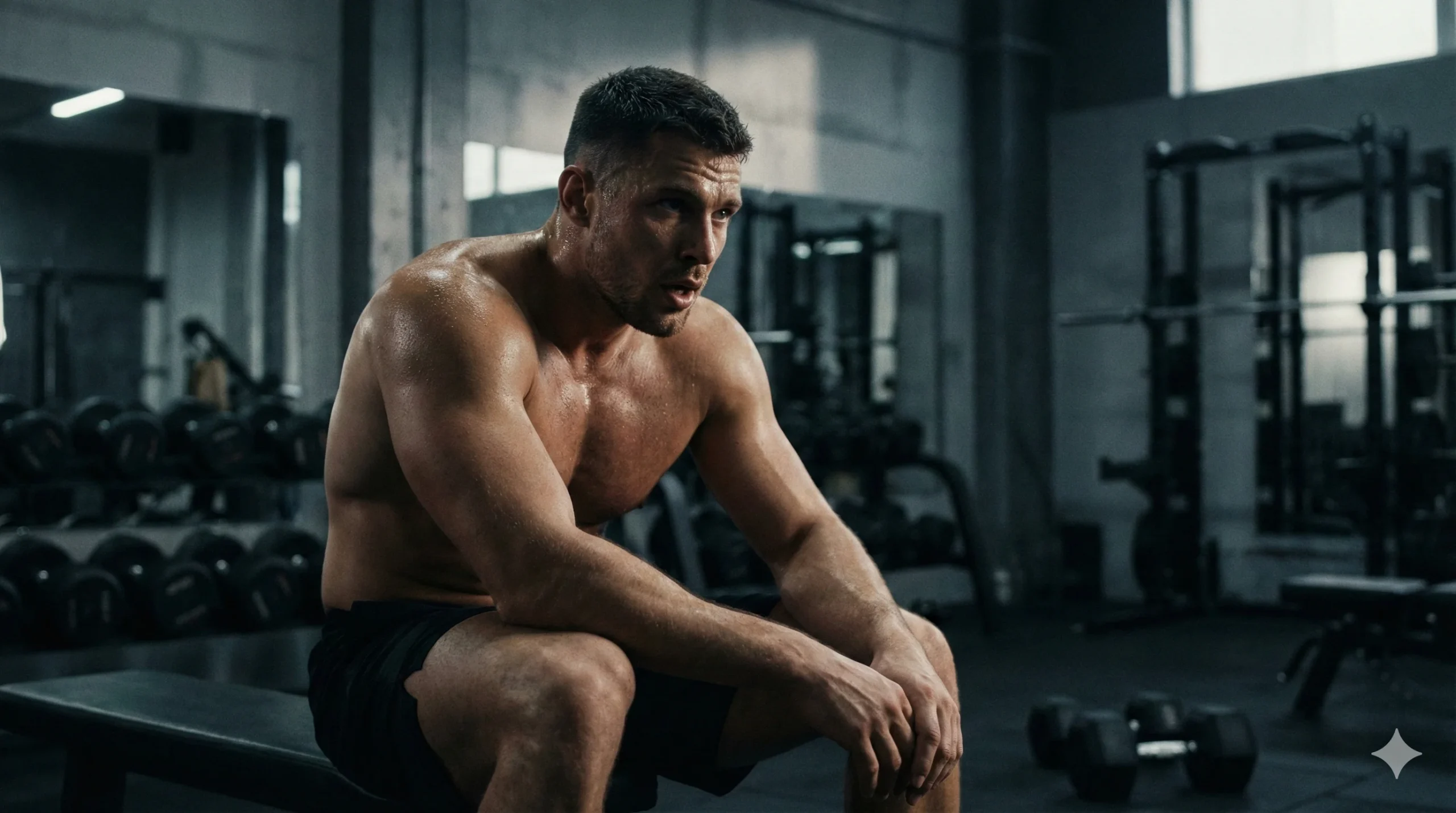
Everyone knows the Push Pull Legs (PPL) routine. It is arguably the most popular split in bodybuilding history. But if you Google it, you usually find two things: a basic 3-day split that lacks volume, or a brutal 6-day split that destroys your nervous system.
I’ve been down that road. I’ve tried the standard templates, and I’ve hit the walls that most “gurus” don’t talk about.
This isn’t just another list of exercises. This is an optimized, reality-based approach to the Push Pull Legs routine designed for natural lifters who want aesthetics and strength without living in the gym or frying their CNS (Central Nervous System).
The “Frequency Trap”: Why 6 Days is a Lie
Here is where most people fail. The classic PPL is often sold as a strict 6-day routine: Push, Pull, Legs, Push, Pull, Legs, Rest.
In my experience, doing PPL 6 days a week is brutal and, honestly, unsustainable for a natural lifter with a real job and life stress. Sure, the first week feels great. By the third week? Your CNS is fried, your joints ache, and your lifts start to regress.
The Solution: Asynchronous Frequency
Instead of obsessing over fixed days (e.g., “Monday is Chest Day”), the best results come from a rotating schedule. This allows you to train every muscle group every 4-5 days—the “sweet spot” between frequency and recovery.
The Rotation Schedule:
-
Day 1: Push
-
Day 2: Pull
-
Day 3: Legs
-
Day 4: Rest
-
Day 5: Push
-
Day 6: Pull
-
Day 7: Legs
-
Day 8: Rest
-
Repeat…
This ensures you never train fatigued just because the calendar says you have to.
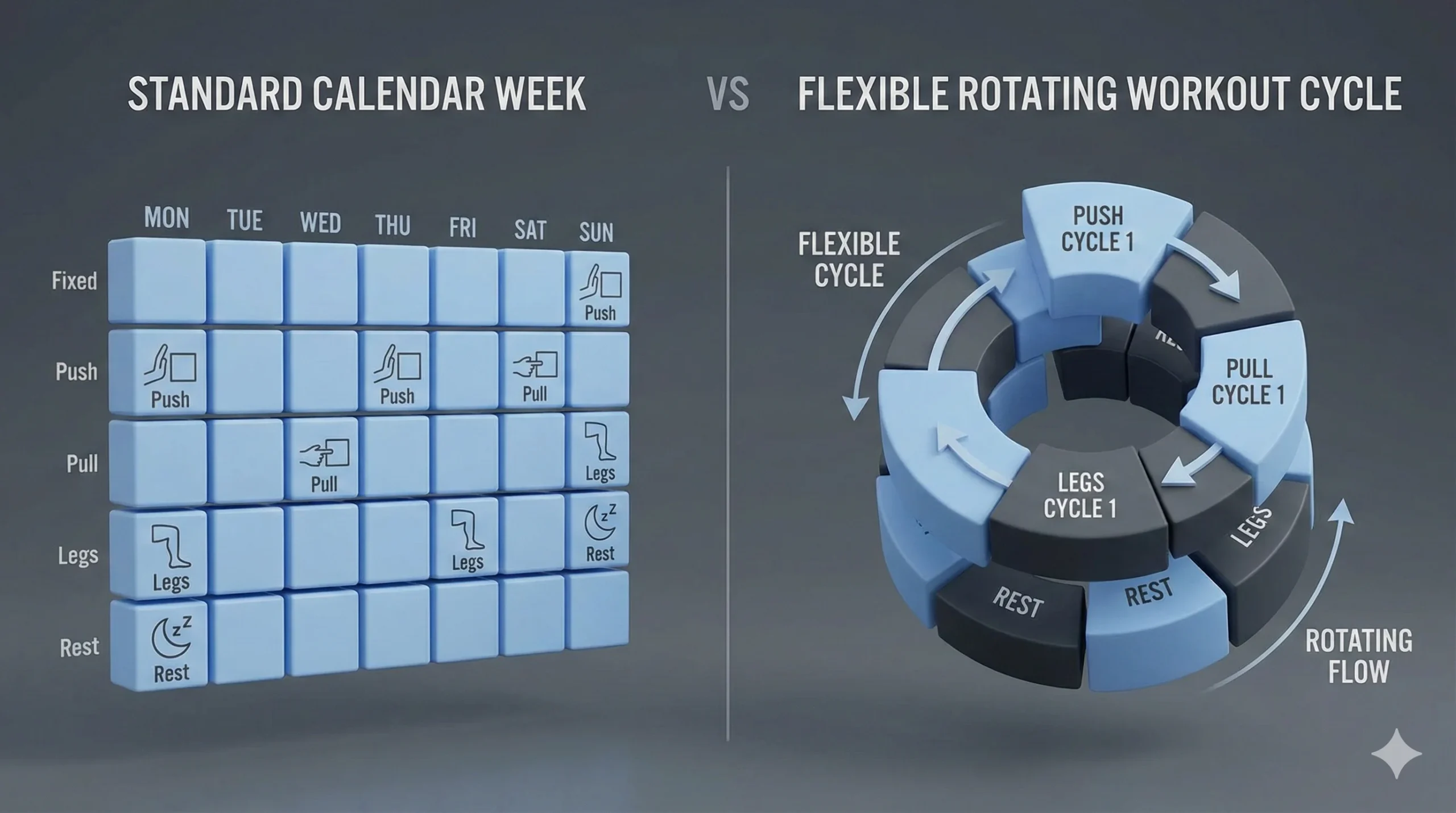
📊 COMPARISON TABLE: FINDING YOUR SPLIT
| Feature | Classic 3-Day (M-W-F) | Classic 6-Day (PPLx2) | Asynchronous (Rotating) |
| Frequency per Muscle | 1x / Week | 2x / Week | ~1.5x – 2x / Week |
| Recovery Quality | High | Low (Risk of Burnout) | Optimal |
| Session Intensity | High | Moderate (Pacing required) | High |
| Sustainability | Very High | Low (Hard to maintain) | High |
| Best For… | Beginners / Busy People | Genetic Elites / Enhanced | Intermediate / Advanced Naturals |
The Optimized PPL Workout Plan
We aren’t just throwing weights around. We are using biomechanics to create an aesthetic physique. Here are the modifications that turn a “good” routine into an “excellent” one.
Day A: PUSH (Chest, Shoulders, Triceps)
The Aesthetic Adjustment: Most guides tell you to start with the Flat Bench Press. I disagree. If you want that “full,” 3D look, the Upper Chest and Front Delts are king. The flat bench often over-develops the lower pecs while leaving the upper clavicular head lagging.
- Overhead Press (Military) OR Incline Dumbbell Press: 3 sets x 6-10 reps. Why: Prioritize the upper shelf first when you have the most energy.
- Flat Bench Press (Barbell or Dumbbell): 3 sets x 8-12 reps.
- Lateral Raises (Cable or DB): 4 sets x 12-15 reps.
Focus: Control the eccentric. This gives you the width. - Tricep Overhead Extension: 3 sets x 10-15 reps.
- Tricep Pushdowns: 3 sets x 12-15 reps.
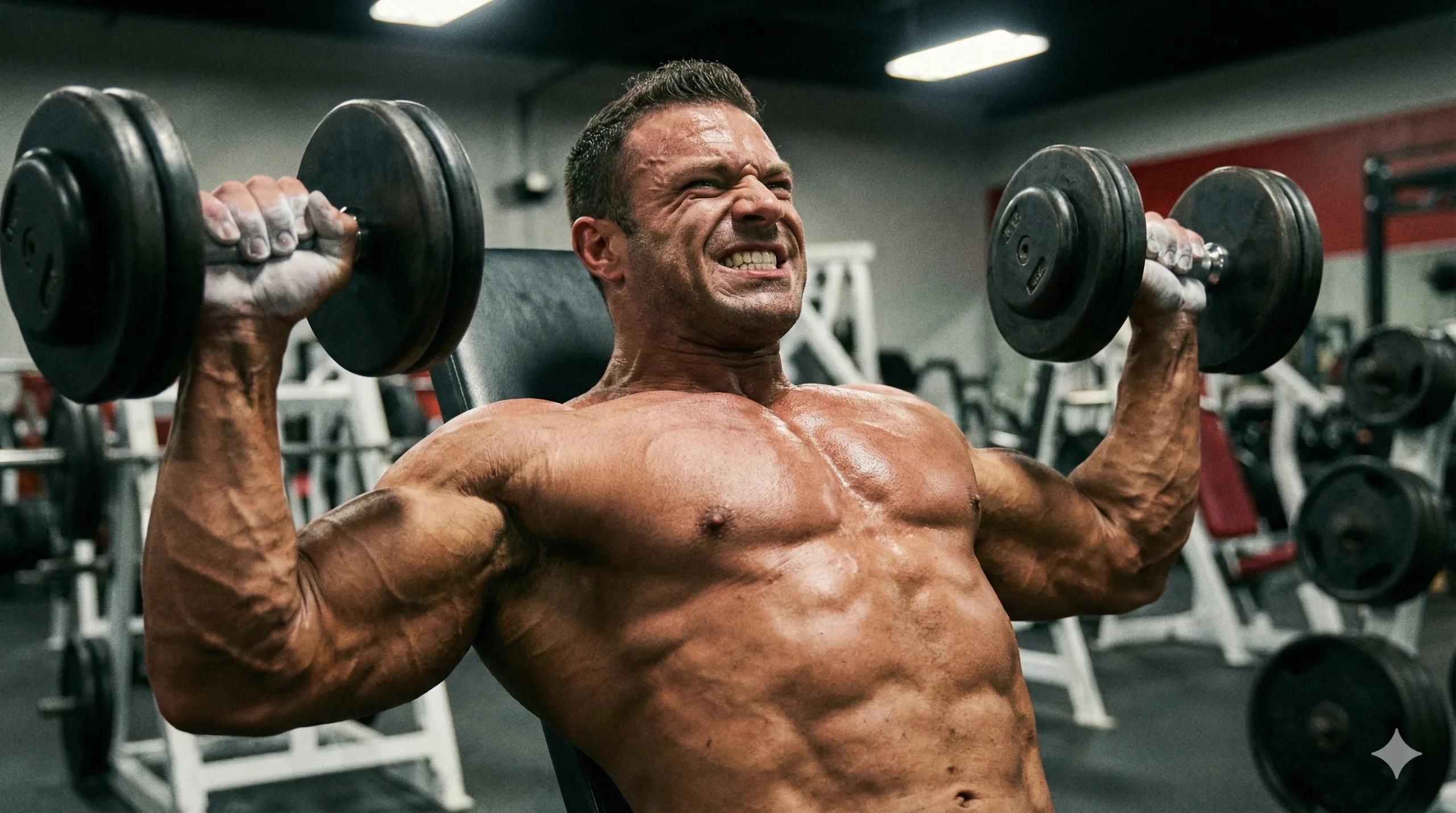
Day B: PULL (Back, Rear Delts, Biceps)
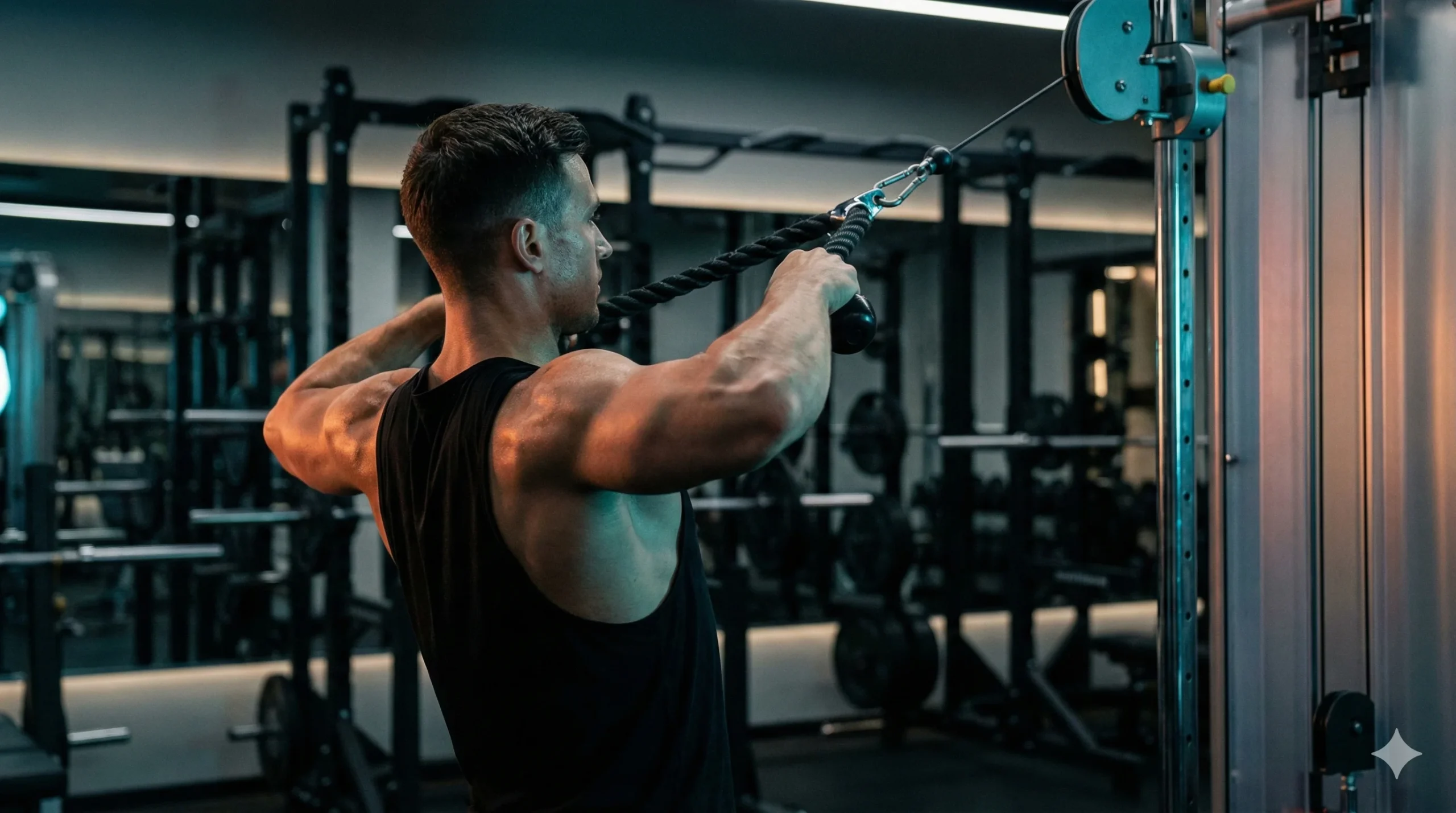
Posture & Shoulder Health: The “Pull” day has a secret weapon for longevity: Face Pulls. The massive amount of pressing we do rotates the shoulders forward. To prevent that “slumped” look and shoulder pain, Face Pulls are non-negotiable.
- Vertical Pull (Pull-ups or Lat Pulldowns): 3 sets x 8-12 reps.
- Chest-Supported Row (T-Bar or Machine): 3 sets x 8-12 reps.
Note: Using chest support saves your lower back for Leg Day - Cable Row (Neutral Grip): 3 sets x 10-12 reps.
- Face Pulls: 4 sets x 15-20 reps.
The Rule: Do these every Pull workout. Think of them as medicine for your shoulders. - Bicep Hammer Curls: 3 sets x 10-12 reps.
- Incline Dumbbell Curls: 3 sets x 12-15 reps.
Day C: LEGS (Quads, Hamstrings, Glutes)
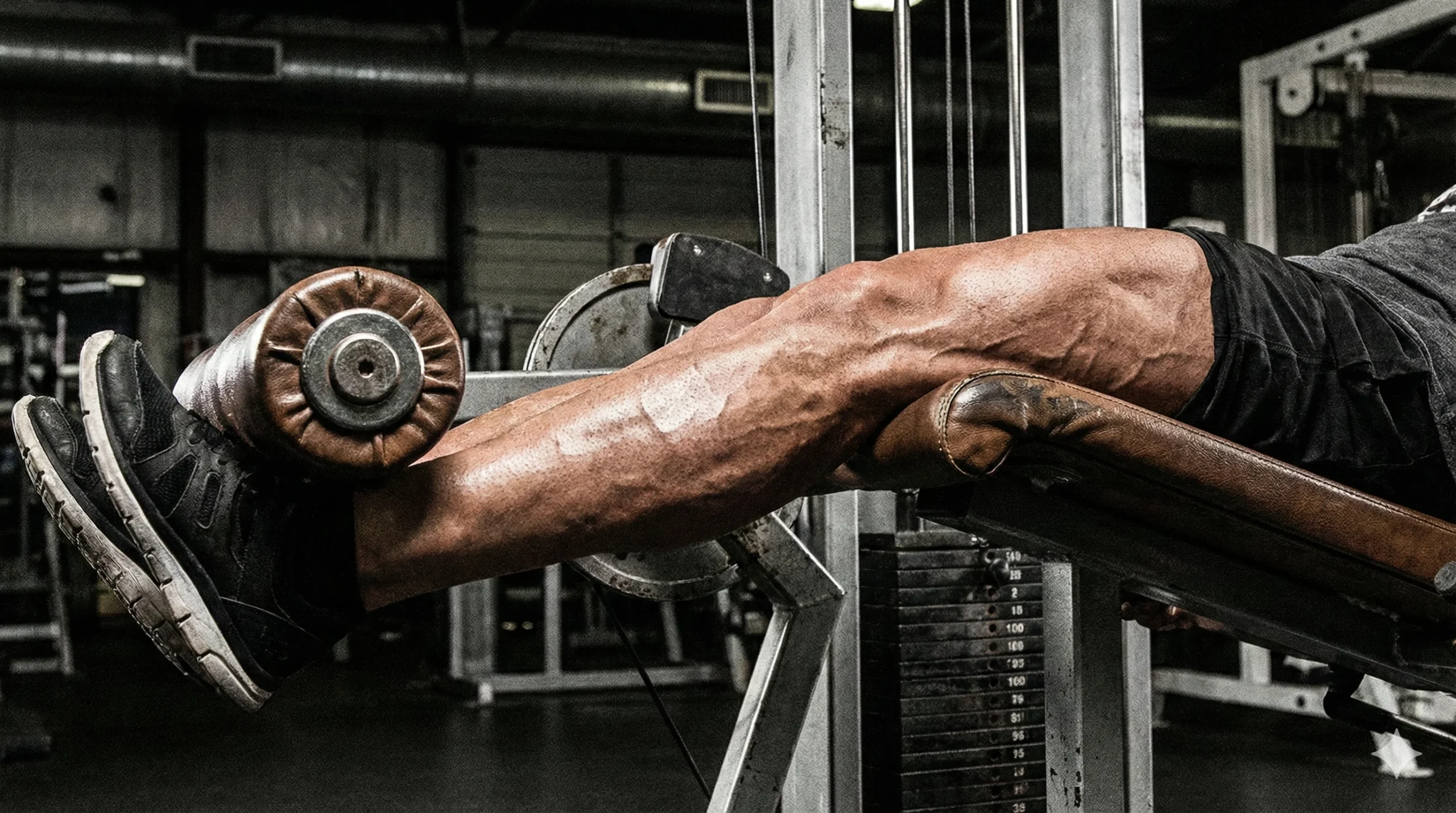
The Biomechanical Hack: Nobody skips squats, but everyone skips hamstrings if they leave them for last. Here is a “Pro Tip” that changed my leg training: Start with Hamstrings.
Doing a curl variation first accomplishes two things: it lubricates the knee joint (warming it up for heavy pressing) and it pre-fatigues the hamstrings, which often allows you to feel your quads more during the squat.
- Lying or Seated Leg Curl: 3 sets x 10-15 reps. The Hack: Do not treat this as a warm-up. Train it hard.
- Barbell Squat (or Hack Squat): 3 sets x 6-10 reps.
- Romanian Deadlift (RDL) or Leg Press: 3 sets x 8-12 reps.
- Bulgarian Split Squats (Optional/Finisher): 2 sets x 10-12 reps per leg.
- Calf Raises: 4 sets x 15-20 reps.
Solving the Recovery Bottleneck: The Lower Back
The biggest technical flaw in the standard Push Pull Legs routine is the lower back (lumbar spine).
If you do Heavy Conventional Deadlifts on “Pull Day” and Heavy Squats on “Leg Day,” and those days fall next to each other, your lower back never recovers. That is a recipe for injury.
My Solution: Move the heavy hip-hinge movement to Leg Day. Treat the Deadlift (or RDL) as a posterior chain leg exercise. On Pull Day, stick to movements where your chest is supported or the load is vertical. This simple switch will save your spine and let you lift heavier on both days.
🛒 GEAR ESSENTIALS FOR PPL (Buying Guide)
Before diving into this high-frequency split, consider these 3 critical investments to maximize your performance and safety:
- Lifting Straps (Versa Gripps or Cotton): Why: On “Pull” day, your back is often stronger than your grip. Don’t let your forearms be the limiting factor on heavy rows or RDLs. Straps allow you to target the muscle, not just hold the bar.
- Weightlifting Belt (Leather, 10mm/13mm): Why: Vital for intra-abdominal pressure during Heavy Squats and Overhead Presses. It protects your lower back, which takes a beating in any PPL split.
- Micro-Plates (Fractional Plates): Why: Progressive overload is key. Adding 5lbs (2.5kg) every week becomes impossible quickly. Micro-plates allow you to add 1-2lbs per session, keeping the progress linear for months longer.
🏋️♂️ PPL Performance Essentials
Don't let your gear limit your gains. The 3 tools you need to survive high-frequency training.
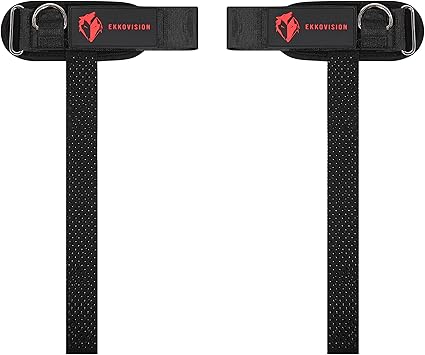
Lifting Straps
Your back is stronger than your grip. Don't let your forearms fail before your lats on heavy Rows or RDLs. Straps let you isolate the target muscle completely.
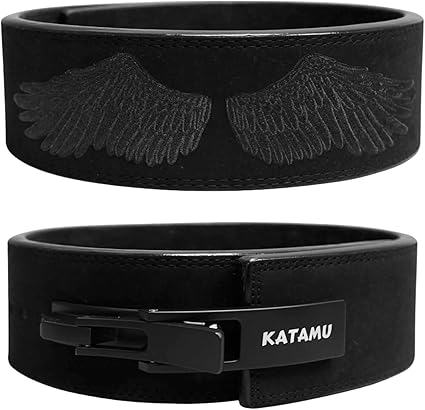
Leather Lifting Belt
Vital for intra-abdominal pressure during Squats and OHP. It protects your lower back, which takes a massive beating in any PPL frequency split.
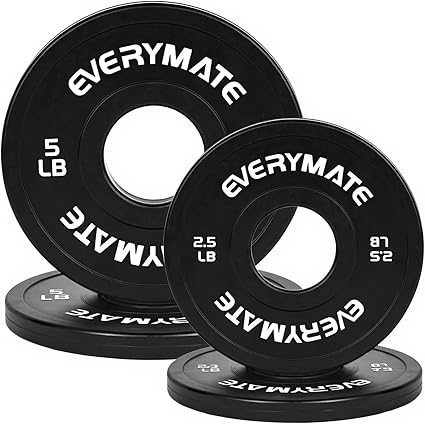
Fractional Plates
Adding 5lbs every week is impossible. These allow micro-jumps (1-2lbs), keeping your linear progress alive for months longer without stalling.
*As an Amazon Associate I earn from qualifying purchases. Prices updated for 2026.
❓ FREQUENTLY ASKED QUESTIONS (FAQs)
Can beginners use this Asynchronous Push Pull Legs Routine? While beginners can use it, they often benefit more from a Full Body routine 3 times a week. However, if you are a beginner committed to training 4-5 days a week, this asynchronous model is far safer than the 6-day split because it enforces recovery days.
Where do I put Ab training in a PPL Split? Treat abs like any other muscle group. I recommend adding them at the end of your Leg Day (since you are already doing heavy bracing) or Pull Day. Avoid doing heavy abs before Leg Day to ensure your core is fresh for Squats.
How long should each workout session last? If you are resting adequately between sets (2-3 minutes for compounds), these workouts should take approximately 60 to 75 minutes. If it takes longer than 90 minutes, you are likely doing too much “junk volume” or looking at your phone too much.
What if I miss a scheduled workout day? That is the beauty of the asynchronous schedule—it doesn’t matter! If you miss “Day 5 (Push)”, you simply do it the next day you go to the gym. The cycle continues exactly where you left off. You are not bound by Monday through Sunday.
Verdict: Is PPL Right For You?
Let’s be realistic about frequency.
-
If you can only train 3 days a week: Do NOT do PPL. You will hit each muscle only once a week. You are better off with a Full Body routine.
-
If you can train 4-5 days a week: This Asynchronous PPL is the gold standard. It offers the perfect balance of volume, intensity, and recovery.
It’s not about training more; it’s about training smarter. Adopt this rotation, respect the rest days, and watch your physique transform without the burnout.
Are you ready to switch to Asynchronous? Let me know in the comments below!