Walking for Weight Loss: How Many Steps Do You Actually Need to See Results?
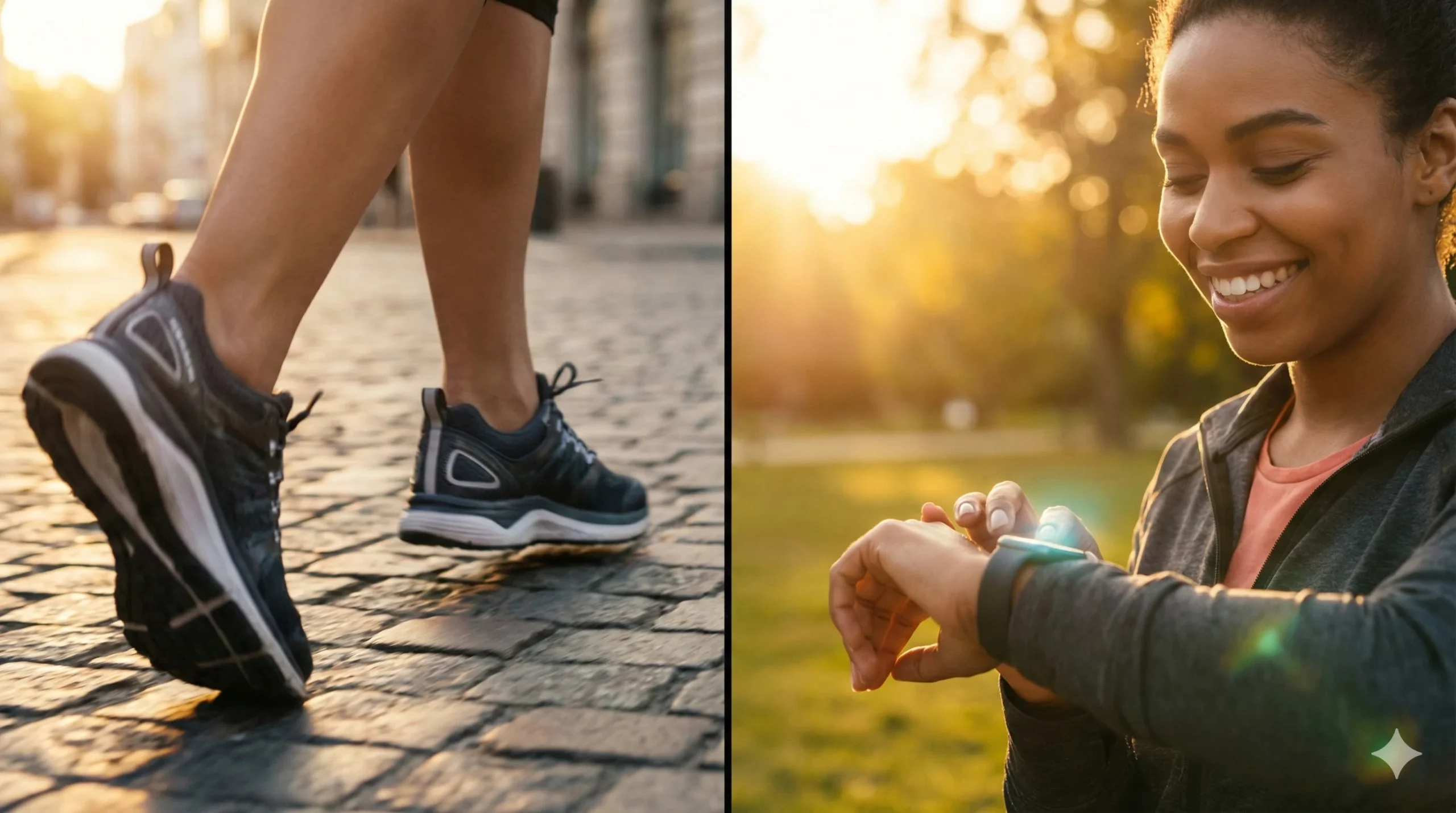
You’ve seen the headlines: “Walk 10,000 steps a day.” It’s the standard advice from every doctor, Fitbit, and health blog out there. But if you have actually tried to hit that number every single day, you know the dirty truth they don’t tell you: It takes forever.
Walking 10,000 steps takes about 90 to 100 minutes. For most of us with jobs and families, finding an hour and a half to just “stroll” is a logistical nightmare.
So, is it worth it? Can you lose weight with less? Or is there a smarter way to do it?
The short answer is yes, walking for weight loss is arguably the best fat-loss tool available—if you stop treating it like cardio and start treating it like science. Here is the real breakdown of how many steps you need, why the scale is lying to you, and the “lazy” hack to get double the results in half the time.
The Truth About Walking for Weight Loss: 10,000 Myth or Science?
The number 10,000 wasn’t originally born in a lab; it was a marketing slogan for a Japanese pedometer in the 1960s. However, modern science has actually caught up to marketing, but with a twist.
Understanding NEAT: Your Hidden Fat-Burning Engine
You don’t need a “magic number.” You need NEAT (Non-Exercise Activity Thermogenesis). This is all the calories you burn doing things that aren’t “exercise”—walking to the car, pacing while on the phone, or carrying groceries.
When you go to the gym for an hour but sit for the other 15, your metabolism stalls. Walking keeps that engine humming all day. The goal isn’t just “steps”; it’s keeping your daily energy expenditure high without stressing your body.
Why 8,000 – 10,000 is the “Sweet Spot”
From my experience and tracking, the sweet spot for weight loss lands between 8,000 and 10,000 steps. Here is why:
-
Under 6,000 steps: You are likely still in the “sedentary” range physiologically.
-
Over 15,000 steps: Unless you have unlimited time, you start hitting a point of diminishing returns. If you also lift weights, excessive volume can actually interfere with leg recovery.
-
The 10k Gold Standard: This burns roughly 300–400 extra active calories daily.
The magic lies in the hormonal impact: unlike High-Intensity Interval Training (HIIT) or long-distance running, walking does not trigger voracious hunger. You burn the fat, but you don’t raid the fridge afterwards because your body isn’t screaming for quick energy.
The “Dirty Hack” for Productive Lazy People: Burn Double in Half the Time
Let’s be honest: The hardest part of walking isn’t the physical effort; it’s the boredom and the time. Walking for 100 minutes every day can feel like a part-time job.
If you are a “productive lazy” person like me who hates wasting time, here is the trump card: The False Incline Protocol (or Rucking).
Incline and Light Rucking: Sculpt Without Running
Instead of walking for an hour on flat ground, you can walk for 30 minutes with intensity variables. This changes the game completely.
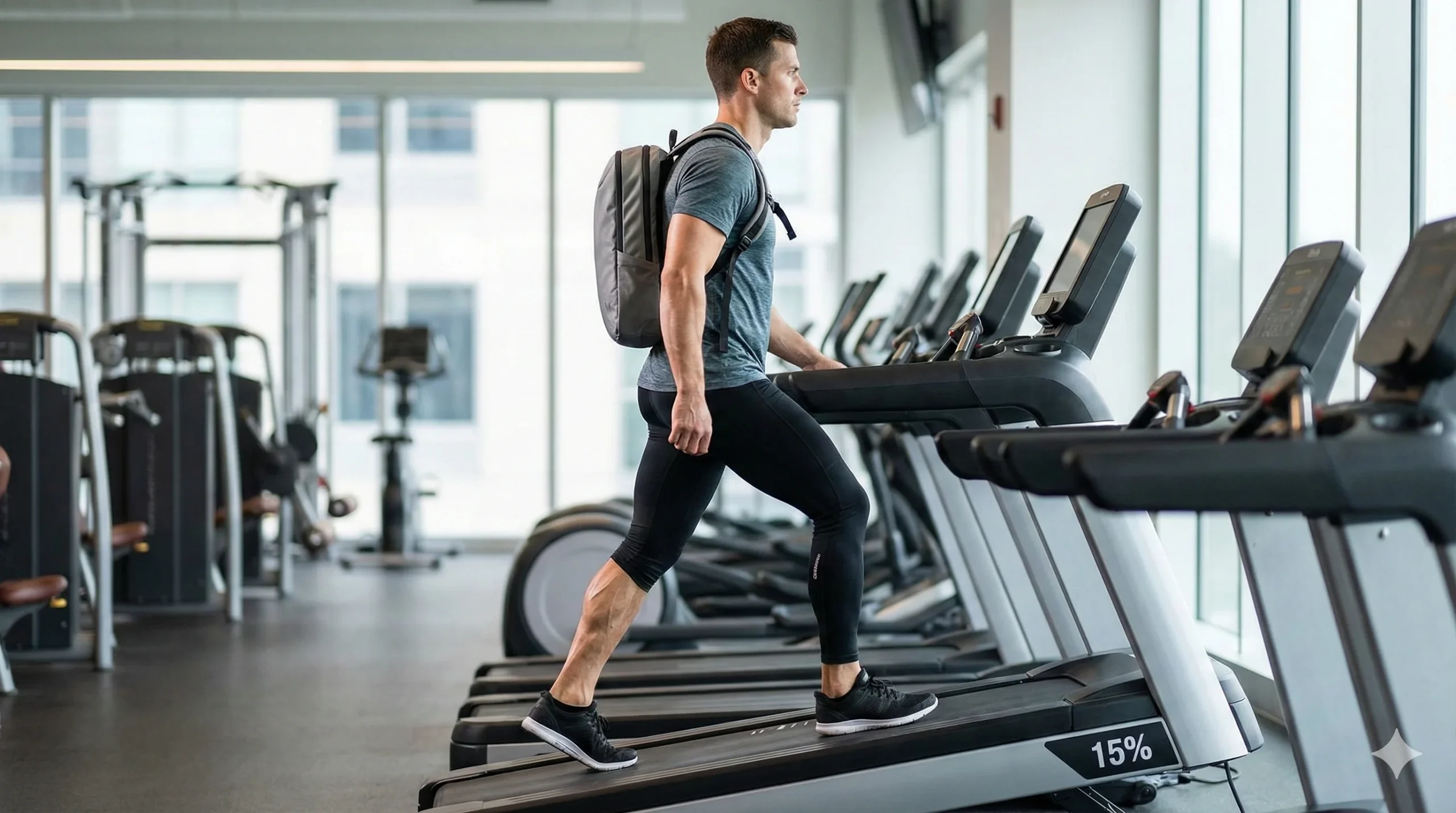
- The Ruck: Put on a backpack with 10–20 lbs (5-10 kg) of weight (laptop, books, or water bottles).
- The Incline: Set the treadmill to a steep incline (12-15%) and walk at a slow pace (3-4 km/h).
Why this works: You drastically increase the caloric demand—burning almost double the calories per minute—without the impact of running. Plus, there is an aesthetic bonus: while flat walking maintains legs, incline walking and rucking actively sculpt your calves and glutes. It is efficiency pure.
💡 Editor’s Note: New to Rucking? Don’t overdo the weight on day one. Start with 5-10 lbs to let your traps and lower back adjust.
Visual Comparison: The Efficiency Breakdown
Here is how the “Smart Walk” compares to traditional methods.
| Method | Time Required | Calorie Burn (Est.) | Hunger/Stress Impact | Verdict |
|---|---|---|---|---|
| Standard Walking (10k Steps) | 90 - 100 mins | 300 - 400 kcal | Low (Cortisol Friendly) | Great, but time-consuming. |
| Running / HIIT | 30 - 45 mins | 400 - 600 kcal | High (Spikes Hunger) | Fast, but harder to stick to. |
| "The Hack" (Incline/Rucking) | 30 - 45 mins | 400 - 550 kcal | Low / Moderate | Best of both worlds. High efficiency. |
How Long Does It Take? Real Expectations vs. The Scale
If you start walking 10,000 steps tomorrow, do not expect the scale to plummet in week one. In fact, you might be disappointed numerically, even if you look better visually.
The Cortisol Effect
High-intensity exercise spikes cortisol (the stress hormone), which can lead to water retention. Walking does the opposite—it lowers cortisol, helping you flush out inflammation and excess fluids.
However, fat loss is a slow burn. With a solid calorie deficit, you are looking at losing about 1 lb (0.5 kg) of pure fat per week. It sounds slow, but unlike crash diets, this weight stays off.
The Mirror Test vs. The Scale
Here is a reality check: The scale is a liar.
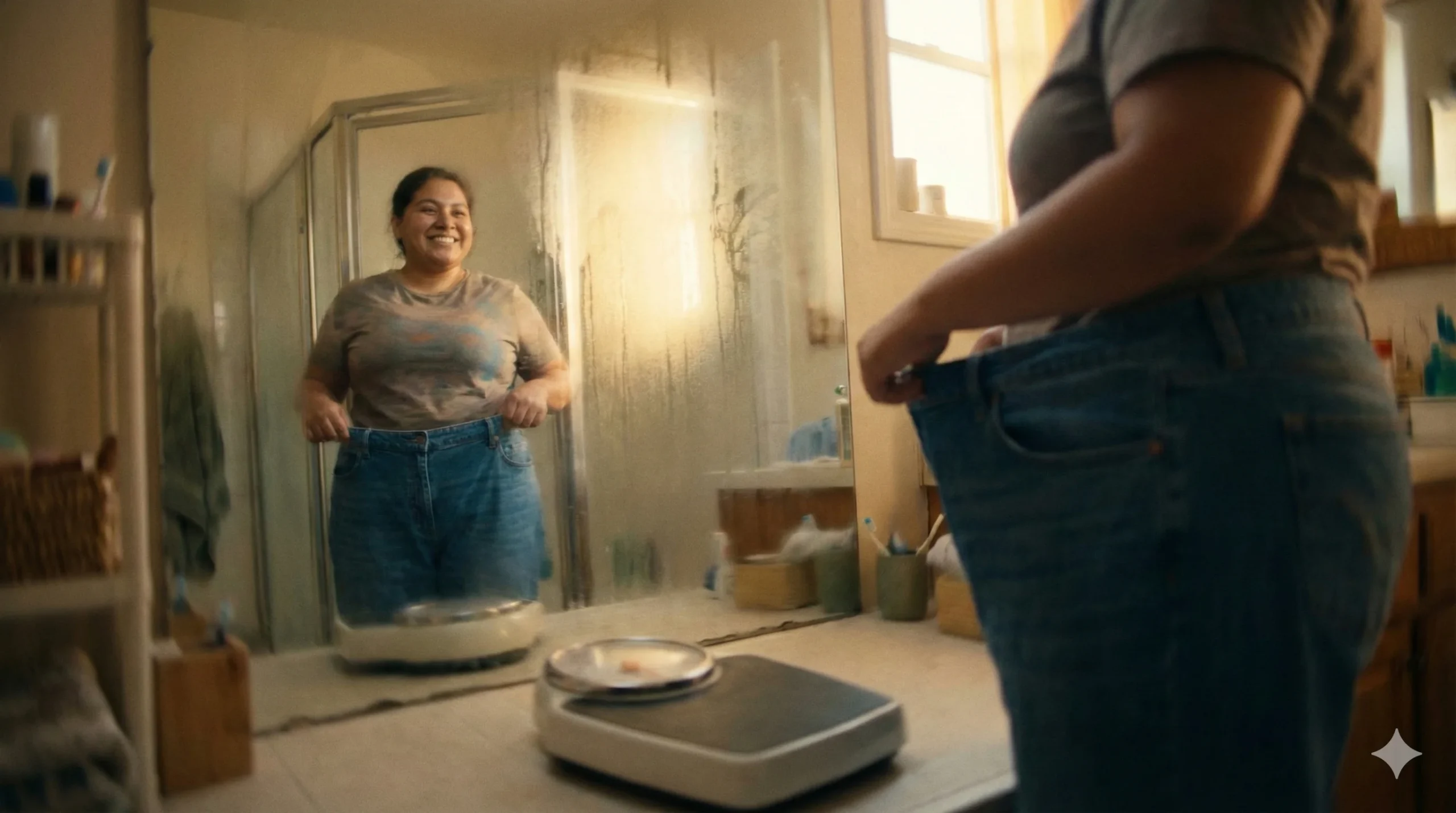
Because walking preserves muscle mass (unlike marathon running which can sometimes be catabolic), your weight might stay stable while your waist shrinks. In my experience, the magic usually happens around the 4-week mark. That is when clothes start feeling looser around the midsection, even if the number on the scale hasn’t moved as much as you hoped.
The 90-Minute Problem: Beating The Mental Battle
The biggest enemy of walking isn’t your legs; it’s your brain. The thought “I could be doing something more productive” kills more fitness routines than injury.
To survive the 90-minute grind of 10,000 steps, you need to “stack” habits:
-
Calls & Meetings: Take all phone calls walking.
-
Audiobooks/Podcasts: Save your favorite episode only for the walk.
-
Split it up: Three 20-minute walks are often metabolically better than one long slog because you keep your blood sugar regulated throughout the day.
🛍️ Mini Buying Guide: Gear to Maximize Your Walk
You don’t need much to start walking, but if you want to apply the “Rucking Hack” or protect your joints, consider these 3 key investments:
- Proper Footwear (Stability Focus): Don’t just use old Vans. Look for running shoes with a wide toe box (like Altra or Hoka) to allow your foot to splay naturally during long walks, reducing blister risk.
- A Comfortable Daypack (For Rucking): You don’t need a tactical military ruck yet. A sturdy backpack with padded shoulder straps and a chest strap is vital to distribute the 10-20 lbs of weight evenly and save your lower back.
- Fitness Tracker (The Reality Check):
Our brains are terrible at estimating activity. A simple tracker (Fitbit, Garmin, or Apple Watch) acts as an accountability partner. If you can’t measure it, you can’t manage it.
🚶♂️ Fat Loss Walking Kit
Maximize NEAT and use the "Rucking Hack" to burn double the calories.
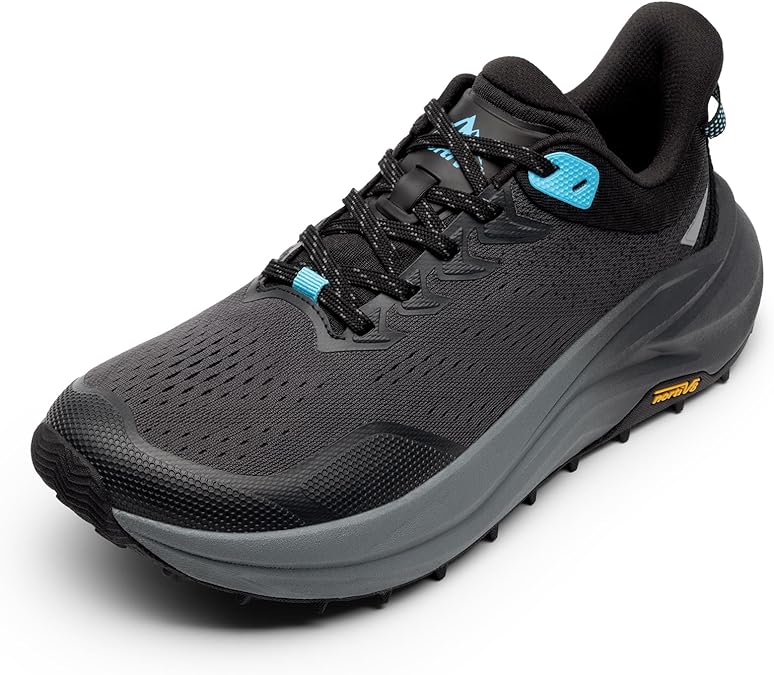
Wide Toe Box Shoes (Altra)
Standard shoes compress your toes. To walk 10k steps pain-free, you need a wide toe box that allows natural splay and balance.
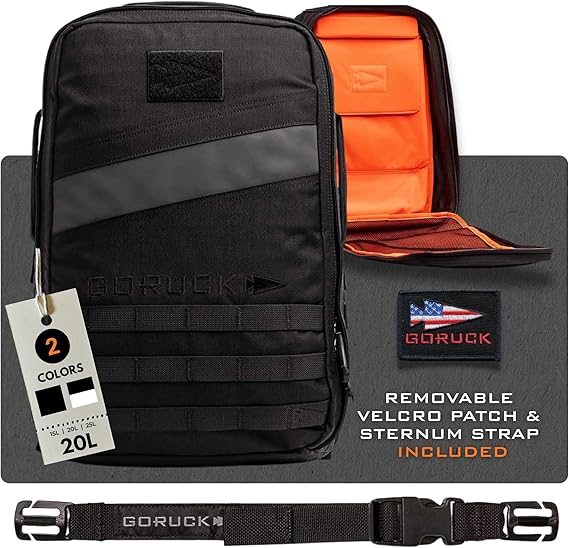
Sturdy Rucking Backpack
Burn Double. Adding 10-20 lbs turns a walk into a workout. Essential: padded straps and a chest clip to save your lower back.
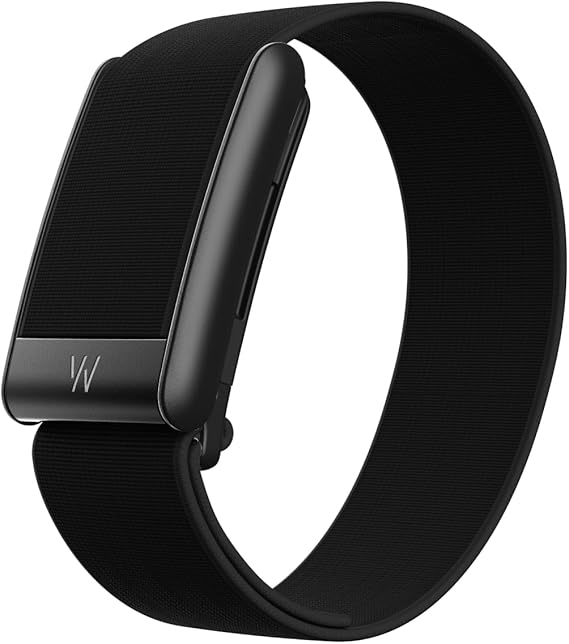
Simple Fitness Tracker
Our brains are terrible at estimating movement. A tracker creates a feedback loop to ensure you actually hit the 8,000 - 10,000 step sweet spot.
FAQ: Common Questions on Walking for Weight Loss
Is walking 30 minutes enough to lose weight?
Yes, if the intensity is high enough or your diet is in check. To maximize a 30-minute window, use an incline or add weight (rucking) to increase calorie burn without extending time.
Will walking burn muscle?
No. Unlike long-distance running or extreme cardio, low-impact walking is very muscle-sparing. It is the preferred cardio method for bodybuilders during prep for this exact reason.
Why am I not losing weight walking 10k steps?
You cannot out-walk a bad diet. 10,000 steps burn roughly 400 calories. If you “reward” yourself with a 500-calorie muffin post-walk, you are technically gaining weight. Walking creates the deficit; diet preserves it.
Can I break my steps into smaller walks?
Absolutely. In fact, “exercise snacking” (breaking walks into 10-15 minute chunks, especially after meals) can be better for blood sugar regulation and digestion than one long walk.
Final Verdict: Your Simple Action Plan
You don’t need to overcomplicate this. Walking is the most underrated fat loss tool because it is sustainable. You can do it every day for the rest of your life.
- Aim for 8,000 – 10,000 steps daily as your baseline.
- Ignore the scale for the first 4 weeks; trust the fit of your clothes.
- Short on time? Don’t skip it. Use the “Incline Hack” or grab a backpack (Rucking) to get the same burn in half the time.
Start today. Not on Monday. Put on your shoes and go.