Walking for Weight Loss: How Many Steps Do You Really Need to See Results?

You have probably read dozens of contradictory articles about walking for weight loss. Some tell you that you need the sacred “10,000 steps,” others say 5,000 is enough, and the more intense ones suggest you need to start running marathons.
If you are here, it’s because you want a clear, honest answer based on what works in the real world, not just in a laboratory.
The short answer is: Yes, walking is the single best tool for long-term fat loss. But the “how much” has nuances that hardly anyone talks about.
In my experience analyzing real success stories, the people who transform their bodies aren’t the ones who kill themselves running for a month only to quit due to exhaustion or injury. They are the ones who understand how to use their daily steps strategically.
Does Walking Actually Work for Weight Loss? (What the Data Says)
Absolutely. In fact, walking has a much higher adherence rate than the gym or running.
NEAT is all the energy you expend moving around without formally “exercising.”
The “Hidden Superpower”: Walking vs. Running (The Hunger Trap)
This is where most people fail. They think: “If walking is good, running must be better because it burns faster.” Mistake.
Walking has a “superpower” that running does not: It doesn’t trigger ravenous hunger.
I have seen this pattern repeat hundreds of times: a user goes out to run 5km, spikes their cortisol (stress) levels, and comes home with an uncontrollable appetite, ending up eating back more calories than they burned. When walking, the stress on the body is much lower.

The 10,000 Steps Myth vs. Your Reality
Let’s dismantle a myth: the “10,000 steps” figure was not born from a medical study. It was a Japanese marketing campaign from the 1960s to sell pedometers (the device was called Manpo-kei).
However, by pure coincidence, marketing got it right. That figure happens to coincide with a very healthy activity level.
The Sweet Spot: Where is the Magic?
Based on most studies and what I see in daily practice, you don’t need to obsess over hitting 10K from day one.
-
For general health: 6,000 – 7,000 steps already drastically reduce mortality risk.
-
For significant fat loss: The effective range is usually between 8,000 and 12,000 steps daily.
📊 Comparative Table: Steps, Effort, and Real Results
To give you a clear expectation, I have created this table based on a moderate caloric deficit combined with walking. This is what you can expect:
| Daily Steps | Activity Level | Impact on Weight | Difficulty / Hunger |
| < 5,000 | Sedentary | Maintenance or Gain (if diet is poor) | Low |
| 5,000 – 7,000 | Low Active | Healthy Maintenance / Very Slow Loss | Low |
| 8,000 – 10,000 | Active (Sweet Spot) | Consistent, Visible Fat Loss | Moderate (Manageable) |
| 12,000+ | Very Active | Accelerated Loss (Allows for more food) | Medium (Requires time) |
Your Progressive Plan: From Sedentary to Fat Burning Machine
The number one mistake is jumping from 3,000 steps to 10,000 overnight. That lasts three days. The winning strategy I recommend is intelligent progression.
Step 1: Find Your Baseline (Stop Guessing)
Most people believe they walk 5,000 steps, but when we look at the actual data, they are really doing 2,500. For the first week, don’t change anything. Just measure. That is your truth.
Step 2: The +20% Rule
Once you have your average, don’t try to double it. Apply the 20% Rule each week or add a fixed 3,000 steps to your current average.
Example: If you do 4,000 steps today $\rightarrow$ Your goal for next week is 4,800 or 5,000. Not 10,000.
The Result: Someone who increases consistently usually reports visible weight loss within the first 4-6 weeks.
Why You Stopped Losing Weight (The Efficiency Trap)
It is very common to see users frustrated by month three. “I’m doing the same thing as the beginning, but the scale won’t budge.”
It’s not your fault; it’s your biology. The body is an efficient survival machine. If you walk the exact same route every day, your body learns to do it while spending less energy. You become “too efficient.”
How to Break the Plateau
To reignite fat burning without having to walk 4 hours a day, use these three techniques that disrupt adaptation:
- Incline: Walk on hills or set the treadmill to a slope (10-12%). This can increase caloric burn by up to 50% without needing to run or impact your knees.
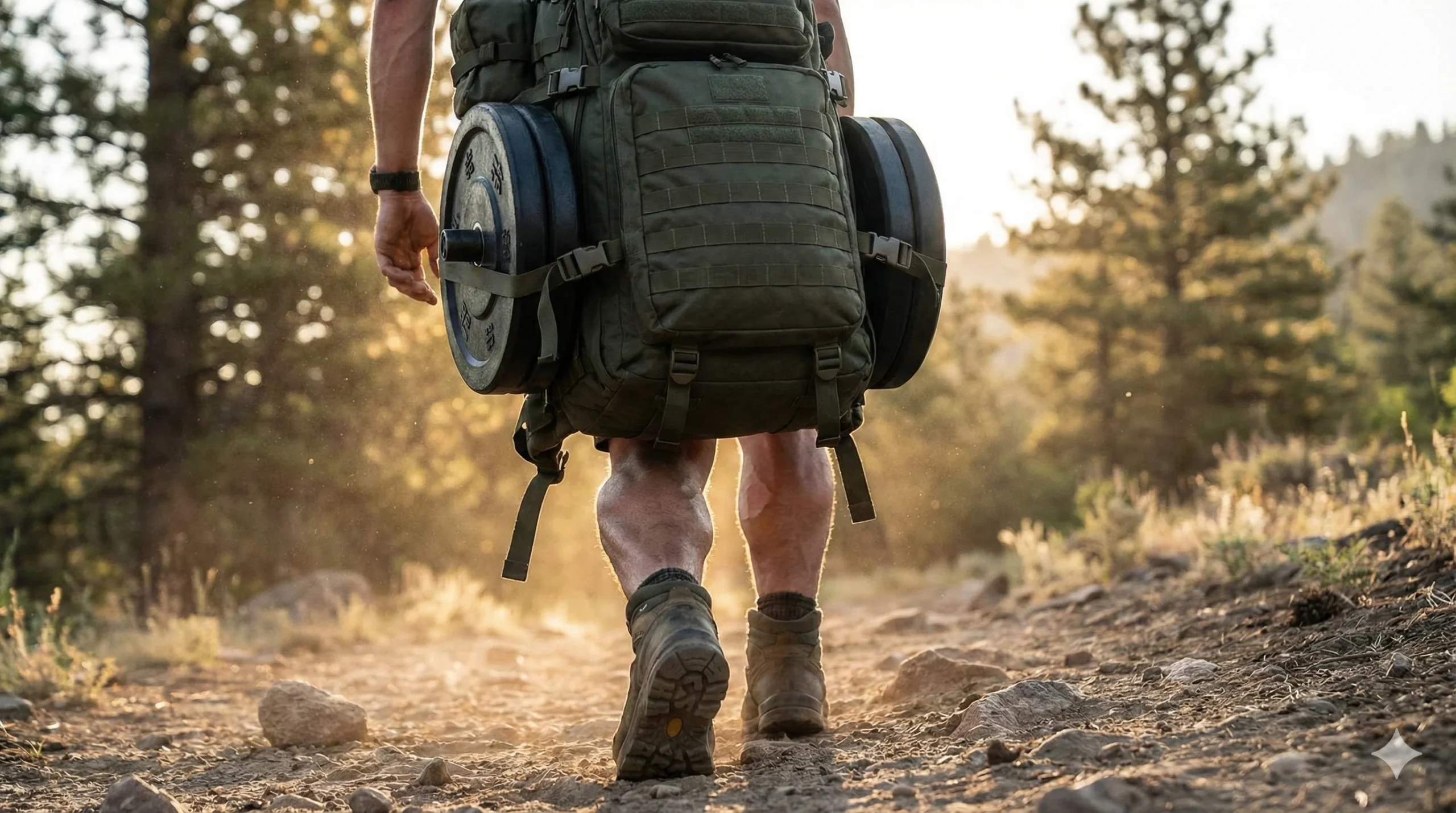
- Rucking: A trend I see growing rapidly. It simply consists of walking with a weighted backpack (5-10 kg). It turns a gentle walk into a strength-endurance workout.
- Intervals: Don’t always walk at the same pace. Alternate 2 minutes very fast (as if you were late for a meeting) and 2 minutes at a normal pace.
Gear & Tech: What Do You Actually Need?
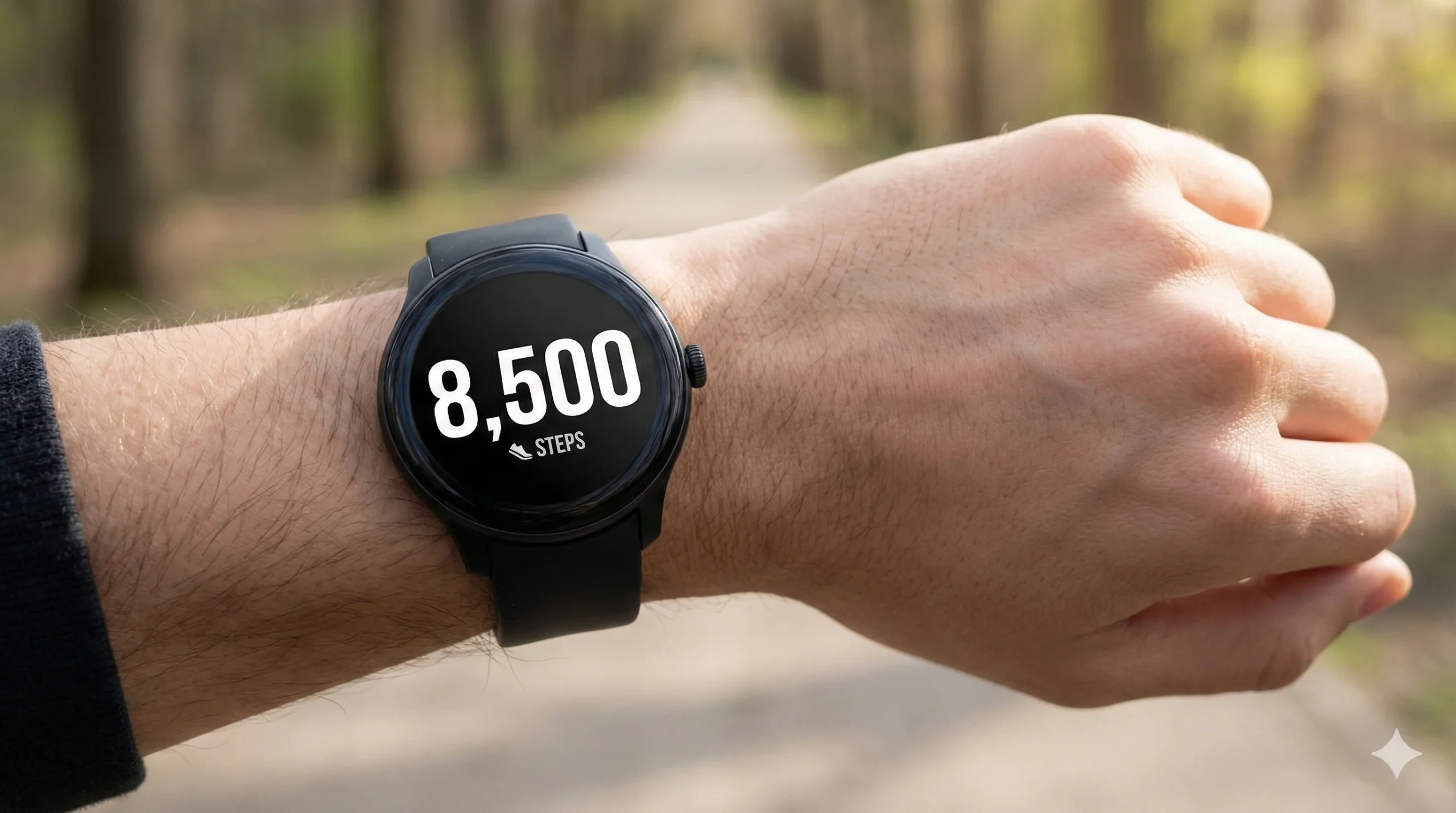
You don’t need a $500 watch to lose weight. Exact precision (knowing if it was 10,001 or 10,005 steps) is not as important as relative consistency (knowing if you did more today than yesterday).
-
Basic Level (Free): Google Fit or Apple Health. They work, but the problem is that if you leave your phone on the table, those steps don’t count.
-
Intermediate Level (Recommended): Trackers like the Xiaomi Mi Band. They are cheap, the battery lasts for weeks, and they are perfect for seeing the trend without spending much.
-
Advanced Level: Watches like Garmin or Apple Watch. Useful if you are interested in measuring heart rate and ensuring you are walking in “Zone 2” (the optimal fat-burning zone), but they are not mandatory to start.
🛍️ Quick Buying Guide: 3 Things to Consider Before Starting
If you are ready to commit to walking for weight loss, consider these three factors before buying any gear:
- Shoes with Wide Toe Boxes: Most running shoes compress your toes. For walking long distances, you want shoes that allow your toes to splay naturally (look for “anatomical toe box”). This prevents blisters and improves balance during long walks.
- Tracker Battery Life: If you have to charge your watch every day, you will eventually forget to wear it. Look for a simple tracker with at least 7-14 days of battery life. Consistency in data is more important than a color screen.
- Weather-Proofing: The main reason people skip their walk is rain or cold. Invest in a lightweight, waterproof windbreaker rather than expensive gym clothes. If you stay dry, you stay consistent.
🚶♂️ Walking for Fat Loss Essentials
You don't need a $500 watch. You need comfort and consistency.
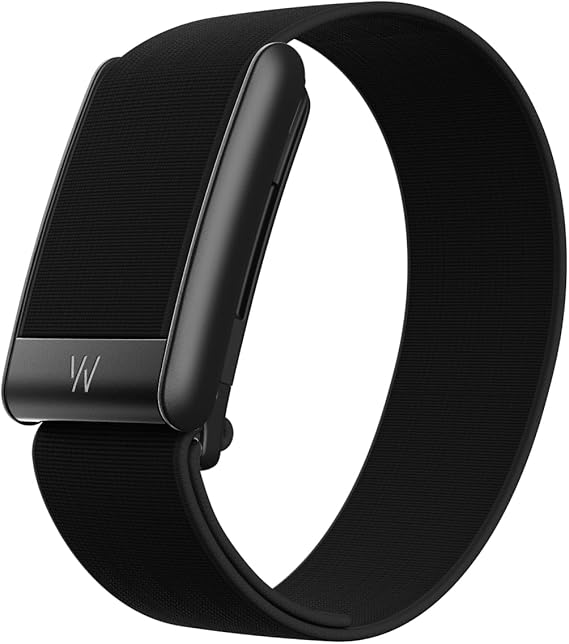
Xiaomi Smart Band
Don't overspend. This has a 2-week battery life and tracks the only metric that matters for fat loss: consistent daily steps. Simple and effective.
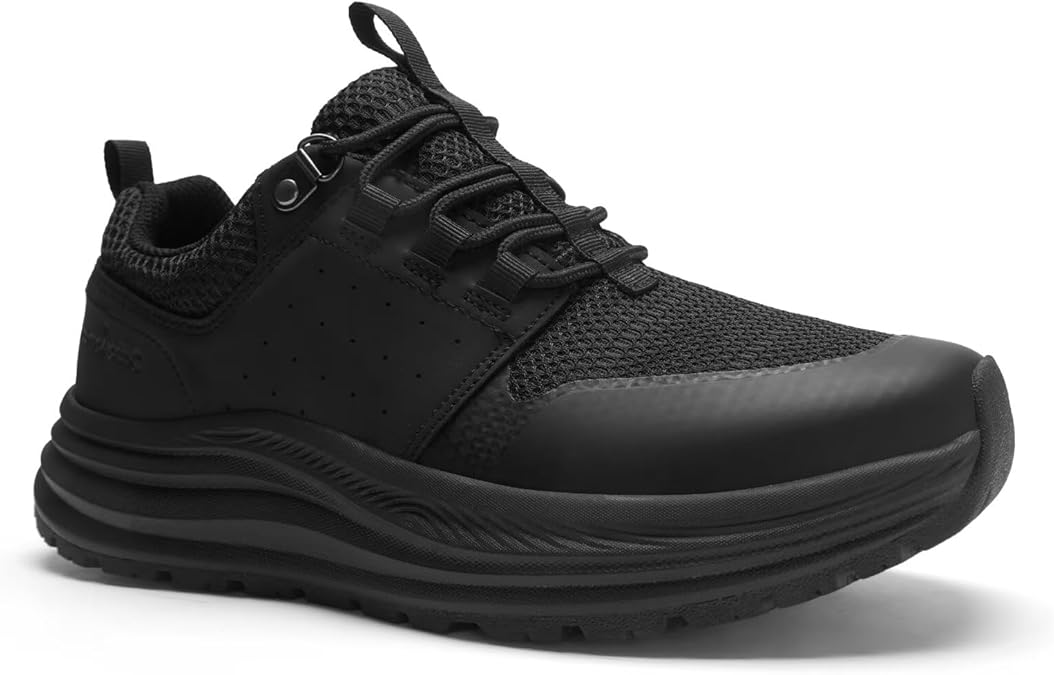
Anatomical Walking Shoes
Standard running shoes compress your toes. For long walks, you need a Wide Toe Box design to allow natural splay, preventing blisters and improving balance.
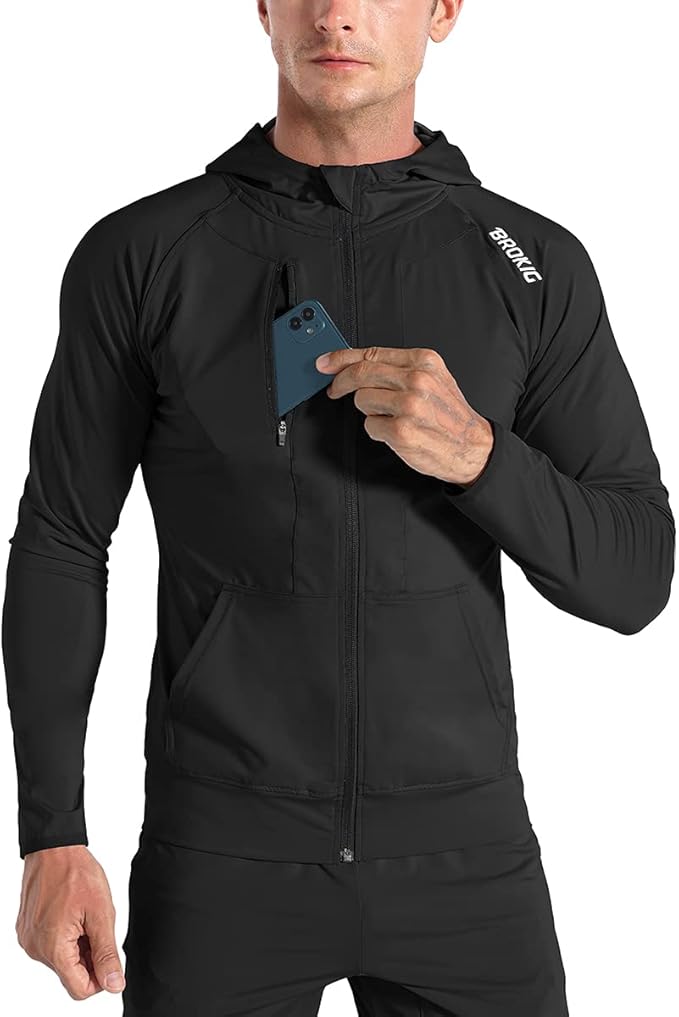
Lightweight Windbreaker
Rain is the #1 reason people quit. A simple, packable waterproof layer ensures you hit your step goal regardless of the weather.
*As an Amazon Associate I earn from qualifying purchases. Prices updated for 2026.
Conclusion
Walking for weight loss isn’t a myth; it is the most sustainable way to keep body fat low for years. Don’t obsess over the number 10,000 today.
Start where you are, apply the 20% rule, be careful not to compensate by overeating, and above all, have patience. The results will come.
Ready to start? Put your shoes on right now and go for a 10-minute walk. That’s your first victory.
❓ Frequently Asked Questions (FAQ)
Is it better to walk fast or slow? Brisk walking is superior. Try to maintain a pace where you can talk, but you would struggle to sing. This usually indicates you are entering the fat-burning zone (Zone 2).
Does walking burn belly fat? You cannot choose where to lose fat (spot reduction), but walking reduces cortisol and improves insulin sensitivity—two key factors for mobilizing stubborn abdominal fat over the long term.
Do steps inside the house count? Yes, absolutely. Your body doesn’t know if you are in your hallway or a park; it only understands movement and energy expenditure. Pacing while on the phone is a great way to add steps.
Can I lose weight just by walking without changing my diet? It is difficult. While walking burns calories, it is much easier to “eat back” those calories than to burn them. For best results, combine walking with a slight caloric deficit or a focus on whole, unprocessed foods.