20-Minute Wall Pilates Workout for Beginners (Full Body): A Realistic Home Guide
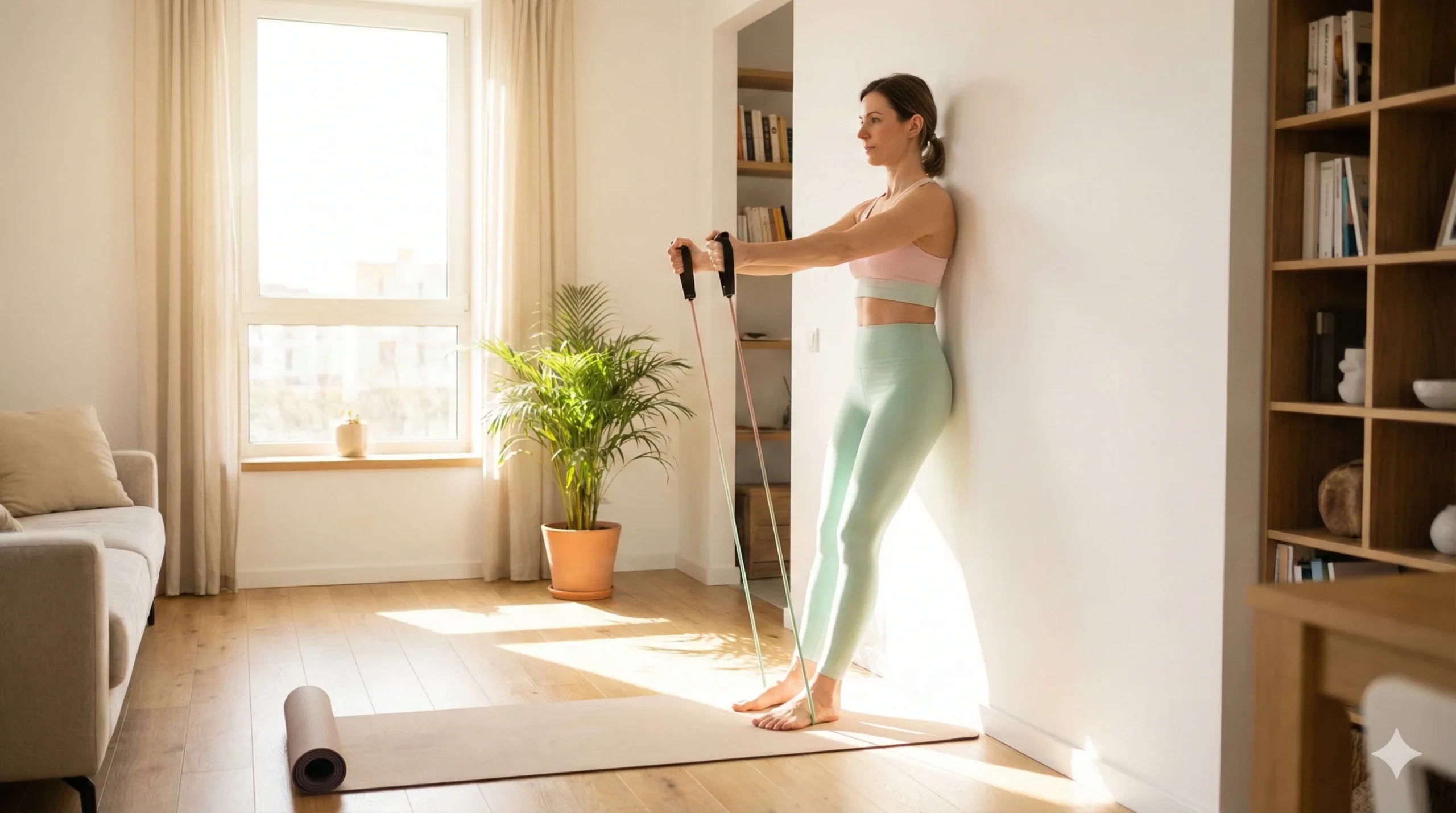
You’ve probably seen the videos. Someone looks effortlessly graceful leaning against a wall, and your first thought is exactly what mine was: “Ah, it’s just leaning against a wall. This will be relaxing.”
Let me stop you right there. It looks easy, but looks are deceiving.
As someone who has dived deep into the 20-minute wall pilates workout for beginners, I can tell you the reality hits around the 5 to 7-minute mark. That’s when the “slow burn” sets in, and your legs start to shake. Unlike traditional cardio where you get winded, this is a deep, isolated muscle fatigue that surprises you.
If you are ready to ditch the gym and fix your posture without jumping around, this guide covers the full body routine, the specific pitfalls nobody warns you about (watch out for your socks!), and why the wall is actually your strictest instructor.
Why Everyone is Talking About Wall Pilates (Spoiler: It’s Not Just Hype)
The surge in popularity isn’t just because it looks cool on social media. It works because of physics.
The Wall Doesn’t Lie: The Benefit of “Tactile Feedback”
When you do Pilates in the middle of a room, it’s easy to cheat without knowing it. You might arch your back or tilt your hips. The wall provides immediate tactile feedback.
You can physically feel if your spine is aligned. It acts as a constant guide, forcing a neutral spine and making the exercises safer and more effective for beginners.
Goodbye Momentum: Why Legs Shake at Minute 7
This was the biggest shock for me. In other workouts, you use momentum (swinging your arms or legs) to help you move. The wall eliminates that inertia.
Because you can’t use momentum to “cheat” the movement, your muscles have to work in total isolation. That constant tension creates a deep burn—different from running, but highly effective for toning.
Comparison: Wall Pilates vs. The Rest
Here is a quick breakdown to help you decide if this fits your goals. I designed this table to be complete but easy to scan.
| Feature | Wall Pilates | Traditional Mat Pilates | Gym / HIIT |
| “Cheat” Factor | Low. The wall stops you from using momentum. | Medium. Easy to lose form without a teacher. | High. Momentum often takes over. |
| Feedback | Tactile. The wall tells you if you are wrong. | Visual. You have to look in a mirror. | External. Weights or machines guide you. |
| Impact | Zero Impact. Gentle on joints. | Low Impact. | High Impact. Hard on knees/ankles. |
| Best For… | Posture, deep core, alignment. | Flexibility & flow. | Cardio & bulk muscle. |
Before You Start: 3 Golden Rules to Avoid Hating the Workout
The videos usually show perfect setups, but they don’t tell you the practical “dangers.” Based on my experience, here is how to avoid frustration (and injury).
1. The Sock Hazard (And Why Barefoot is Better)
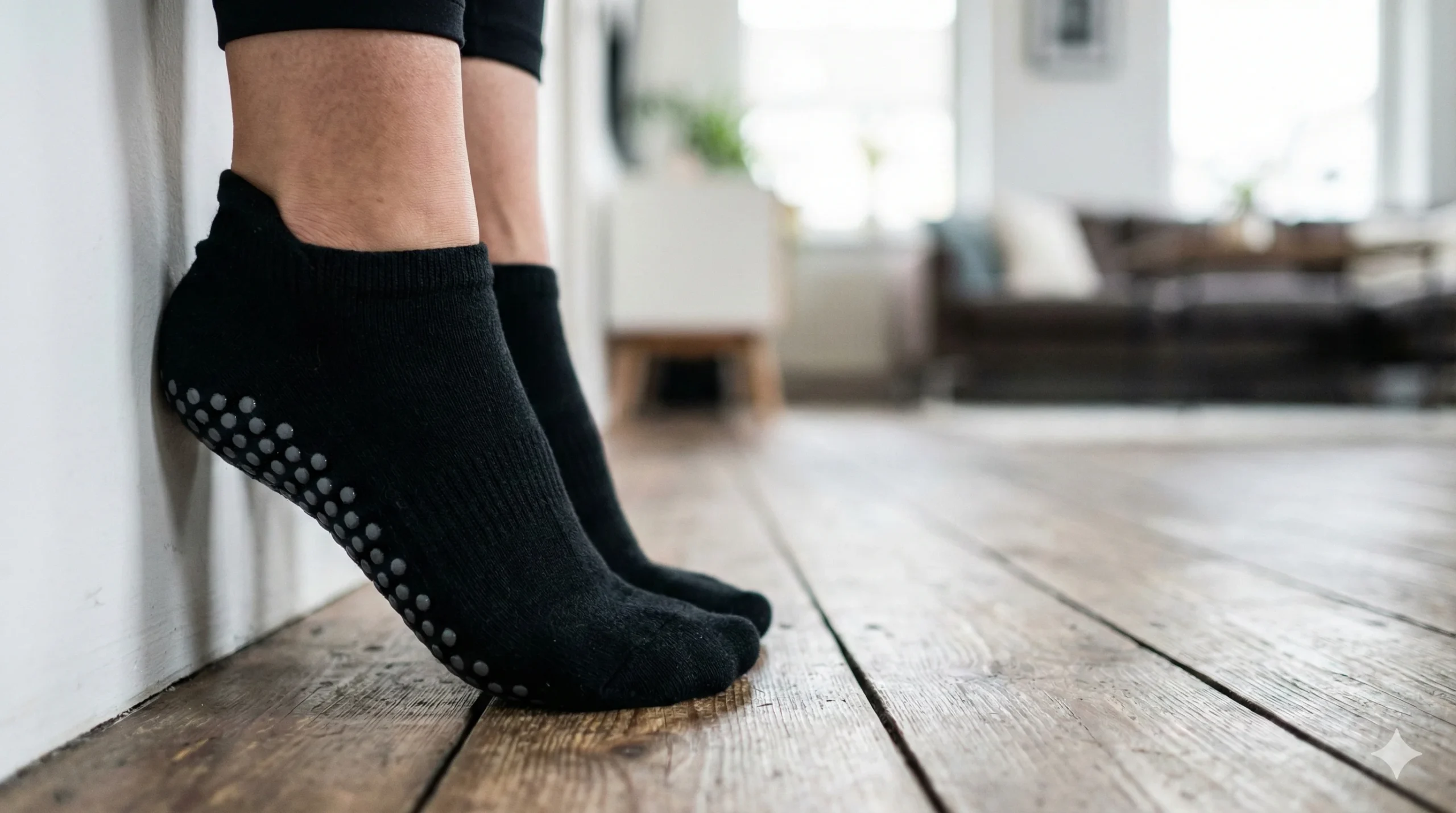
This is the #1 anecdote I share. If you wear regular cotton socks on a wooden or tiled floor, you will slip the moment you apply force against the wall.
-
The fix: Do this workout barefoot for the best grip, or use specific yoga socks with non-slip grips. Don’t learn this the hard way like I did!
2. The “Bun Clause”: Adjust Your Hairstyle
If you have long hair, pay attention. Do not wear a low ponytail or a bulky bun at the back of your head.
Since many exercises require you to rest your head flat against the wall, a bun will push your head forward, straining your neck.
-
The fix: Go for a very high top-knot or keep your hair loose. Your neck will thank you.
3. The Perfect Distance
Distance matters. If you are too far, you might strain your lower back. Too close, and you cramp up. Take the first minute to adjust your distance from the wall until you feel the muscle working, not the joint.
🛍️ Mini Buying Guide: Essentials for Success
(Added by Editor: To ensure safety and comfort during your wall sessions)
While Wall Pilates is famous for requiring “no equipment,” these 3 small investments change the game:
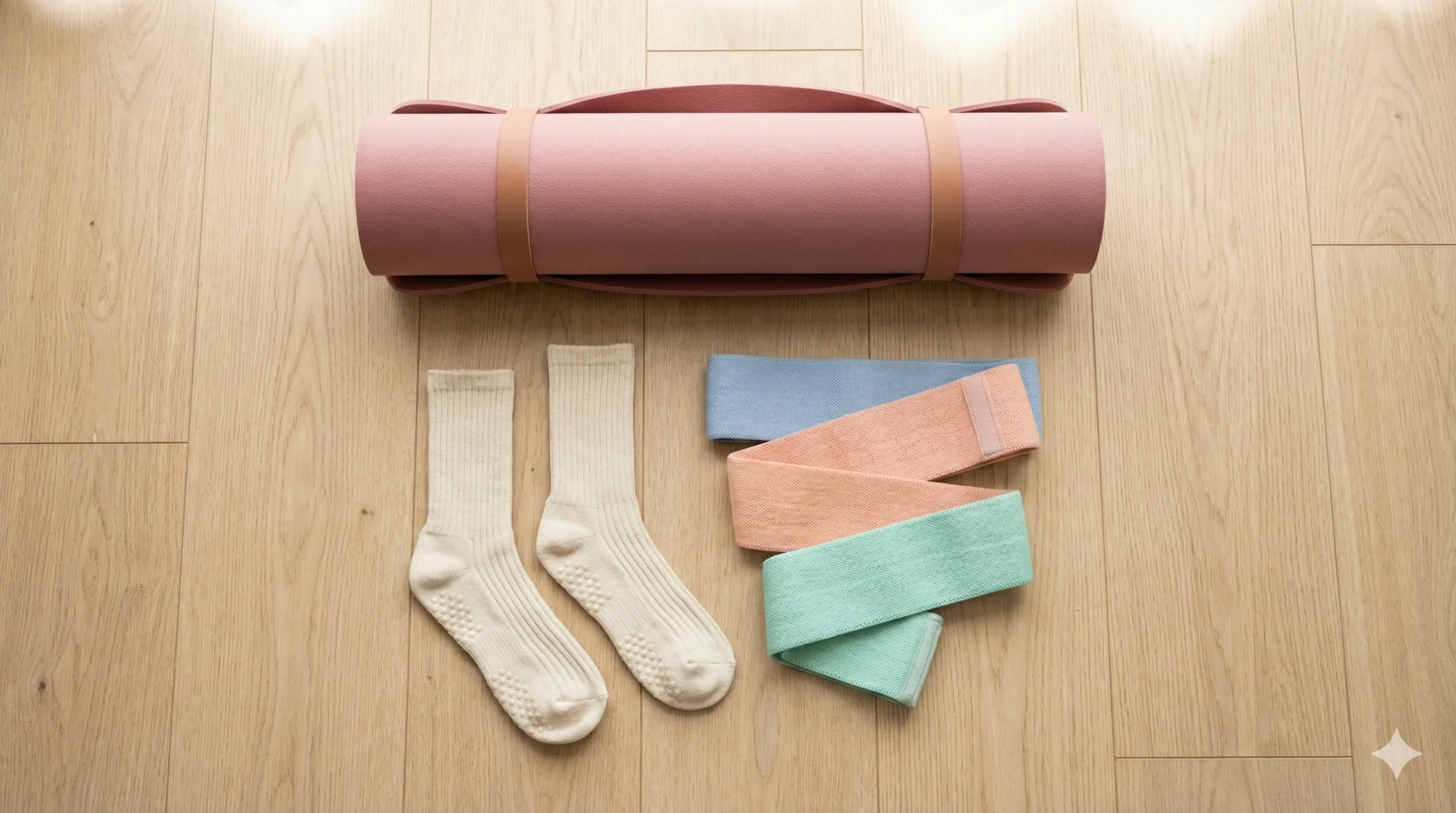
- Grip Socks: As mentioned above, regular socks are dangerous on tile. Look for socks with silicone grips on the soles to lock your feet to the wall or floor.
- Thick Yoga Mat (6mm+): Since you’ll be lying on your back for core work, a thin mat can hurt your spine. Opt for a high-density foam mat for cushioning.
- Resistance Bands (Optional): Once the 20-minute routine gets too easy, adding a band around your thighs during wall bridges instantly doubles the intensity.
✨ Wall Pilates Essentials
While Wall Pilates is famous for requiring "no equipment," these 3 small investments change the game completely.
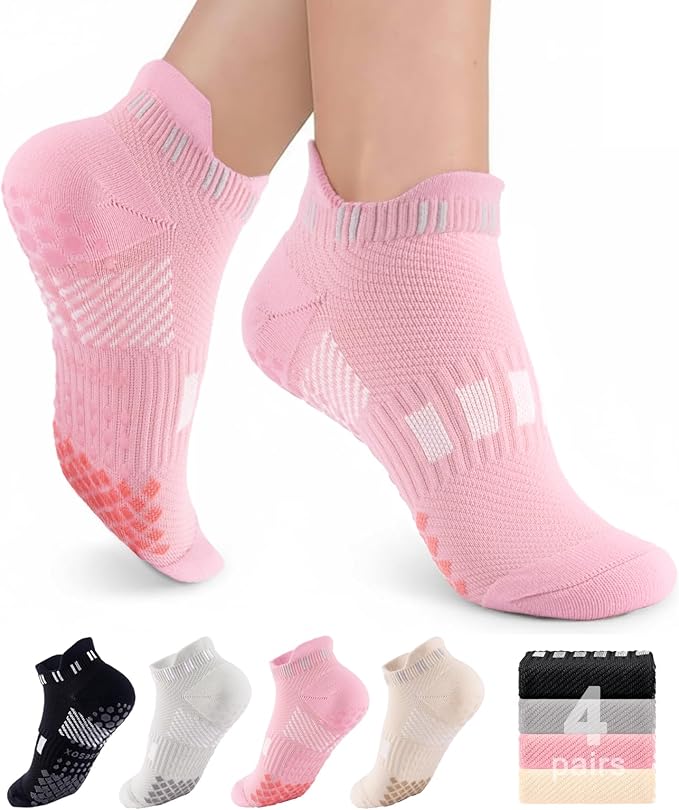
Non-Slip Grip Socks
Regular socks are dangerous on tile. These feature silicone grips on the soles to lock your feet to the wall or floor securely.
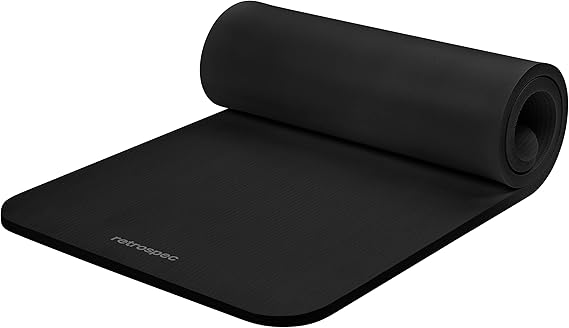
Thick Yoga Mat (6mm+)
A thin mat can hurt your spine during core work. This high-density foam mat provides the crucial cushioning your back needs.
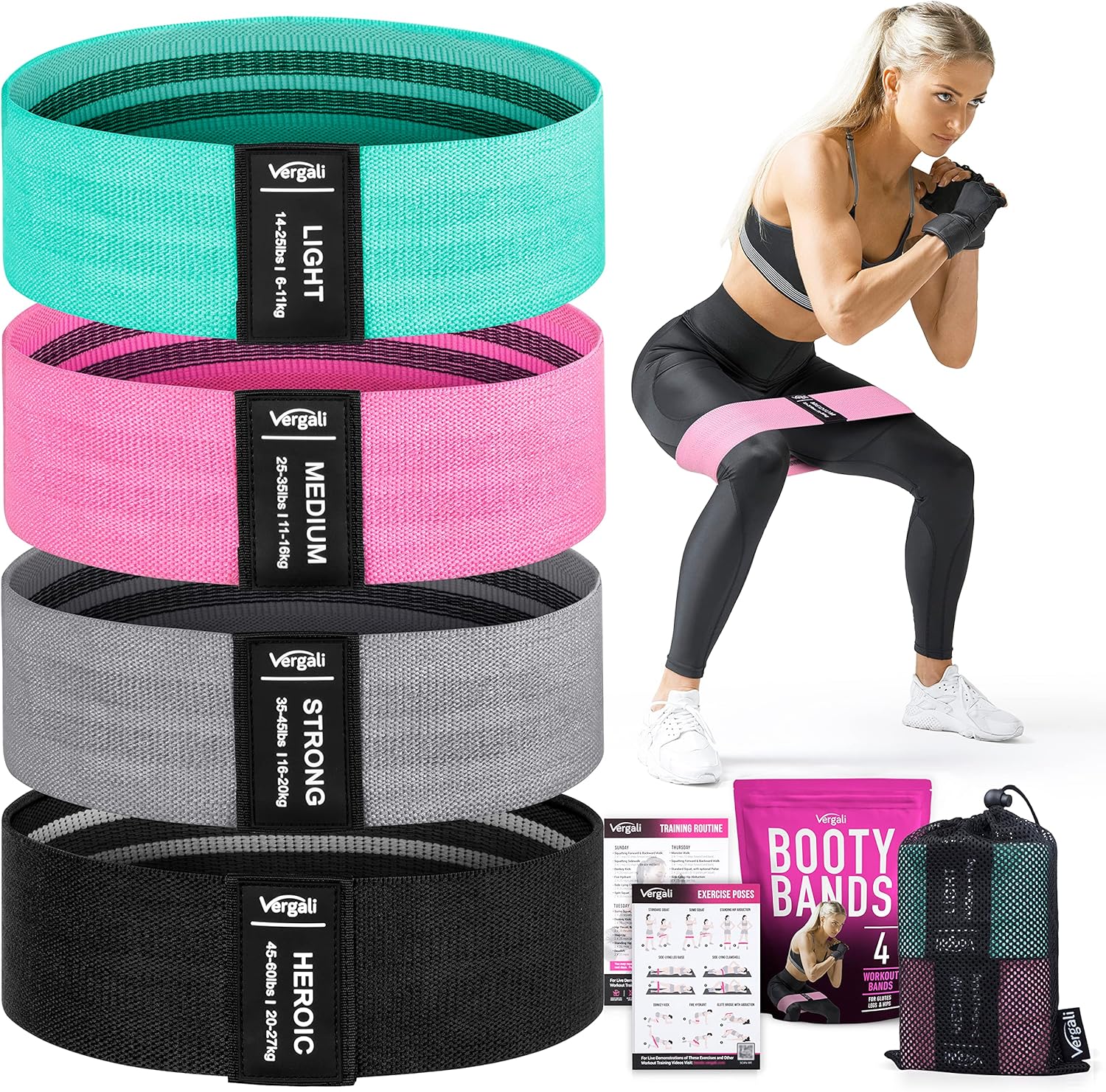
Resistance Bands
Routine too easy? Adding a band around your thighs during wall bridges instantly doubles the intensity.
*Prices and availability subject to change. As an Amazon Associate I earn from qualifying purchases.
The Routine: 20 Minutes to Transform Core and Posture
A standard 20-minute wall pilates workout for beginners (full body) usually cycles through highs and lows. Here is what it actually feels like.
Warm-up: Roll Down and Spine Alignment
This falls into the “Pleasure” category. Standing against the wall and rolling down vertebra by vertebra feels incredible. The wall guides you, ensuring you aren’t leaning forward. It gives an immediate sense of relief and prepares your nervous system.
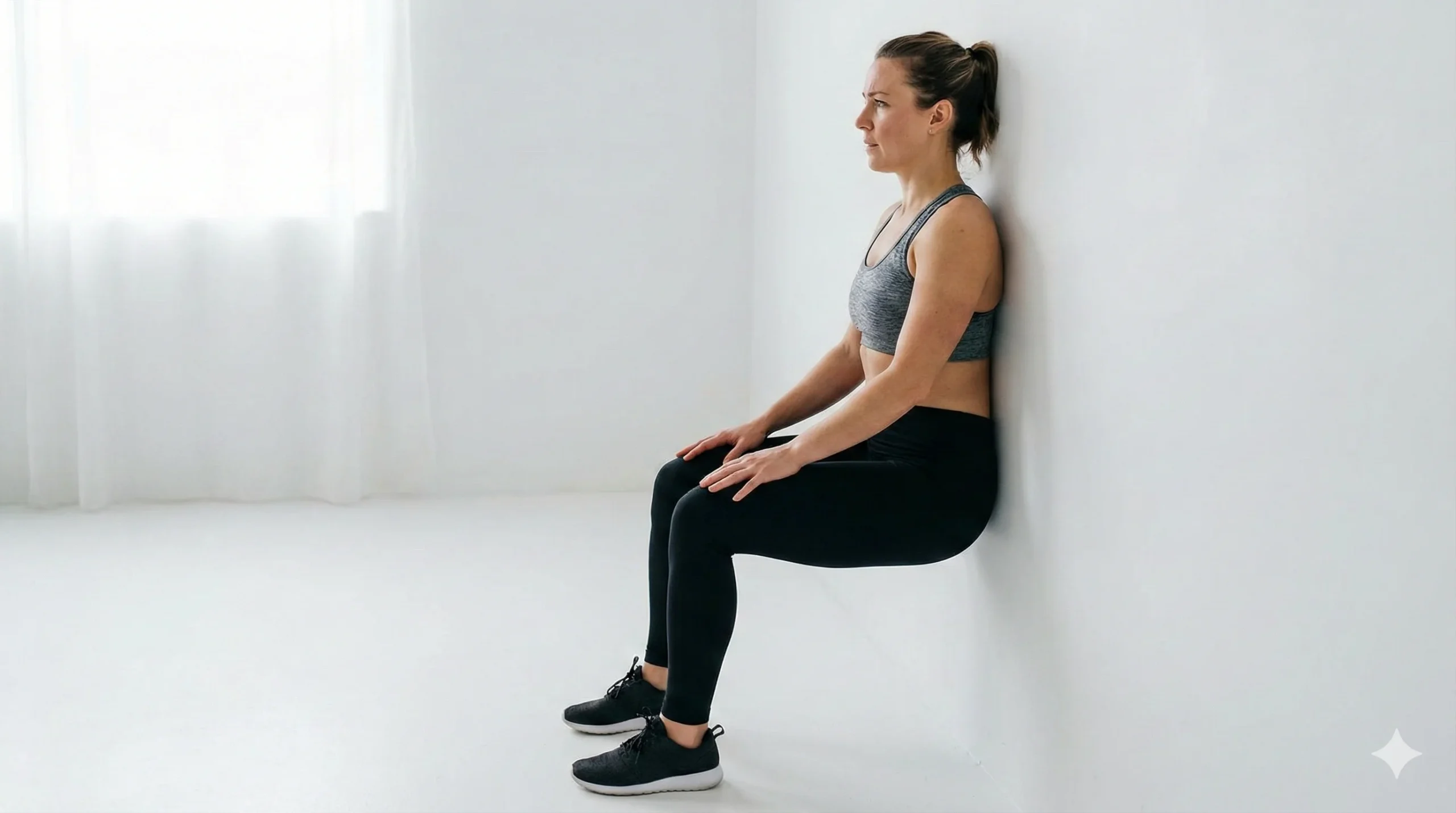
The “Terror”: Wall Sits (Isometric Squats)
This is the part where most people want to pause the video. Holding a squat with your back against the wall feels eternal.
Reality Check: It is normal to shake. That vibration means your quads are firing. Just breathe through it; it’s the most efficient way to strengthen legs without weights.
Fire in the Hamstrings: Elevated Bridges
Doing bridges with your feet up on the wall increases the range of motion compared to doing them on the floor. You will feel your hamstrings (back of the thighs) screaming a bit more than usual. This intensity is good—it means you are hitting muscles that sitting all day has weakened.
The “Pleasure”: Assisted Stretching
Ending with wall-assisted stretches allows for a deeper release. Knowing the wall is there to support your weight lets you relax fully into the stretch, rewarding you for the hard work.
Real Results: What to Expect After Session One
You won’t get a six-pack in 20 minutes, but you will feel a change.
-
The “Walking Taller” Sensation: Because you spent 20 minutes forcing your spine into neutral alignment against a flat surface, your body holds that position even after you step away.
-
Core Activation: To keep from slipping, you’ve likely been engaging your abs subconsciously the whole time. You’ll feel a “corset” effect around your waist.
FAQ: Common Questions About Wall Pilates
Is 20 minutes really enough?
Yes. Because the wall removes momentum, the “time under tension” is higher than in a standard gym session. 20 minutes of focused, isolated work is powerful enough to stimulate muscle change.
Can I do this if I am overweight?
Absolutely. Wall Pilates is low impact and friendly for all body types. The wall actually provides support that makes balance easier than free-standing exercises, reducing the risk of falling while protecting your joints.
How often should I do this routine?
As a beginner, start with 3 times a week. This allows your muscles (especially the deep stabilizers) to recover from that deep isometric work before you go again.
Do I need a completely empty wall?
You need about body-width of space. A door (make sure it’s closed tight!) works perfectly fine if you don’t have a large empty wall. Just ensure the surface is flat and stable.
Final Verdict: Is It Worth The Hype?
(Added by Editor)
If you are looking for a high-octane adrenaline rush, this isn’t it. But if you want a smart, efficient, and deceptive workout that fixes years of bad posture while toning your entire body, the 20-minute wall pilates workout for beginners is the gold standard.
The wall is strict, but fair. It forces you to be honest with your movement. My advice? Put on your grip socks, find a clear spot of wall, and embrace the shake.
Ready to start? Bookmark this page for your next session.
Related posts: 🔥 You might also like…

Ashwagandha Benefits for Men: Testosterone, Stress, and What They Don’t Tell You
Ashwagandha Benefits for Men: Testosterone, Stress, and What They Don't Tell YouIf you search for...

Creatine Monohydrate: The Ultimate Guide to Benefits, Dosage, and Side Effects
Creatine Monohydrate: The Ultimate Guide to Benefits, Dosage, and Side EffectsCreatine Monohydrate...

Magnesium Glycinate vs. Citrate: Which is Best for Sleep? (The Ultimate Comparison)
Magnesium Glycinate vs. Citrate: Which is Best for Sleep? (The Ultimate Comparison)You are...