
Are Greens Powders Worth It? Benefits vs. Real Veggies (The Unfiltered Truth)

You see them everywhere on social media: perfectly fit influencers shaking up a bottle of neon-green liquid, promising gut health, endless energy, and a glowing complexion. But let’s cut through the marketing hype. Are greens powders worth it? Or are we just drinking expensive, grassy-tasting water?
As someone who has analyzed the top market contenders and tested the most popular brands personally, I’m here to give you the reality check that the glossy ads won’t. We are going to break down the benefits vs. real veggies, the cost, and the physical reality of relying on a powder for health.
The Short Answer: Can They Replace a Salad?
The brutal, short answer is: No.
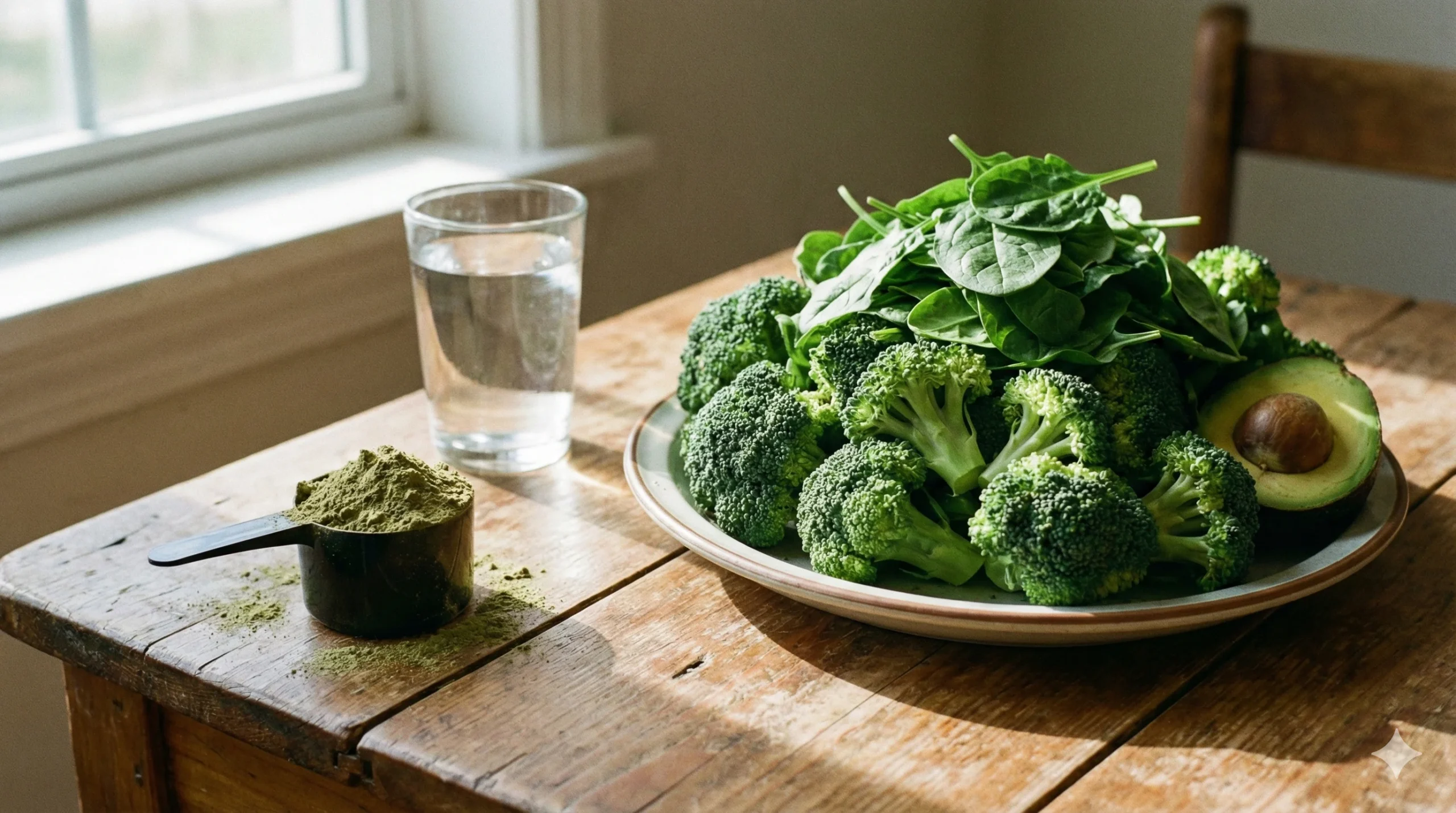
If you are drinking a glass of green powder thinking it is the nutritional equivalent of a plate filled with broccoli, spinach, and avocado, you are deceiving yourself. While these powders do contain vitamins and minerals, they lack the fundamental structure of food.
The Fiber Trap & Why You Stay Hungry
This is the biggest trap. Whole vegetables provide satiety and regulate your blood sugar because they have structure, volume, and fiber.
In my experience testing these supplements, the math is disappointing. A standard serving of greens powder usually offers a meager 1-2 grams of fiber. Compare that to a proper meal with real greens, which easily packs 6-10 grams.
The physical result? When you drink your greens, your body doesn’t register that it has “eaten.” There is no mechanical digestion. Thirty minutes after chugging that green smoothie, don’t be surprised if you are starving again. It’s a supplement, not a meal.
Bioavailability: Are You Buying “Expensive Urine”?
Nutritionists often use the cynical term “expensive urine” for a reason. Digestion begins in the mouth. The act of mastication (chewing) activates enzymes that prepare your GI tract to absorb nutrients.
When you down a liquid supplement in 10 seconds, you bypass this crucial step. You are flooding your system with concentrated nutrients so fast that many simply pass right through you. You might be getting some benefit, but it is nowhere near the bioavailability of slowly digesting a crunchy apple or steamed kale.
What Brands Won’t Tell You: Taste, Texture & Side Effects
Marketing copy will use words like “delicious tropical flavor” or “refreshing mint.” Let’s talk about what happens when the powder actually hits your tongue.
From “Tropical Splash” to “Swamp Water”
I’ve tried enough of these to tell you the truth: almost all of them have an undeniable background note of cut grass, wet dirt, or swamp water.
To mask this intense algae/grassy flavor, brands load the powder with heavy doses of Stevia, monk fruit, or strong artificial mint. The result is often a bizarre sensory experience: cloyingly sweet at first, with a lingering earthy aftertaste.
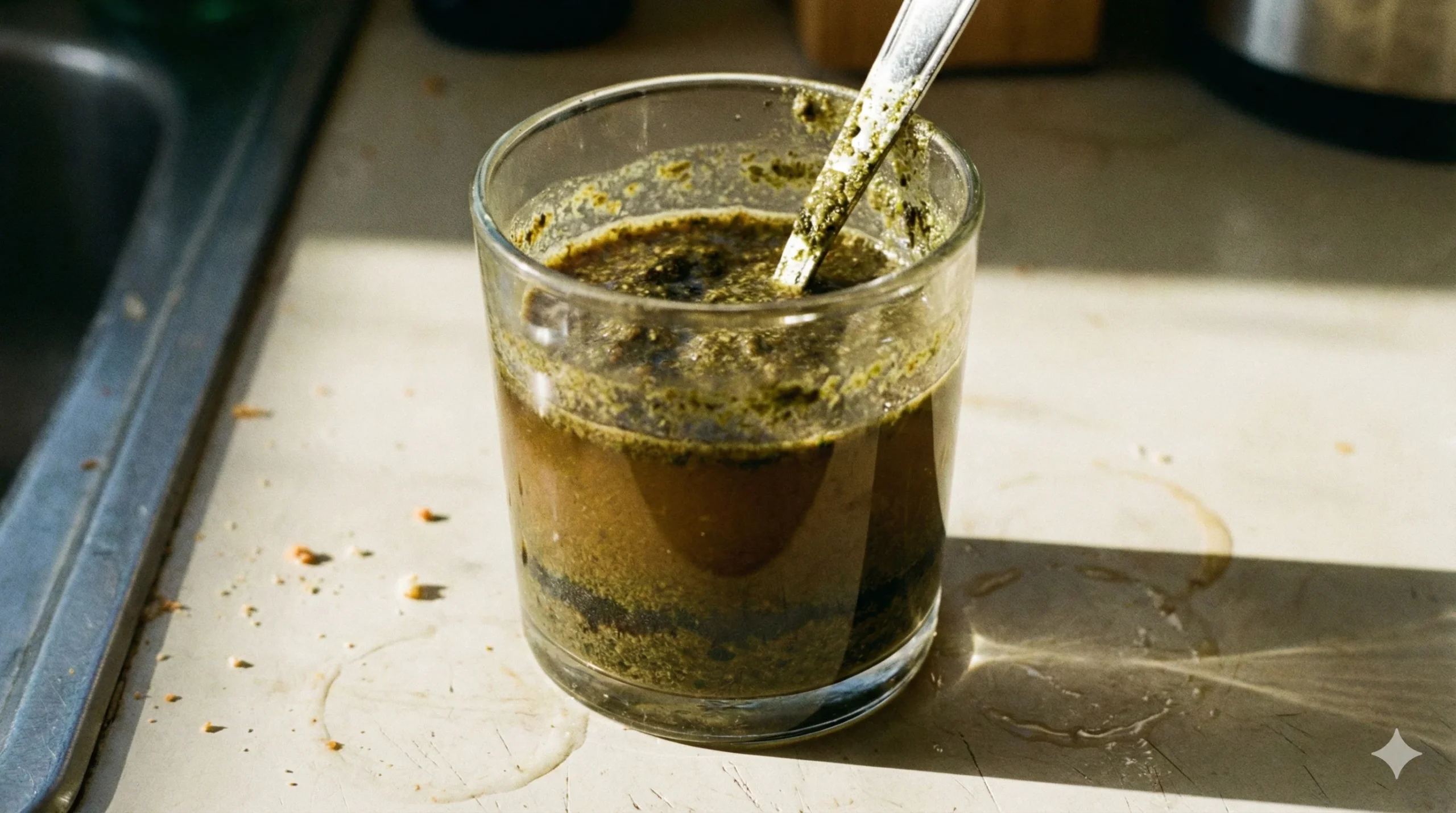
And then there is the texture. Unless you use a high-powered blender, many powders just don’t dissolve perfectly. You are often left with a “gritty” final sip—a sludge of green sand at the bottom of the glass that many users (myself included) end up drinking while holding their nose like medicine.
⚠️ Editor’s Note: Texture issues are common with powders containing spirulina or chlorella. Always use a shaker bottle with a metal ball, not just a spoon.
The Bloat Paradox: When the “Cure” Inflates You
Here is an irony that isn’t discussed enough. People buy greens powders to reduce bloating and improve gut health. However, many formulas are packed with added probiotics and inulin (a type of prebiotic fiber) in high concentrations.
If your gut isn’t used to this concentrated hit, the first week can be rough. Instead of a flat stomach, you might experience the “balloon effect”—severe bloating and gas. It is paradoxical: you take it to de-bloat, and initially, it does the exact opposite.
The Mental Factor: Real Energy or Hydration Placebo?
Many users report feeling “more energy” in the mornings. Is it the adaptogens? Maybe. But let’s look at the behavior.
Most people start their day with coffee (dehydrating). When they switch to greens powders, they start their day with 500ml of water. Often, that “surge of energy” isn’t the magic powder; it’s simply the feeling of being properly hydrated for the first time in years.
Cost Breakdown: Greens Powders vs. The Produce Aisle
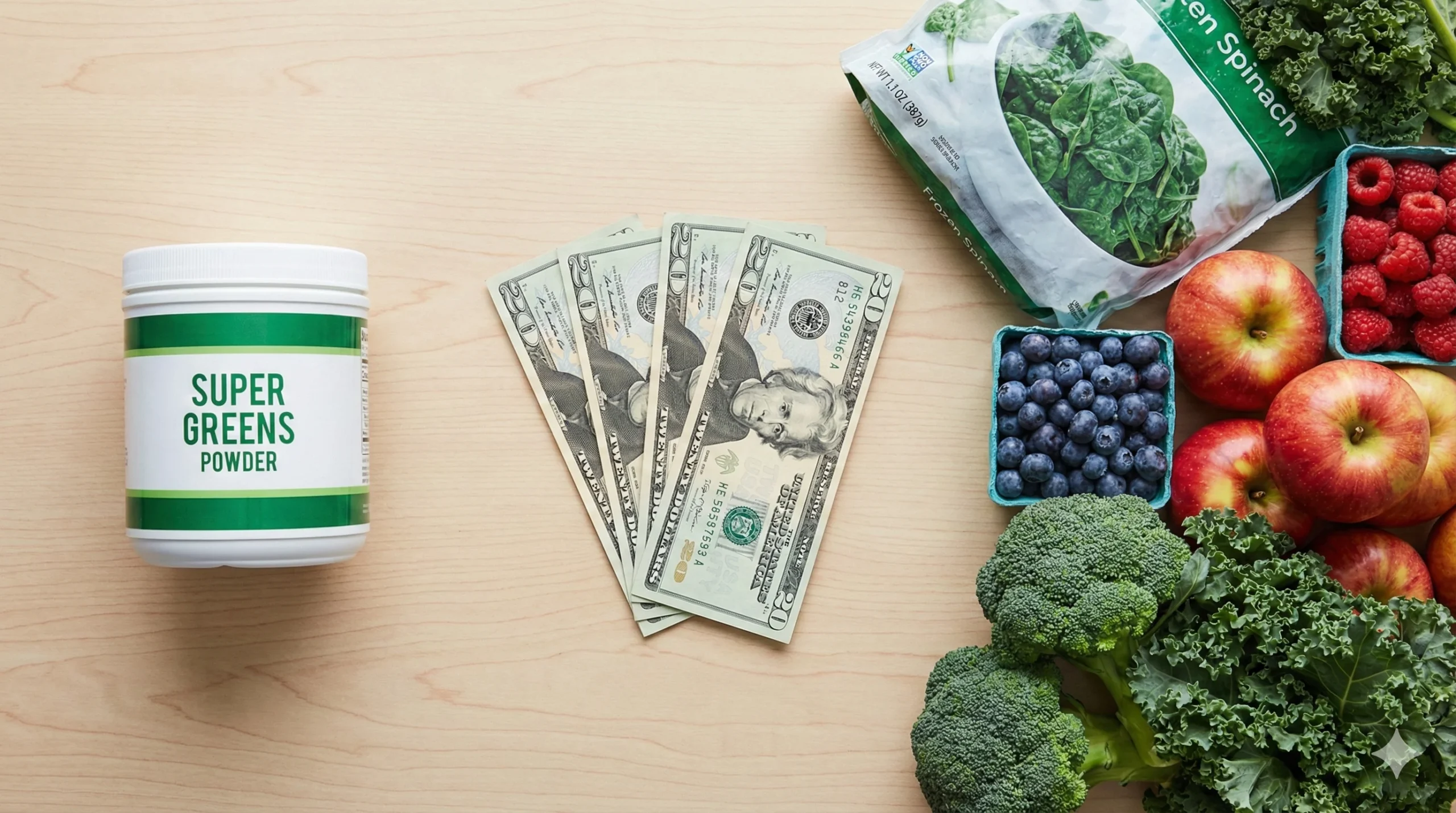
Let’s talk money. A high-quality tub of greens (like Athletic Greens/AG1 or similar competitors) can cost anywhere from $40 to $100 USD per month.
Is that a good investment? Let’s look at the numbers.
The $80 Math: Powder vs. Plate
With $80, you can buy a staggering amount of real, nutrient-dense food.
| Feature | Greens Powder ($80/month) | Real Food ($80/month) |
| Volume | ~30 Scoops (Powder) | Kilos of frozen spinach, berries, broccoli, apples. |
| Fiber Content | Low (~2g per serving) | High (Unlimited, depending on intake) |
| Satiety | None (Liquid) | High (Keeps you full for hours) |
| Taste | “Grassy/Earthy” masked with sweeteners | Fresh, varied, natural textures. |
| Nutrient Absorption | Variable (processed/synthetic mix) | Optimal (Synergistic natural matrix) |
| Additives | Sweeteners, gums, stabilizers | None (Just the food) |
The Financial Reality: With that same budget, you could buy a high-quality multivitamin (much cheaper) and pounds of frozen vegetables and berries. You would do 90% of the work for a fraction of the price.
🛍️ Mini Buying Guide: If You MUST Buy One
If you are determined to try a greens powder despite the drawbacks, don’t just buy the one with the best Instagram ads. Look for these 3 critical factors:
- Transparency (No Proprietary Blends): Avoid brands that hide ingredient amounts behind a “Superfood Blend” label. You need to know exactly how many milligrams of Ashwagandha or Spirulina you are actually getting.
- Third-Party Testing: Since the supplement industry is loosely regulated, look for stamps like NSF Certified for Sport or Informed Choice. This ensures the green powder isn’t contaminated with heavy metals (common in plant-based powders).
- Sugar & Sweeteners: Check the label. Some “healthy” greens are packed with 5g+ of sugar to hide the taste. Stick to brands with <1g of sugar per serving.
🥬 Greens Powders & Alternatives
The unfiltered truth. Only buy these if you are a frequent flyer or a "vegetable hater."
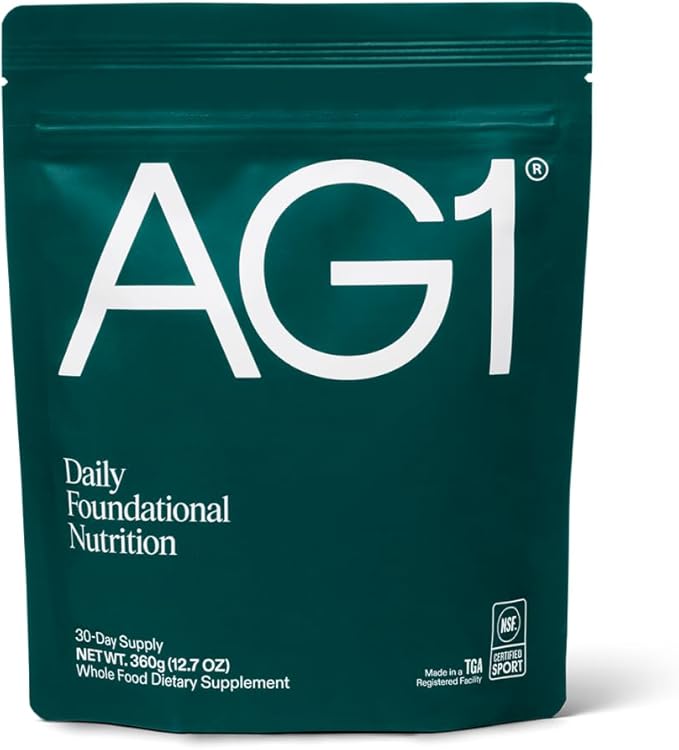
Athletic Greens (AG1)
The market leader for a reason. Expensive, but a true safety net for travel. If you can't eat real veggies, this is the best "nutritional insurance."
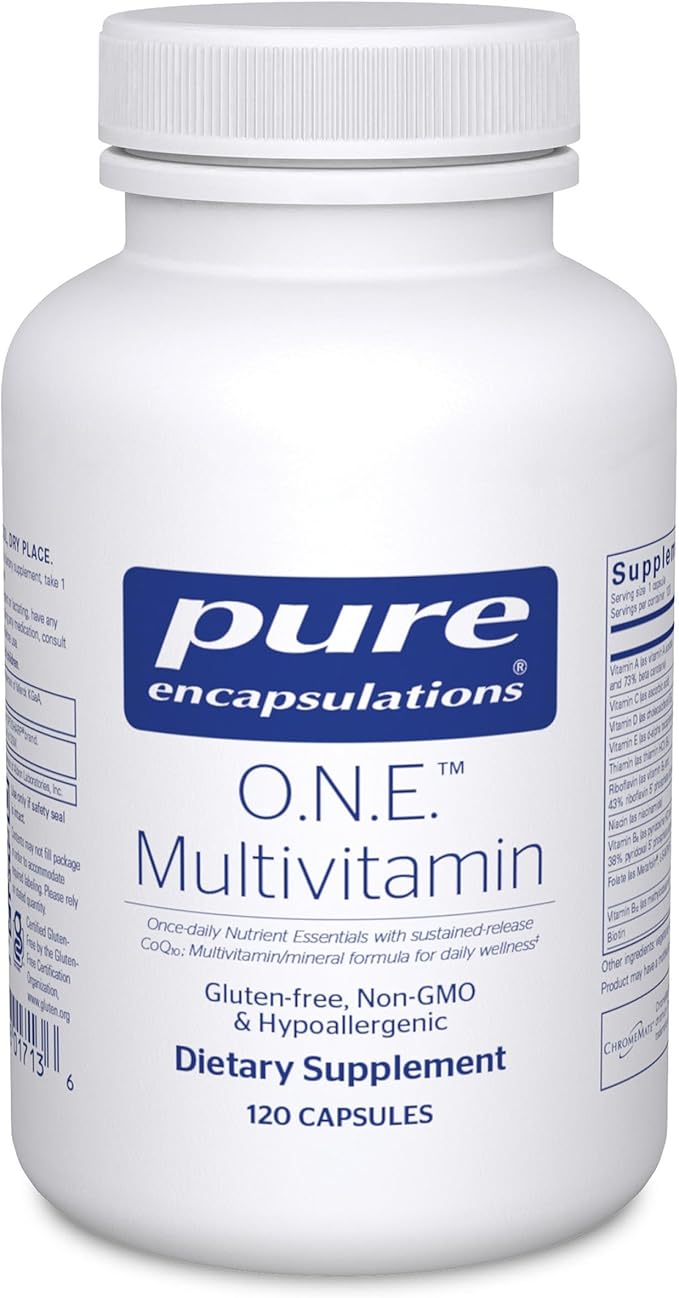
High-Quality Multivitamin
The "Financial Reality." Costs a fraction of greens powders ($20 vs $80). Covers your micronutrient bases without the grassy taste or gritty texture.
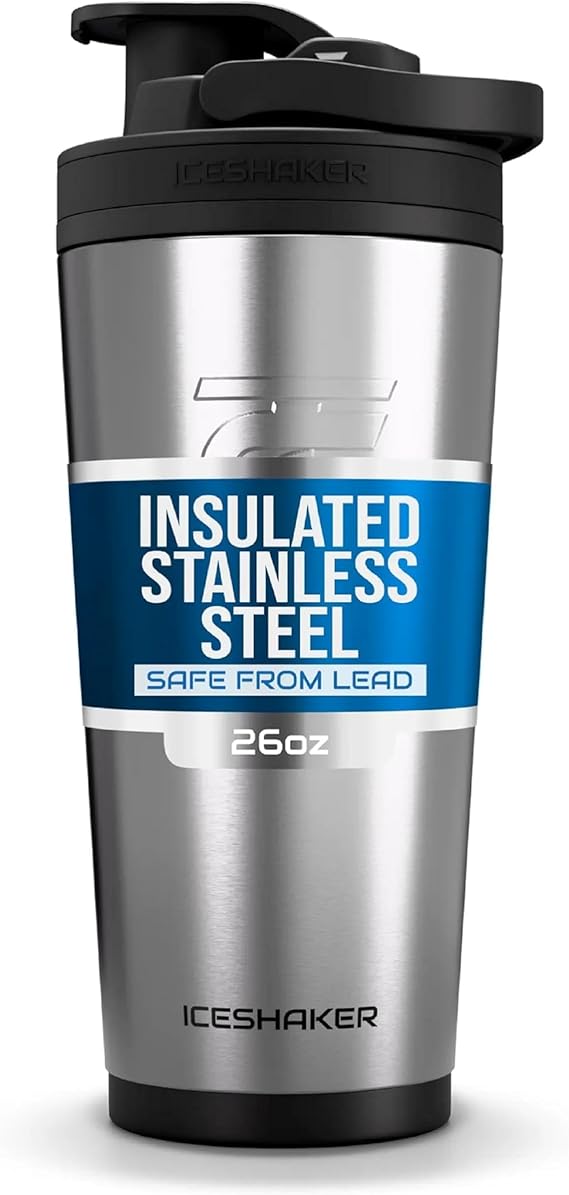
Shaker w/ Metal Ball
Mandatory for greens. Without this, you're drinking "gritty swamp water." The metal ball breaks up clumps that spoons simply can't handle.
Who Should Actually Buy Them? (The Only 2 Use Cases)
Despite the criticism, I don’t think they are useless. I view them as “nutritional accident insurance.” They are worth the money in exactly two specific scenarios:
-
✈️ The Frequent Flyer: If you live in airports and hotels where the only vegetable available is a sad piece of lettuce on a burger, a greens powder is a lifesaver. It bridges the gap when real food isn’t an option.
-
🥦 The “Vegetable Hater”: There are adults who have a visceral gag reflex to vegetables. If you physically cannot eat broccoli without vomiting, then yes, chugging a “bitter shot” in 10 seconds is better than eating zero micronutrients.
Final Verdict
Are greens powders a scam? No. But are they a replacement for a healthy diet? Absolutely not.
If you have disposable income and want a safety net for days you eat poorly, go ahead. But if you are looking for real health:
- Buy a decent multivitamin (it’s cheaper).
- Eat an apple and a handful of spinach.
- Drink a glass of water.
You will achieve better health results without having to swallow something that tastes like a garden hose.
Frequently Asked Questions (FAQ)
Q: Do greens powders help with weight loss?
A: Not directly. While they are low in calories, they don’t provide the satiety of real food. If drinking them replaces a high-calorie sugary breakfast, you might lose weight due to a calorie deficit, but the powder itself isn’t a fat burner.
Q: Can I take greens powders instead of a multivitamin?
A: Usually, yes. Most greens powders are essentially multivitamins with some added dried vegetable matter and probiotics. Taking both is often redundant and a waste of money, unless your doctor advises otherwise.
Q: Why do I feel bloated after drinking my greens?
A: This is likely due to the probiotics or high concentrations of inulin/prebiotics. Your gut bacteria are fermenting these rapidly, causing gas. Try reducing the dose to half a scoop until your body adjusts.
Q: Does heating greens powder destroy the nutrients?
A: Yes, it can. Many vitamins (like Vitamin C) and enzymes contained in raw greens powders are heat-sensitive. Avoid mixing your greens into hot tea or coffee; stick to cold or room-temperature water.
Related posts: 🔥 You might also like…

Compound vs. Isolation Ratio: The Ultimate Guide to Maximizing Hypertrophy (The 75/25 Rule)
Compound vs. Isolation Ratio: The Ultimate Guide to Maximizing Hypertrophy (The 75/25 Rule)In the...

Calisthenics vs. Weights: Which Builds Muscle Faster? (The Honest Truth)
Calisthenics vs. Weights: Which Builds Muscle Faster? (The Honest Truth)If you are looking for a...

Rucking for Weight Loss: Why Walking with Weight Works (The Ultimate Guide)
Rucking for Weight Loss: Why Walking with Weight Works (The Ultimate Guide)You might have seen...