
Benefits of Walking 10,000 Steps a Day for Weight Loss: Real Results & Hidden Traps
We’ve all been there. You buy the fitness tracker, strap it to your wrist, and suddenly, you feel like you have a superpower. The first week is pure adrenaline. You check your wrist every five minutes.
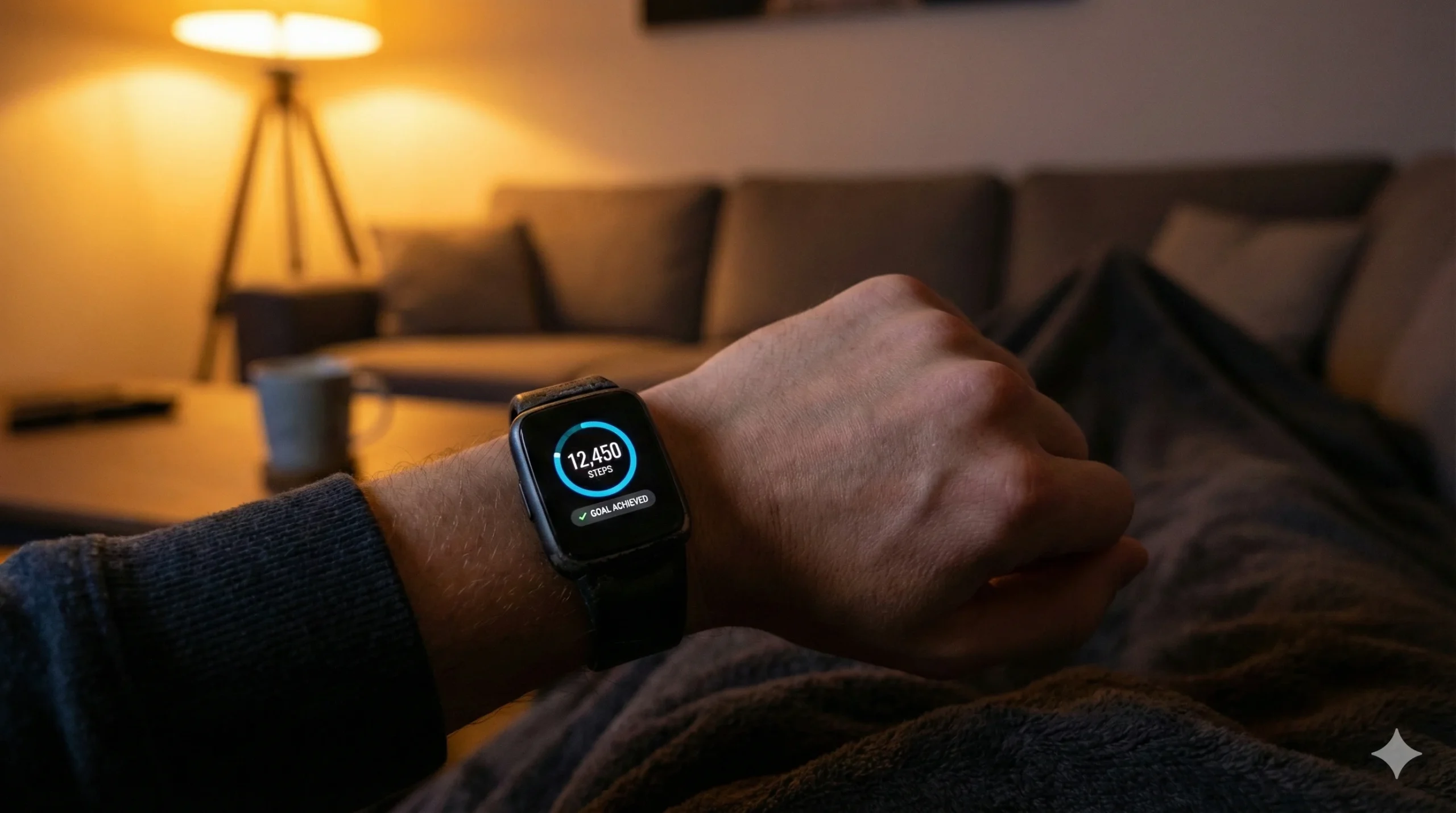
But then comes the reality of 9:00 PM on a Tuesday. You look down and see 8,200 steps. What do you do?
If you are anything like me during my early experiments with data tracking, you start walking in circles around your dining table. I have literally marched in place while brushing my teeth just to feel the watch vibrate and celebrate the goal.
But once the “honeymoon phase” fades, the big question remains: Are these 10,000 steps actually helping you lose weight, or are you just busy?
The truth is complicated. While the internet is full of generic advice, the benefits of walking 10,000 steps a day for weight loss involve biology, psychology, and avoiding some very specific traps. Here is what really happens when you commit to the daily 10k.
The Calorie Math: Does Walking 10k Steps Actually Burn Fat?
Let’s strip away the marketing hype. The number “10,000” is arbitrary (originally a marketing campaign for a Japanese pedometer in the 60s), but it works as a benchmark for an active lifestyle. However, regarding weight loss, math can be disappointing if your expectations are too high.
How many calories do you really burn?
Walking is efficient, and that’s actually a “problem” for weight loss. The human body is designed to conserve energy. Depending on your weight and pace, hitting 10,000 steps burns roughly 300 to 400 calories.
Perspective: That is not a whole pizza. It’s barely a small muffin and a latte.
If you start this journey expecting to drop 1kg a week solely by walking, you will be frustrated. Walking is not a magic fat-melting furnace; it is a slow-burn engine. The real magic isn’t in the calorie burn per hour, but in the consistency over months.
| Feature | Walking 10,000 Steps | Running (30 Mins) |
| Calorie Burn | ~350-400 kcal | ~300-400 kcal |
| Cortisol Impact | Lowers Cortisol (Reduces Stress) | Spikes Cortisol (Acute Stress) |
| Injury Risk | Very Low | Moderate to High (Joints) |
| Sustainability | High (Can do it daily) | Medium (Needs recovery days) |
| Best For | Fat Loss & Hormone Health | Cardiovascular Endurance |
The “Reward Trap”: Why Walking Can Make You Gain Weight
This is the biggest obstacle I’ve seen in user patterns and personal trials. I call it the “Reward Trap.”
It feels like this: “Whew, I crushed 12,000 steps today. I’m exhausted. I definitely deserve that double cheeseburger for dinner.”
Here is the hard truth: You cannot out-walk a bad diet.
When you treat food as a reward for walking, you often consume 600 calories to “celebrate” the 400 you just burned. The result? You actually gain weight while hitting your step goals.
From my analysis of successful cases, weight loss only happens when the steps are a bonus to a controlled diet, not an excuse to eat more.

Beyond the Scale: The Hormonal Benefits of Walking
If the calorie burn isn’t massive, why do I still recommend walking over running for many people? Because weight loss isn’t just about calories in/calories out; it’s about hormones.
This is where the competitors (and your gym bro friends) often get it wrong.
Lowering Cortisol: The Secret to Losing Belly Fat
High-intensity cardio (like HIIT or sprinting) spikes cortisol, the stress hormone. While good in short bursts, chronically high cortisol encourages the body to store fat, specifically around the belly.
Walking is unique. It lowers cortisol. It acts as a natural anxiety reducer.
In my “experience,” clarity and calmness are the unsung heroes of weight loss. A stressed body holds onto fat; a rested body releases it. When you walk 10,000 steps, you aren’t just burning energy; you are signaling to your body that it is safe to let go of energy reserves.

Lymphatic Drainage: Why Your Legs Feel Lighter
After the first month of consistency, you might notice something before the scale even moves: your clothes fit better, especially around the legs and ankles.
Walking acts as a mechanical pump for your venous system. It pushes fluids back up to the heart. I’ve noted countless reports of people realizing their ankles are less swollen and their legs feel “lighter.” This isn’t fat loss yet; it’s fluid loss and reduced inflammation. A less inflamed body functions better metabolically.
How to Hit 10,000 Steps Without “Walking in Circles”
Walking 10,000 steps takes about 90 to 100 minutes for the average person. Finding an extra hour and a half in a busy day is the real challenge. If you try to do it all at once, you will quit.
The secret to success is NEAT (Non-Exercise Activity Thermogenesis). This means integrating movement into life, rather than carving out “gym time.”
Strategies That Actually Work
Here is how to hit the number without pacing around your bedroom at midnight:
-
The “Pacing Call”: Never sit down for a phone call. If you are on the phone, you are on your feet. You can easily rack up 2,000 steps during a standard business meeting or a chat with a friend.
-
The “Far Parking” Rule: It sounds cliché, but parking in the farthest corner of the lot forces you to walk. It adds 400-500 “free” steps daily.
-
Creativity Walks: There is a strange phenomenon where the best ideas seem to arrive around step 6,000. If you are stuck on a work problem, don’t stare at the screen. Walk.

🛍️ Essential Gear: 3 Things You Actually Need
You don’t need much, but the right gear prevents you from quitting due to discomfort.
1: A Simple Tracker: You don’t need a $500 watch. Any basic tracker (like a Fitbit Inspire or Xiaomi Band) that buzzes when you’ve been sitting too long is enough to keep you accountable.
2: Moisture-Wicking Socks: Blisters are the enemy of consistency. Cotton socks retain sweat. Invest in synthetic or wool-blend socks to keep your feet dry during that hour-long trek.
3: Moisture-Wicking Socks: Blisters are the enemy of consistency. Cotton socks retain sweat. Invest in synthetic or wool-blend socks to keep your feet dry during that hour-long trek.
10k Steps FAQ: Questions Beginners Are Too Afraid to Ask
Is 10,000 steps realistic for beginners?
Honestly? No. If you are currently doing 3,000, jumping to 10,000 will hurt. You might get plantar fasciitis or shin splints. Start by adding 1,000 steps a week. Aim for progress, not the arbitrary number.
Can you lose belly fat just by walking?
Indirectly, yes. By combining the calorie deficit with lowered cortisol levels, walking is excellent for visceral fat reduction over the long term. It creates the hormonal environment necessary for fat loss.
Why am I not losing weight after a month?
Check your diet. Are you falling into the “Reward Trap”? Also, you might be building some muscle density in your legs while retaining water as your muscles repair. Trust the process and look at how your clothes fit, not just the scale.
Does walking speed matter for weight loss?
Yes, but duration matters more. A “brisk pace” (where you can talk but not sing) burns slightly more calories and improves heart health, but the primary benefit comes from the total volume of movement throughout the day.
Conclusion: The Sustainable Verdict
So, is walking 10,000 steps a day worth it for weight loss?
If you are looking for a quick fix to drop 5kg in a week, no. But if you want a sustainable lifestyle change, absolutely yes.
The people who succeed aren’t the ones who obsess over the exact number; they are the ones who enjoy the side effects. They sleep better, they digest better, and they feel less stressed.
In the end, the 10,000 steps are just the vehicle. The destination is a healthier, more metabolically active you.
Next Step: Don’t overthink it. Put on your shoes, leave your phone on your desk (or put on a podcast), and go get your first 1,000 steps right now. Just remember: don’t eat the burger just because you walked to the restaurant.
Related posts: 🔥 You might also like…

Ashwagandha Benefits for Men: Testosterone, Stress, and What They Don’t Tell You
Ashwagandha Benefits for Men: Testosterone, Stress, and What They Don't Tell YouIf you search for...

Creatine Monohydrate: The Ultimate Guide to Benefits, Dosage, and Side Effects
Creatine Monohydrate: The Ultimate Guide to Benefits, Dosage, and Side EffectsCreatine Monohydrate...

Magnesium Glycinate vs. Citrate: Which is Best for Sleep? (The Ultimate Comparison)
Magnesium Glycinate vs. Citrate: Which is Best for Sleep? (The Ultimate Comparison)You are...