Best Barefoot Shoes for Lifting and Gym: 2025 Buyer’s Guide
If I had to summarize the difference between lifting in standard gym sneakers versus the best barefoot shoes for lifting in one sentence, it would be this: It’s like taking off boxing gloves to play the piano; suddenly, you feel everything.
For years, the gym industry sold us “support” in the form of thick, squishy foam heels. But if your goal is to move serious weight in the squat rack or on the deadlift platform, that cushion is your enemy. You don’t want a pillow under a 300lb barbell; you want concrete stability.
This guide cuts through the marketing hype. We analyzed top contenders from specialized brands like Vivobarefoot and Xero, alongside mainstream options, combining biomechanical data with real-world gym testing to bring you the best barefoot shoes for lifting in 2025.
Why Lift Barefoot (or Close to It)? The Biomechanical Truth
The primary goal when lifting heavy—especially in compound movements like squats, deadlifts, and overhead presses—is stability and force transfer.
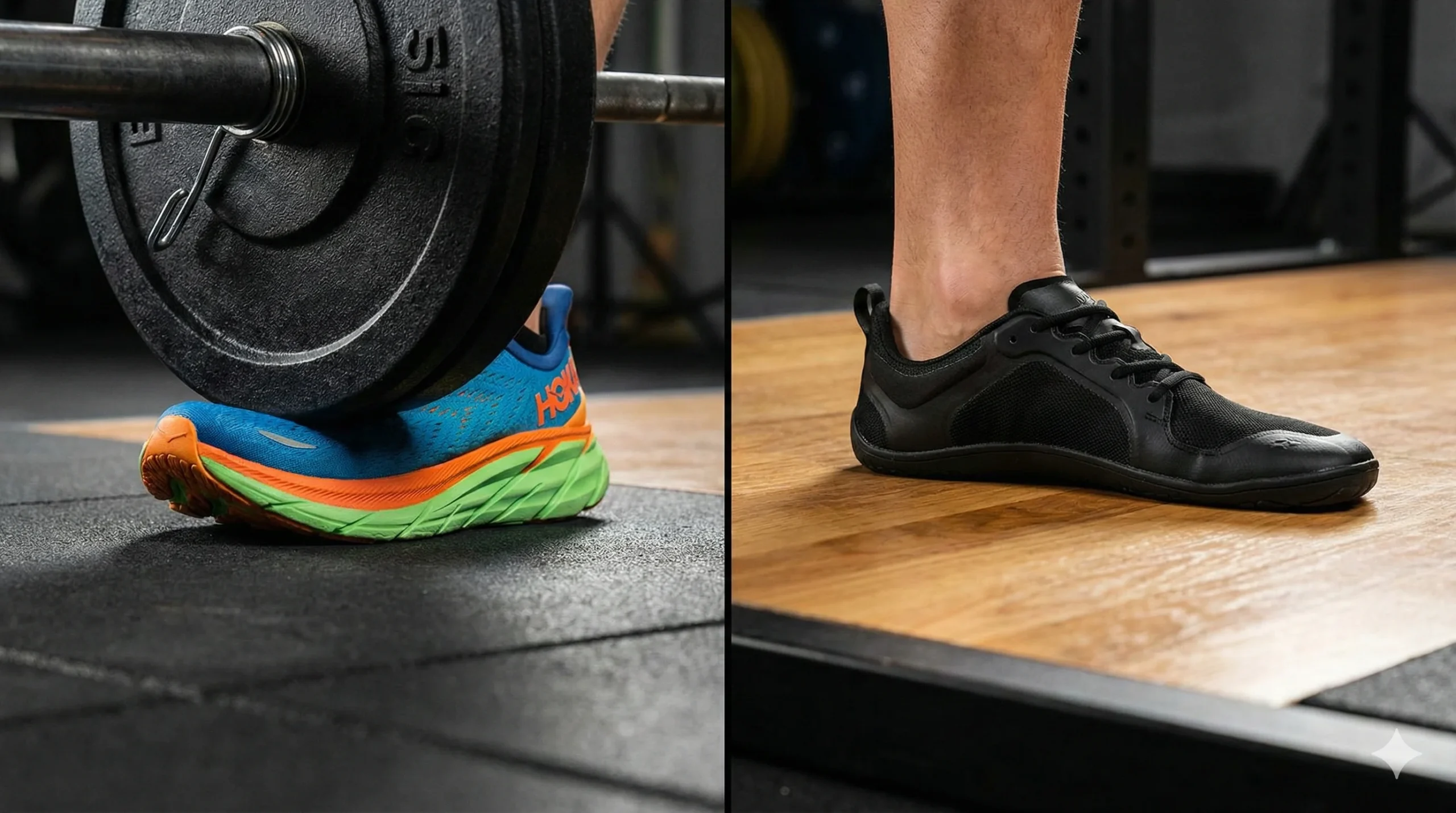
Most commercial “training” shoes have a significant heel-to-toe drop (usually 8-12mm) and thick EVA foam midsoles designed to absorb impact during running. When you squat heavy in these, you are essentially standing on a tiny, unstable water mattress.
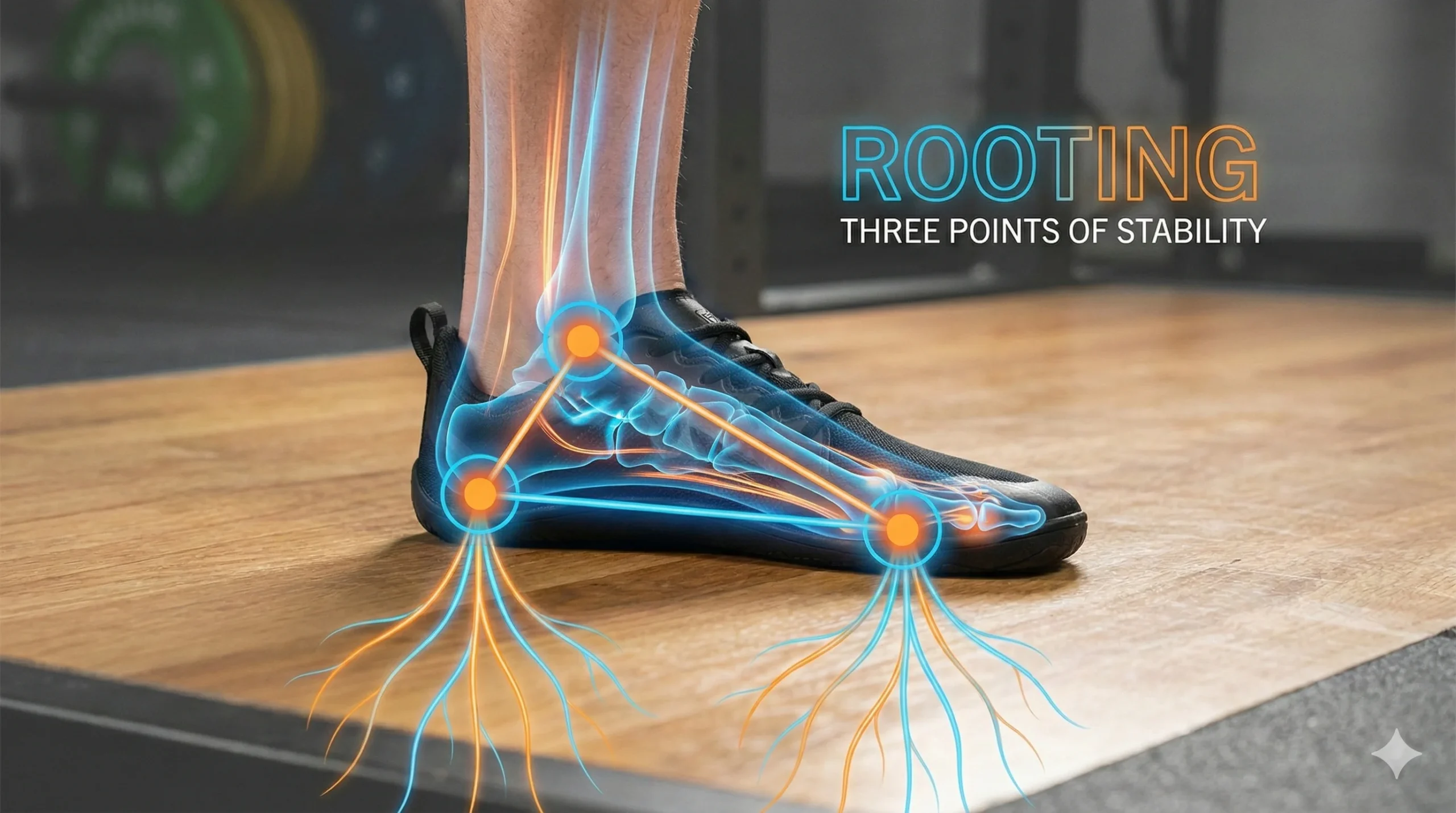
The “Tripod” Effect and Propioception
Switching to a barefoot or minimalist shoe changes the game instantly because of proprioception—your body’s ability to sense its position in space via sensory feedback from the feet.
Squats and Deadlifts: The Night and Day Difference
The impact on specific lifts is undeniable:
-
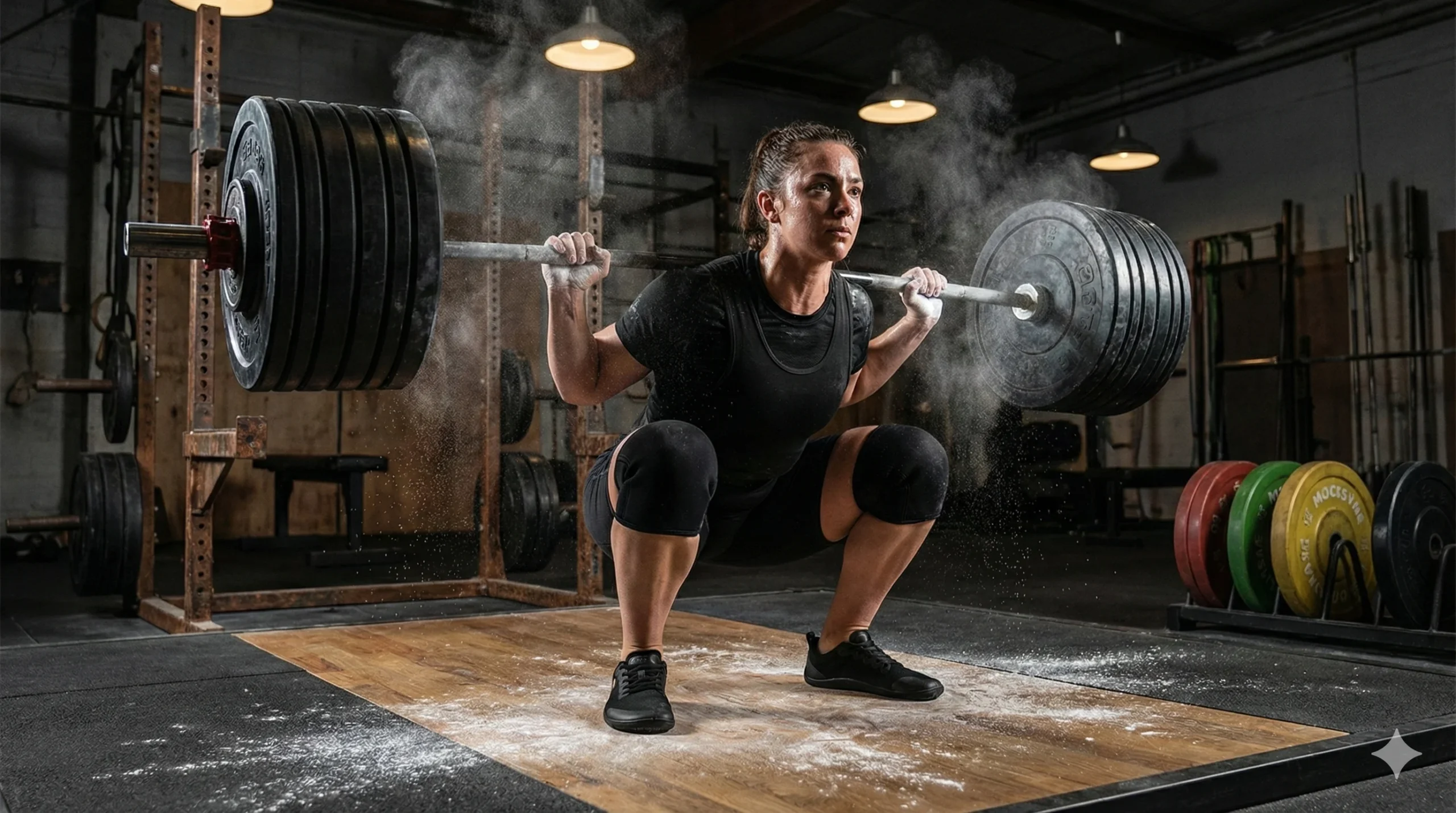
Squats: Without a compressible sole, you lose zero energy. Every ounce of force you drive through your legs goes directly into the floor to move the bar up. While a flat sole requires better ankle mobility than a raised weightlifting shoe, the stability is unmatched.
-
Deadlifts: This is pure physics. A 3-4mm sole means you are physically closer to the ground than in a standard sneaker. This shortens the range of motion. Furthermore, the zero drop keeps your weight from shifting forward, helping maintain a neutral spine and engaging the posterior chain more effectively.
At a Glance: Standard Trainers vs. Barefoot Lifting Shoes
Here is a quick visual summary of why the switch matters for your lifts:
| Feature | Standard Running/Training Shoe | Barefoot/Minimalist Lifting Shoe | Impact on Lifting |
| Sole Material | Soft, thick foam, compressible. | Hard, thin (3-5mm), dense rubber. | Barefoot: Maximum force transfer, no instability under heavy loads. |
| Heel Drop | 8-12mm (elevated heel). | 0mm (completely flat). | Barefoot: Better posterior chain engagement in deadlifts. |
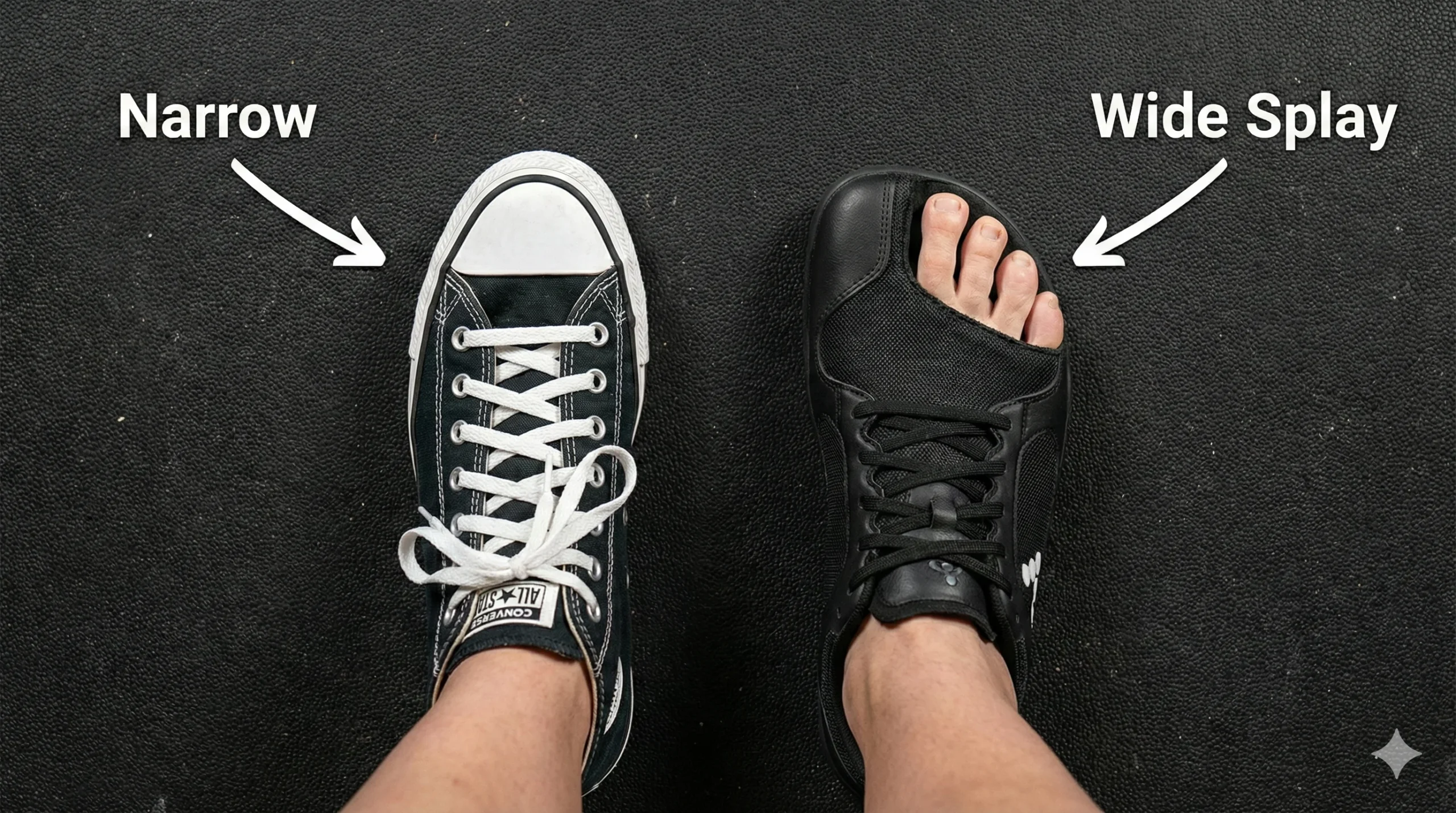
| Toe Box | Narrow, tapered (squishes toes). | Wide, anatomical shape. | Barefoot: Allows “toe splay” for a wider, more stable base of support. |
| Feedback | Numb / Muted. | High sensory feedback. | Barefoot: Immediate awareness of balance and weight distribution. |
Top Picks: The Best Barefoot Shoes for Lifting (Honest Reviews)
Based on performance, durability, and real-world testing, here is the breakdown of the current market.
1. The “Ferrari” of Barefoot: c (Best Overall)
If budget is less of a concern than peak performance and build quality, the Primus Lite III is the gold standard.
-
The Feel: These offer an incredible balance of ground feel and protection. The sole is razor-thin, providing that essential connection to the platform, but it’s tough. The upper is lightweight and breathable.
-
Gym Performance: They excel across the board, from heavy static lifts to dynamic CrossFit-style movements. The durability is a major plus; they withstand rope climbs and scuffs better than most competitors.
-
The Reality Check: They are expensive. It hurts the wallet initially, but the longevity often justifies the cost.
2. The Workhorse: Xero Shoes Prio (Best Value/Entry Level)
Xero is often the gateway brand for many lifters getting into barefoot training.
-
The Feel: The Prio feels a bit more like a “shoe” and less like a sock compared to the Vivo. They feature reflective straps that connect to the laces, providing excellent midfoot lockdown, which is great for lateral stability.
-
Gym Performance: An excellent all-rounder for general gym work and lifting. They are tough and get the job done without fuss.
-
The Reality Check: Aesthetically, they can look a bit “orthopedic” to some. They also tend to run a bit warmer and can feel slightly more “plastic” than higher-end models, but for the price, their performance is unbeatable.
3. The Deadlift Specialist: Notorious Lift (Best Grip)
These aren’t exactly “shoes” in the traditional sense; think of them as heavy-duty slippers on steroids designed specifically for pulling weight.
-
The Feel: Minimalist structure with an incredibly thin sole.
-
Gym Performance: The grip on these is absurd. If you pull sumo deadlift and worry about your feet sliding wide, these are the solution. You feel fused to the floor.
-
The Reality Check: They are highly specialized tools. They offer zero structure for anything else—do not run in them, and don’t wear them casually. They are gym-bag tools only.
🏆 Top Picks: Best Barefoot Shoes (2025)
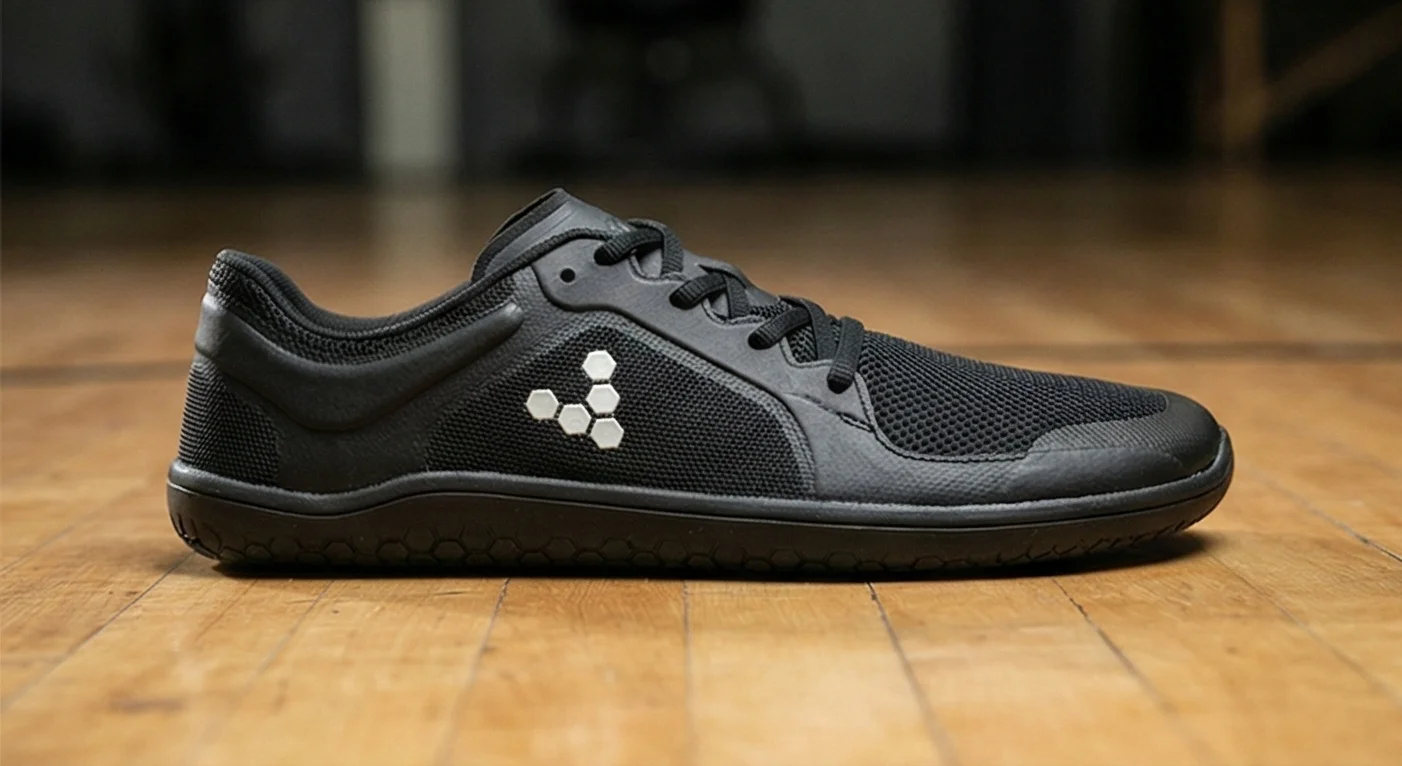
Vivobarefoot Primus Lite III
The 'Ferrari' of minimalist shoes. Maximum sensory feedback, ultra-thin sole, and premium build quality.
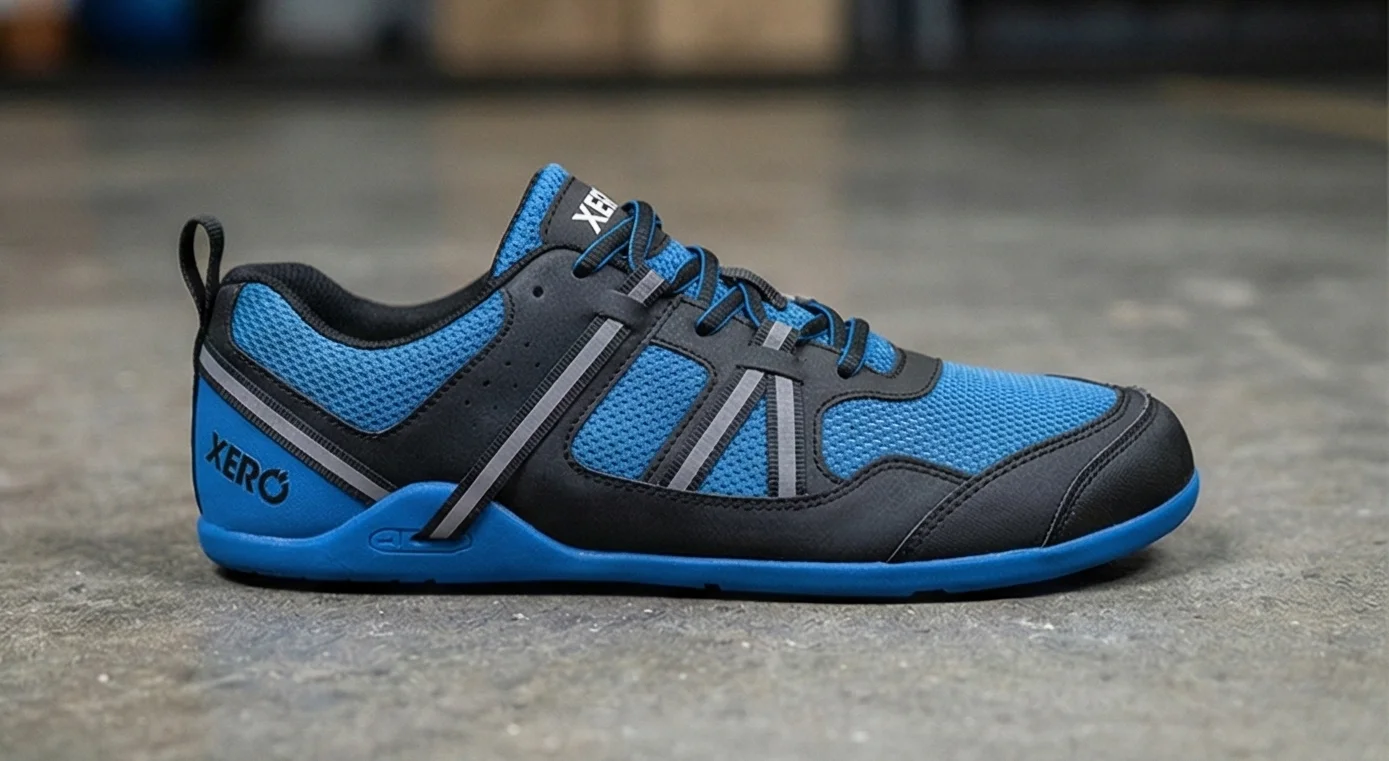
Notorious Lift
The durable, affordable workhorse. Excellent mid-foot lock-down straps. Best entry-level choice for gym.
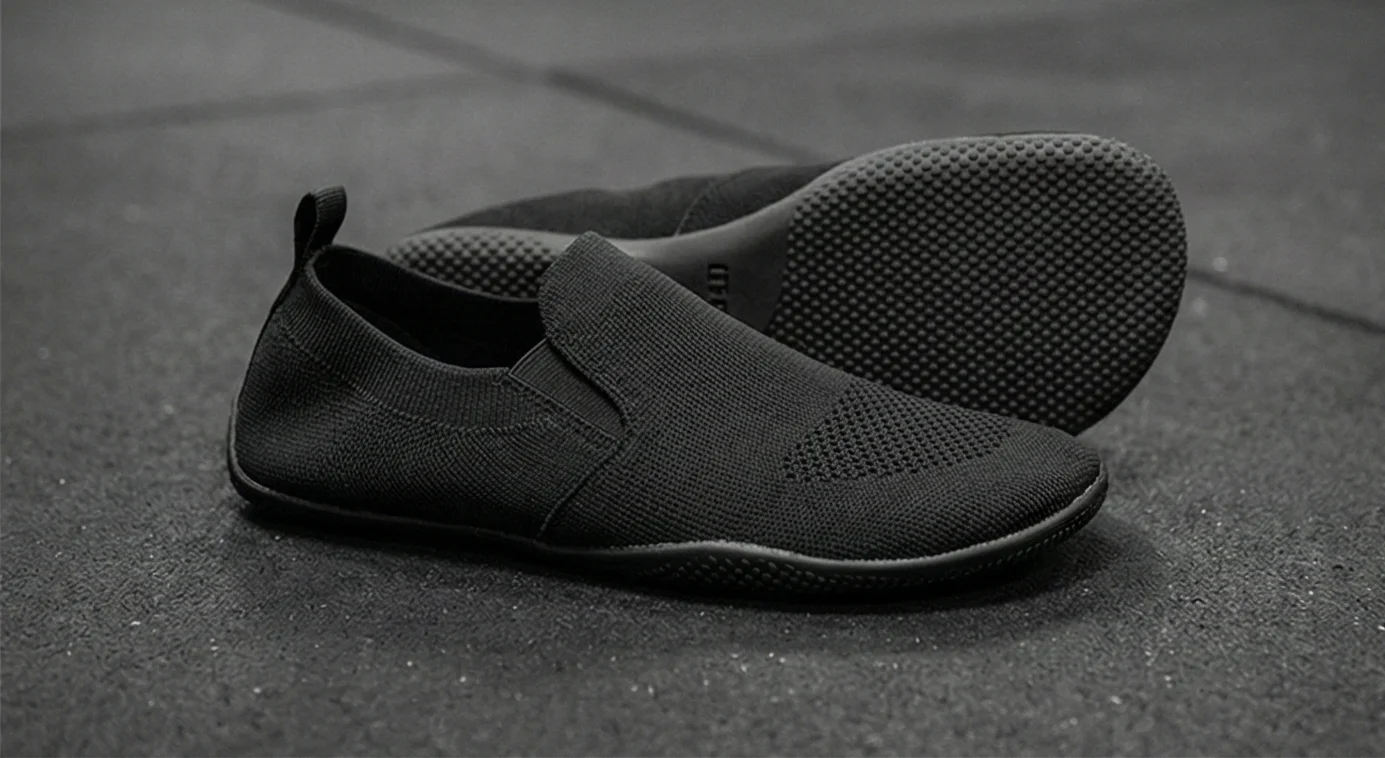
Notorious Lift / Sumo Sole
Specific tool for heavy pulls. Thinnest possible sole with incredible grip. Feels like a second skin.
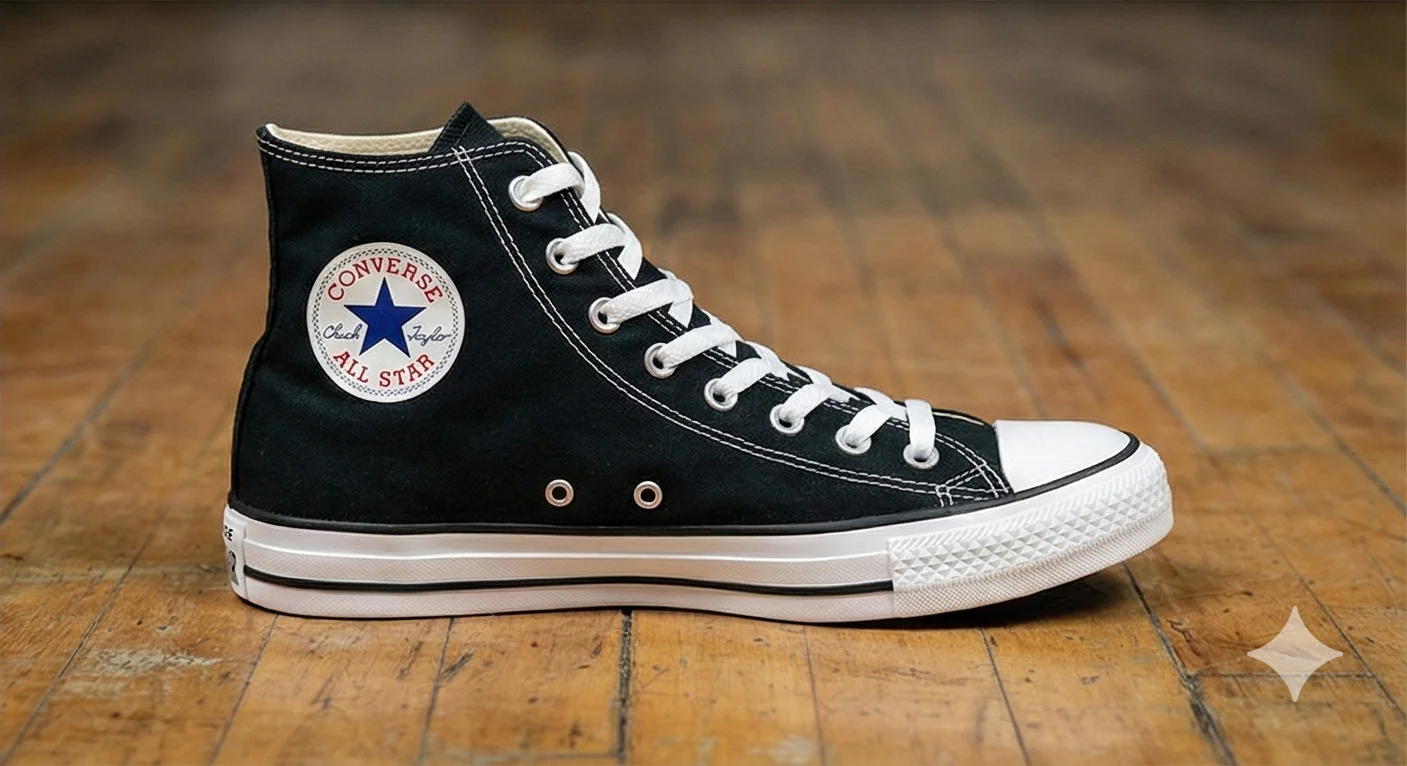
Converse Chuck Taylor
Not 100% barefoot (narrow toe box), but a solid zero-drop classic that is easy to find anywhere.
*Prices and availability subject to change. As an Amazon Associate I earn from qualifying purchases.
The “Fake Barefoot” Myth: What About Converse Chuck Taylors?
Walk into any powerlifting gym, and you will see Chuck Taylors everywhere. Are they barefoot shoes? No, but they are a decent stepping stone.
-
The Good: They are flat (zero drop) and the sole is hard rubber that doesn’t compress much. This makes them vastly superior to running shoes for squatting.
-
The Bad: They fail miserably on the “foot shape” criteria. The toe box is notoriously narrow. Real barefoot shoes allow your toes to splay out; Converse crunch them together. After you experience true toe splay, going back to Converse feels like medieval torture for your pinky toes.
Verdict: Use them if you have them, but don’t mistake them for true minimalist footwear.
Transition Guide: Avoiding Injury in Week One
This is the most critical section of this guide. If you have spent your entire life in supportive, elevated shoes, your feet and ankles are likely weak.
Do not switch 100% overnight.
If you immediately start doing heavy sled pushes, box jumps, and running in barefoot shoes, you will likely develop Achilles tendinitis or severe calf strain.
The Reality of Adaptation
When you remove the heel lift, your Achilles tendon and calf muscles have to stretch further with every step. The first few weeks, you will feel a burning sensation in your calves after workouts. You also realize how hard you “heel strike” when walking; without foam to dampen the blow, heel striking hurts, forcing you to learn a smoother, mid-foot walk.
The “Pro-Tip” for Success
Don’t throw away your old Nikes on day one. Use a gradual approach:
- Weeks 1-2: Wear your barefoot shoes only for your static lifts (squats, deadlifts, presses) where you are planted firmly.
- Weeks 3-4: Start incorporating them into accessory work and short walks.
- Keep the old shoes: Use your cushioned trainers for any cardio, high-impact jumping, or long-duration conditioning until your foot strength catches up.
Buying Criteria: What Matters for Gym Performance
When evaluating other models, keep these two non-negotiables in mind:
1. The Toe Box Test (Splay)
Can you wiggle your toes freely? When you plant your foot and put weight on it, your toes should be able to spread out without hitting the side walls of the shoe. If they can’t splay, you aren’t getting the full stability benefit.
2. Stack Height and Grip
For lifting, lower is better. Look for a “stack height” (total sole thickness) under 6mm. The outsole needs good traction on rubber gym flooring or wooden platforms so your feet don’t slide outwards during heavy squats or sumo deadlifts.
Frequently Asked Questions (FAQs)
Here are the most common questions lifters ask before switching to minimalism.
1. Can I run in barefoot shoes if I buy them for lifting? Technically yes, but proceed with extreme caution. Running barefoot requires a completely different technique (forefoot strike vs. heel strike). If you try to run with your “normal” form in flat shoes, you risk injury. Use them strictly for lifting first, then transition to running over a period of months, not days.
2. Are barefoot shoes good for people with flat feet? Many lifters with flat feet find that barefoot shoes help strengthen the arch over time.
3. Do I need to wear socks with barefoot lifting shoes? It comes down to preference and hygiene. Most barefoot shoes (like Vivo and Xero) are designed with breathable interiors that can be worn sockless. However, for gym hygiene and to prevent odor build-up, wearing thin, low-cut “no-show” socks or toe socks (like Injinji) allows for toe splay while keeping the shoes fresh.
4. Will lifting barefoot help my ankle mobility? Actually, lifting barefoot (zero drop) demands more ankle mobility than wearing raised weightlifting shoes. If you have stiff ankles, you might find squatting deeper harder initially. However, training barefoot can highlight these mobility restrictions, encouraging you to work on them rather than masking them with a heel lift.
Final Verdict: Should You Make the Switch?
Switching to the best barefoot shoes for lifting isn’t just a trend; it’s a commitment to better biomechanics. By ditching the foam, you gain stability, improve your proprioception, and strengthen your feet from the ground up.
If you are ready to buy:
-
Go for Vivobarefoot if you want the premium experience.
-
Grab Xero Shoes if you want a durable workhorse on a budget.
-
Choose Notorious Lift if deadlifting is your primary religion.
Remember to transition slowly. Your feet have been “sleeping” in cushioned shoes for years—give them time to wake up.
Ready to feel the floor? Check the current prices via the links above and start your transition today.
Related posts: 🔥 You might also like…

Ashwagandha Benefits for Men: Testosterone, Stress, and What They Don’t Tell You
Ashwagandha Benefits for Men: Testosterone, Stress, and What They Don't Tell YouIf you search for...
Creatine Monohydrate: The Ultimate Guide to Benefits, Dosage, and Side Effects
Creatine Monohydrate: The Ultimate Guide to Benefits, Dosage, and Side EffectsCreatine Monohydrate...

Magnesium Glycinate vs. Citrate: Which is Best for Sleep? (The Ultimate Comparison)
Magnesium Glycinate vs. Citrate: Which is Best for Sleep? (The Ultimate Comparison)You are...