Best Weighted Vests for CrossFit and Murph Workouts (Tested & Reviewed)
The “Murph” workout (1-mile run, 100 pull-ups, 200 push-ups, 300 air squats, 1-mile run) is the ultimate test of fitness—and your gear. I’ve seen countless athletes buy cheap vests online, only to regret it halfway through the first mile when the straps start cutting off circulation.
If you are searching for the best weighted vests for CrossFit and Murph workouts, specs on a website don’t tell the whole story. You need to know how it feels when your heart rate is 180, you are dripping with sweat, and you still have 100 push-ups to go.
Below is my analysis of the top contenders based on real-world testing, from the “Gold Standard” seen at the Games to the minimalist options built for speed.

🏆 Quick Summary: Top Picks at a Glance
If you are in a rush to buy before Memorial Day, here is the breakdown of the top performers.
| Model | Best For | Comfort (Run) | Stability (Gymnastics) | Rating |
| 5.11 TacTec | Overall / Comfort (The Gold Standard) | ⭐⭐⭐⭐⭐ | ⭐⭐⭐⭐ | ⭐⭐⭐⭐⭐ |
| Rogue Plate Carrier | Speed / Minimalist (Best for Squats) | ⭐⭐⭐ | ⭐⭐⭐⭐⭐ | ⭐⭐⭐⭐½ |
| Condor Sentry | Budget / Beginners (First Murph) | ⭐⭐⭐ | ⭐⭐⭐ | ⭐⭐⭐½ |
🏆 Top Picks: Best Weighted Vests (2025)
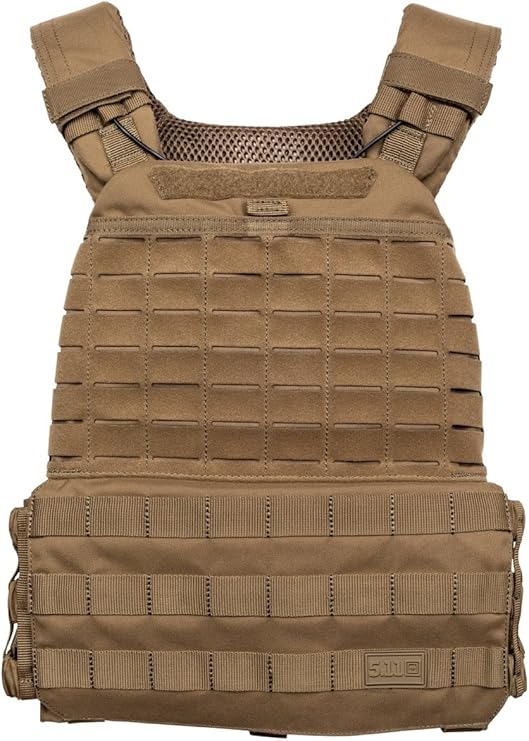
5.11 TacTec
The Gold Standard. Superior comfort for running and gymnastics. Highly adjustable and built for the CrossFit Games.
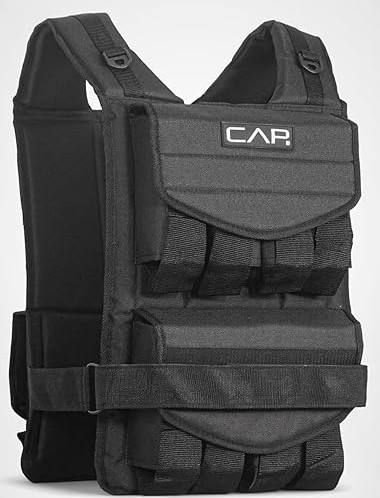
Rogue Plate Carrier
Streamlined design best for Squats and range of motion. Minimal interference, maximum stability.
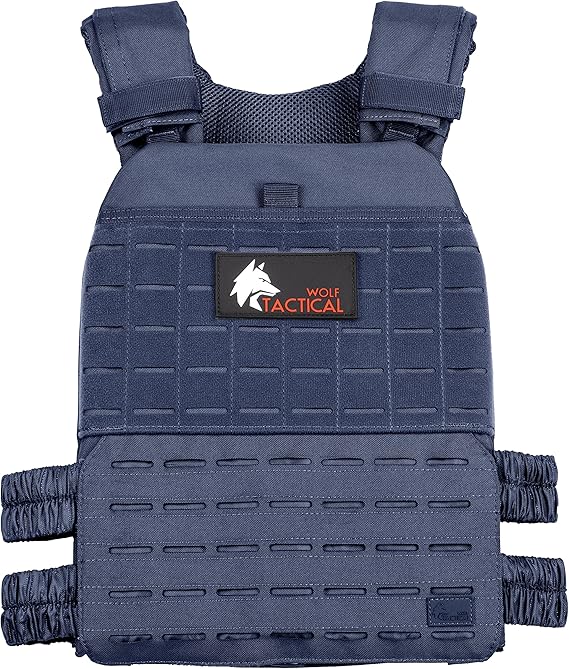
Condor Sentry
The perfect choice for your "First Murph". Lightweight mesh offers breathability at an unbeatable entry-level price.
*Prices and availability subject to change. As an Amazon Associate I earn from qualifying purchases.
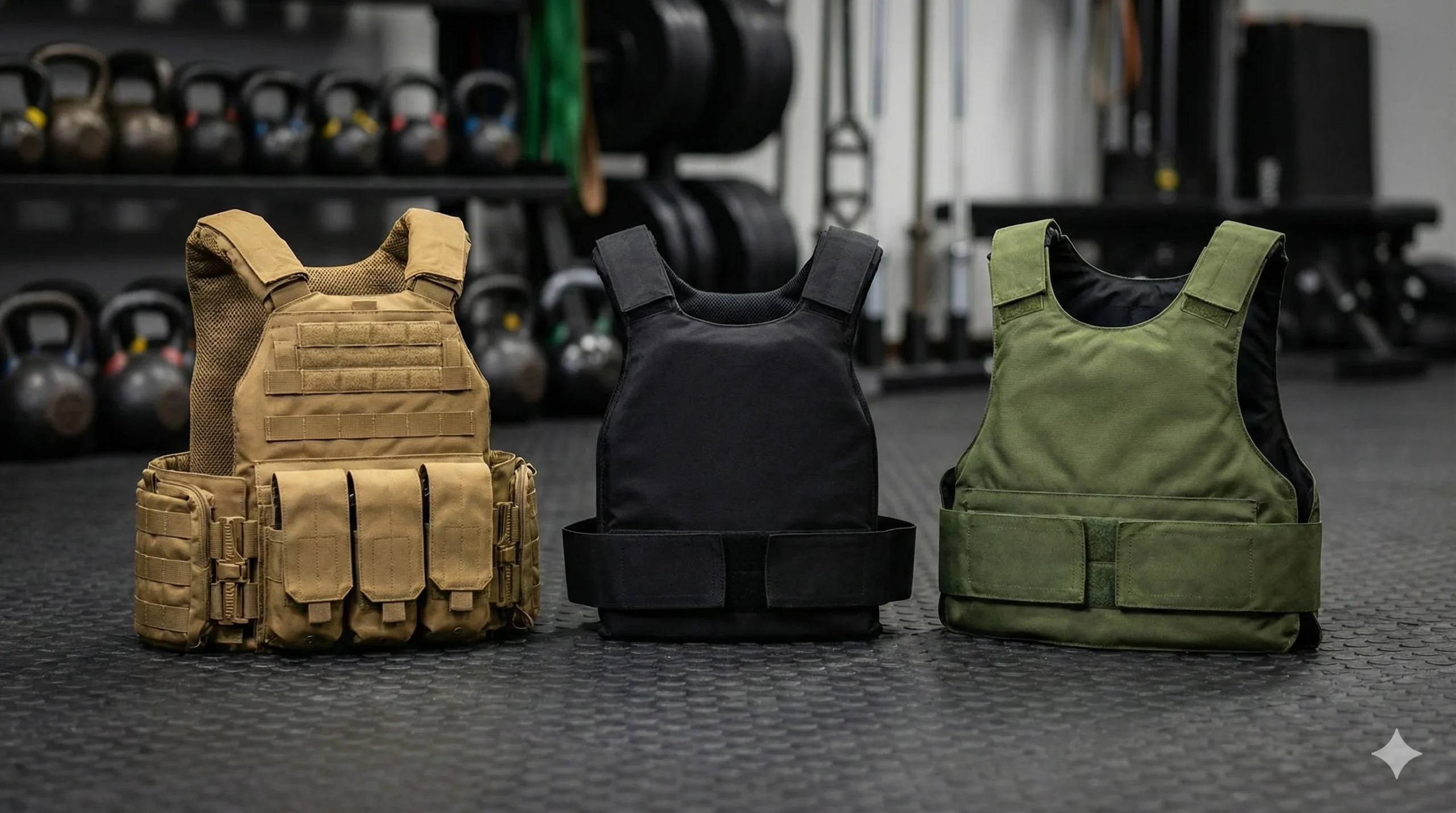
Detailed Reviews: The “Big Three” in the Box
1. The Gold Standard: 5.11 TacTec Plate Carrier
Verdict: The most comfortable option for running and heavy loads, but can feel bulky for smaller athletes.
There is a reason you see this vest everywhere at the CrossFit Games. It is widely considered the “Gold Standard” for a reason.
-
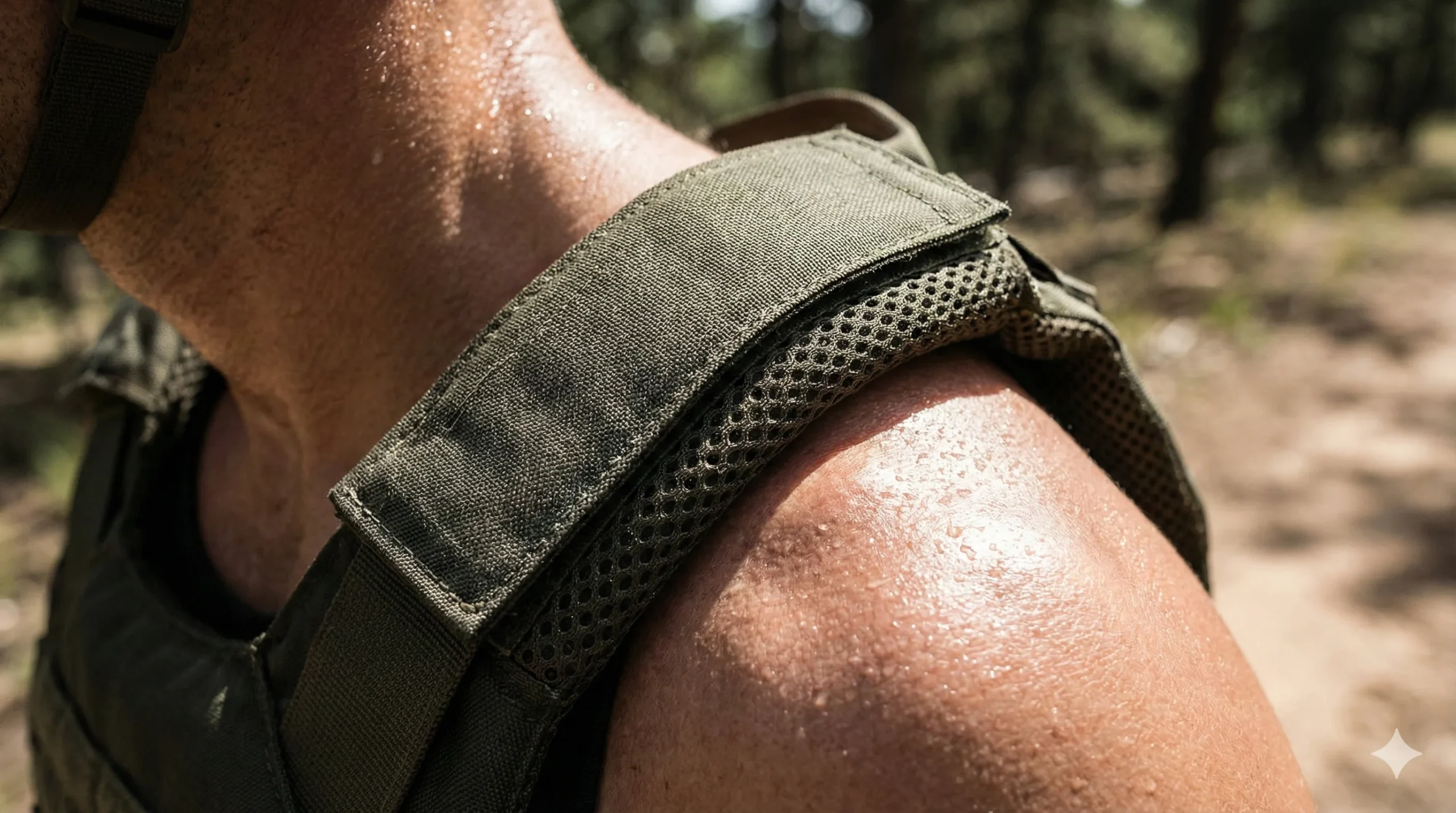
The Real Experience: The standout feature here is the “Yoke” shoulder padding system. In the 1-mile run, this is vital. Many cheaper vests have thin straps that cut into your traps and restrict circulation to your arms. The 5.11 distributes the weight beautifully across your shoulders, making the run significantly more bearable.
-
The Downsides (Murph Reality): However, it isn’t perfect. It is bulky.
-
The “Turtle Shell” Effect: If you have a smaller frame, you might feel like you are wearing a giant shell. In push-ups, the vest is so thick that it might touch the floor before your chest does, technically shortening your range of motion (or forcing you to work harder to get that chest-to-deck standard).
-
Pull-up Clearance: Because the shoulder straps are thick, if you don’t adjust it perfectly, the shoulders of the vest can hit your ears or the rig bar when you chin-over-bar
-
2. The Minimalist: Rogue Plate Carrier
Verdict: Incredible freedom of movement, but sacrifices shoulder comfort.
Rogue released this as a direct answer to the complaints about the 5.11’s bulkiness. It is essentially two pockets for plates and some straps—simple, sleek, and low profile.
-
The Real Experience: The freedom of movement is unmatched. During Air Squats and Push-ups, you barely notice it’s there. It covers much less skin than the 5.11, which means you won’t overheat as quickly in the middle of “Cindy.”
-
The Downsides (Murph Reality): You trade comfort for minimalism.
-
The “Trapezius Bite”: If you wear this shirtless or with a tank top, be careful. The straps are more rigid and can “bite” into the skin of your neck and traps when you are fatigued in the later rounds.
-
The Bounce vs. Breath Paradox: You have to tighten this vest significantly to stop it from bouncing on the run. But if you tighten it too much, it restricts your chest expansion. Finding that sweet spot is tricky.
-

3. The Budget Entry: Condor Sentry
Verdict: A decent starting point for your first year, but lacks long-term durability.
If you don’t want to drop $200+ on a vest, the Condor is the go-to entry-level option.
-
The Real Experience: It does the job if you are just testing the waters. However, after about 20 minutes of intense sweating, you will notice “The Sag.” The material tends to stretch and absorb sweat, causing the vest to loosen and dance around your torso.
-
Pain Point: The plastic buckles are positioned in a way that they sometimes dig into your ribs during Burpees or Push-ups. It’s annoying, but manageable for a beginner.
The “Murph” Reality Check: Things Nobody Tells You
Here is where theory crashes into the reality of the WOD. These are the “pain points” that product descriptions never mention.
1. The “Suffocation Effect” in Push-ups
When you are staring down 200 push-ups, panic can set in. If you use a vest with an elastic cumberbund (like the 5.11), there is a moment where you are gasping for air, your diaphragm tries to expand, but the velcro fights back.
Pro Tip: Never tighten your vest to 100% tension before the workout starts. Leave it at 90%. You need that extra room for your ribcage to expand when you are redlining.
2. The Chin Strike (Pull-ups & Burpees)
If your vest is slightly loose, or if the plates inside aren’t secured tightly (common in the 5.11 if you ignore the internal velcro straps), the front plate will jump up. There is nothing that breaks your concentration faster than a steel plate uppercutting your jaw in the middle of a kipping pull-up. Secure your plates. Use extra tape inside if you have to.
3. Flat vs. Curved Plates: The Real Game Changer
This is arguably more important than the brand of the vest itself. You will choose between Flat or Curved (Anatomical) plates.
-
Flat Plates: They are cheaper. But imagine a flat sheet of steel banging against your chest while you run. It restricts your breathing and compresses your sternum. It is torture on the final mile.
-
Curved Plates: Total game changer. They mold to your chest and back ergonomics. If you are going to invest, spend the extra money on curved plates (like those from Rogue or CATI Armor). Your skin, ribs, and lungs will thank you.

🛍️ Buying Guide: 3 Critical Factors Before You Buy
Before you click “Add to Cart,” consider these three additional factors that often get overlooked but impact your daily training.
1. Material Durability (Abrasion Resistance) CrossFit is messy. You will be dragging this vest through dirt, chalk, and sweat. Look for 500D or 1000D Nylon. Anything less (often found in cheap Amazon clones) will rip as soon as it scrapes against a rig or the floor during a burpee.
2. Padding vs. Heat Retention More padding equals more comfort, but also more heat.
-
If you train in a hot garage or outdoor climate (Texas/Florida), the minimalism of the Rogue carrier might save you from heat exhaustion, even if it’s less comfortable on the shoulders.
-
If you prioritize anti-chafing, the 5.11 is the winner, but be prepared to sweat significantly more.
3. Plate Compatibility Not all plates fit all vests. The Rogue Echo Cast Plates are specific to Rogue carriers. Standard laser-cut steel plates usually fit the 5.11 TacTec. Always check the dimensions. Buying a vest and plates that don’t match is a common and costly rookie mistake.
❓ FAQ: Common Questions About Murph Vests
How heavy should a Murph vest be? The standard Rx weight for the Murph workout is 20 lbs (9 kg) for men and 14 lbs (6 kg) for women. Most vests are sold as “carriers” (just the fabric), so ensure you buy the correct plate weight to reach the total standard.
Does the 5.11 vest fit small people? It is “one size fits most,” but it can be tricky. It has a complex velcro system on the back that allows you to shorten the straps significantly. However, for very petite athletes, the plate itself might feel too long for the torso, making the Rogue Plate Carrier a better fit for smaller frames.
Can I wash my weighted vest? Yes, and you should. After a Murph, these vests become sweat sponges. Remove the metal plates first. Soak the vest in a bathtub with cold water and mild detergent (or antibacterial soap). Scrub the straps, rinse thoroughly, and air dry. Never put it in the dryer, or you risk damaging the velcro and nylon fibers.
Can I use a backpack instead of a vest? Technically yes, but it is not recommended for Murph. A backpack bounces significantly more during the run and shifts dangerously during push-ups and squats, throwing off your center of gravity. A dedicated vest keeps the weight tight to your torso, preventing injury.
Final Verdict: Which One Should You Buy?
Your choice depends entirely on how often you plan to suffer.
-
The “Once a Year” Warrior: If you only do Murph for Memorial Day and rarely touch the vest otherwise, save your money. Buy the Condor Sentry (or a decent Amazon clone). It will survive the day.
-
The Serious Athlete: If you train with a vest weekly and want the best experience, go for the 5.11 TacTec.
Crucial Caveat: Pair the 5.11 with Curved Plates. The combination of the 5.11’s comfortable shoulder yoke and the ergonomics of curved plates is, without a doubt, the best setup existing today.
Related posts: 🔥 You might also like…

Ashwagandha Benefits for Men: Testosterone, Stress, and What They Don’t Tell You
Ashwagandha Benefits for Men: Testosterone, Stress, and What They Don't Tell YouIf you search for...

Creatine Monohydrate: The Ultimate Guide to Benefits, Dosage, and Side Effects
Creatine Monohydrate: The Ultimate Guide to Benefits, Dosage, and Side EffectsCreatine Monohydrate...

Magnesium Glycinate vs. Citrate: Which is Best for Sleep? (The Ultimate Comparison)
Magnesium Glycinate vs. Citrate: Which is Best for Sleep? (The Ultimate Comparison)You are...