
Symptoms of High Cortisol: A Survivor’s Guide on How to Lower It Naturally
Honestly, I didn’t know these were the symptoms of high cortisol. I just knew I was living in a constant state of “alert.”
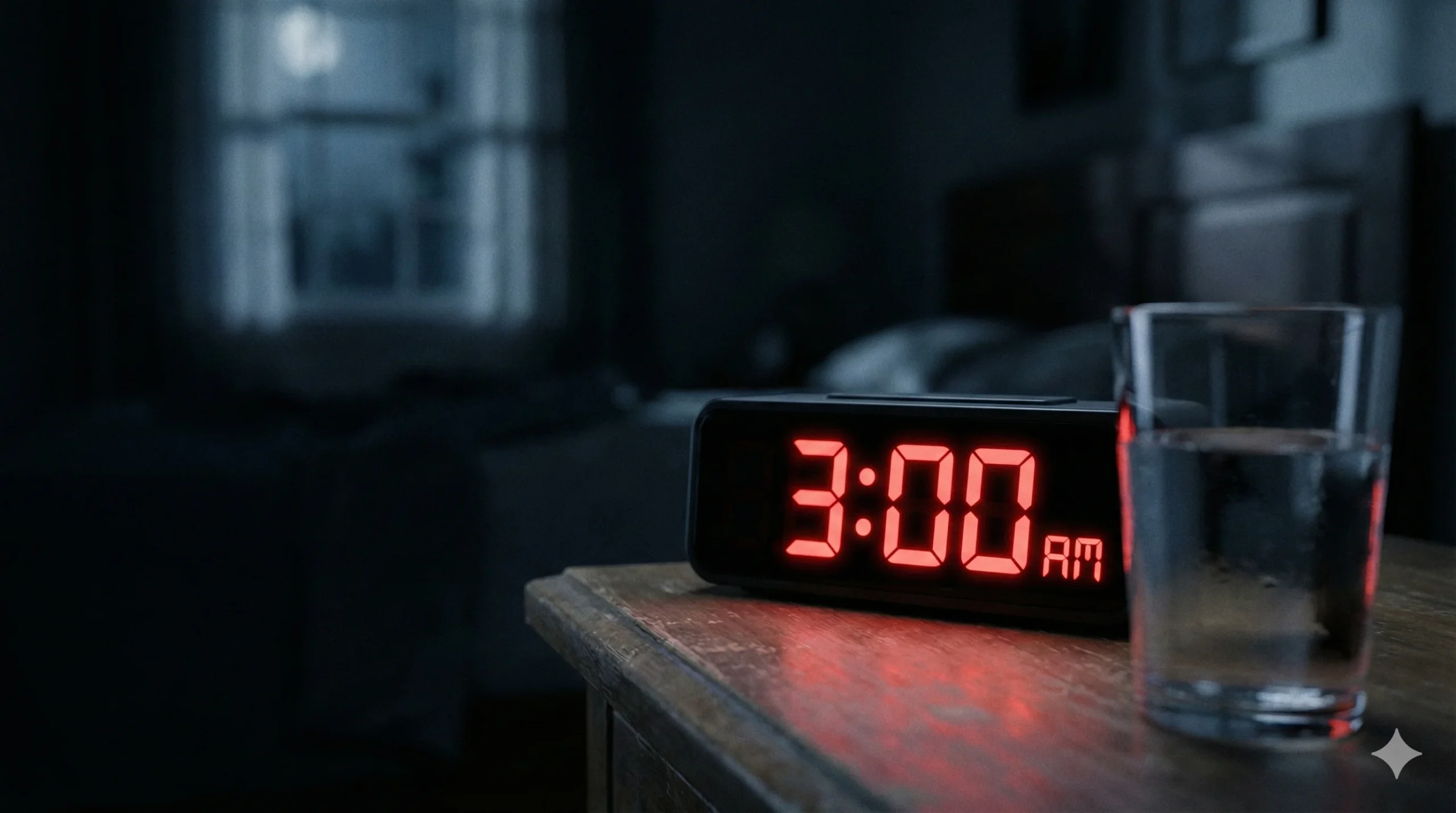
I would wake up at 3:00 AM with my heart racing, mentally drafting emails before the sun was even up. Paradoxically, by 3:00 PM, I needed three coffees just to keep my head off the keyboard. The worst part wasn’t the fatigue; it was the brain fog and the sinking feeling that no matter how much I rested, I never actually recovered.
If this sounds familiar, you aren’t just “stressed.” You might be dealing with a dysregulated HPA axis—commonly known as high cortisol.
While sources like Cleveland Clinic or Healthline will give you a medical definition, they rarely tell you what it actually feels like or why your “clean eating” isn’t working.
I’ve been there—from the “moon face” to the anxiety shivers. Here is everything I learned about the symptoms of high cortisol and the specific, natural protocols that actually helped me lower it.

The “Tired but Wired” Paradox: More Than Just Stress
Cortisol is not the enemy. It is your body’s built-in alarm system. In a healthy rhythm, cortisol peaks in the morning to wake you up and gradually drops throughout the day to let you sleep.
But in our modern lives, that switch gets stuck in the “ON” position.
When I was in the thick of it, I felt like I had a motor running inside my chest. Even when the house was quiet and the kids were asleep, I couldn’t relax. It wasn’t just a mood; it was a physical inability to power down.
This is the hallmark of chronic high cortisol: you are exhausted, but your body thinks it’s fighting a tiger.
7 Physical Symptoms of High Cortisol Levels
High cortisol doesn’t just mess with your mind; it changes your physiology.
1. Unexplained Weight Gain (“Stress Belly” & “Moon Face”)
I was training 5 days a week and eating “clean,” yet the scale kept going up. Specifically, I noticed fat accumulating around my midsection that didn’t match my activity level.
High cortisol triggers the release of glucose (sugar) for energy.

2. The 3:00 AM Wake-Up Call (Insomnia)
This is classic. You fall asleep out of exhaustion, but you wake up abruptly between 2:00 AM and 4:00 AM. This happens because your cortisol spikes too early, or your blood sugar crashes, prompting an adrenaline surge that wakes you up.
3. Severe Sugar and Salt Cravings
By the afternoon, my will power vanished. I wasn’t just hungry; I had an uncontrollable need for sugar or salty snacks. High cortisol messes with insulin sensitivity and depletes electrolytes, leading to intense cravings that a simple apple won’t fix.
4. Brain Fog and “The Jitters”
It felt like navigating through a thick mist. I struggled to focus on simple tasks. Physically, this manifested as a low-grade anxiety—mild tachycardia or trembling hands—even when nothing stressful was happening.
5. Slow Recovery and Muscle Weakness
Despite hitting the gym, my performance plummeted. Instead of getting stronger, I felt destroyed after workouts. Cortisol is catabolic—it breaks down muscle tissue for energy.
6. Digestive Issues (The “Gut-Brain” Axis)
Bloating, indigestion, and IBS-like symptoms often accompany stress.
7. Low Libido and Irritability
I found myself snapping at my family the moment I walked through the door. It wasn’t them; it was my nervous system running on fumes.
How to Lower Cortisol Naturally: Protocols That Actually Work
I tried everything. Most advice was too generic (“just relax”). It wasn’t until I implemented specific protocols that I saw a change.
Here is what worked, divided into Supplements, Nutrition, and Lifestyle.
Protocol 1: The “Ego Check” Exercise Strategy
This was the hardest part. I had to stop the High-Intensity Interval Training (HIIT).
When your cortisol is high, intense cardio adds fuel to the fire. I felt “lazy” doing it, but I swapped HIIT for long walks and Yoga for one month.
-
The Result: My body responded with gratitude. Within weeks, the bloating went down. I learned that my body didn’t need more “war” at the gym; it needed safety.

-
Protocol 2: Targeted Supplementation
Supplements aren’t magic, but they are powerful tools if you use the right forms.
-
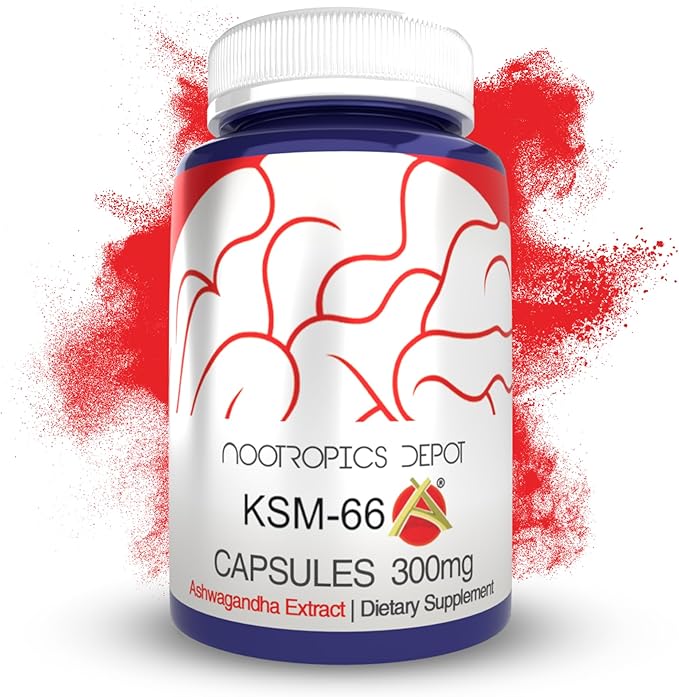
Ashwagandha (KSM-66): I started taking this daily. I was skeptical, but by week three, I noticed a distinct “calm.” Not sedated, just a newfound ability to handle problems without spiraling. Note: Look for KSM-66 extract for standardized potency.
-
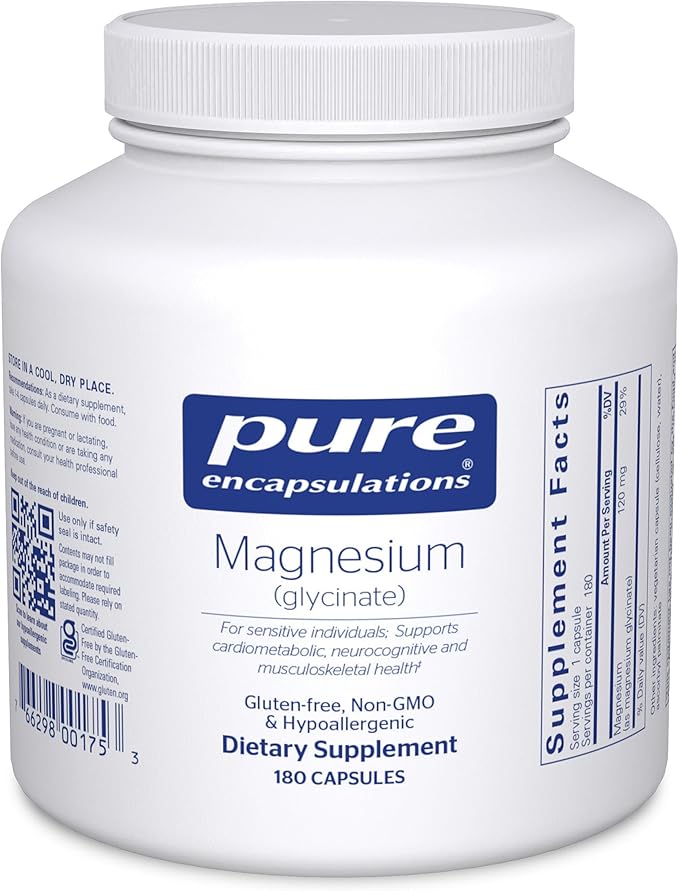
Magnesium Glycinate: Taken before bed. Unlike other forms of magnesium that act as laxatives, Glycinate has a high bioavailability and actively calms the nervous system.
-
Rhodiola Rosea: I used this in the mornings to combat fatigue without the jitters of caffeine.
-
Tulsi (Holy Basil) Tea: My go-to in the evening to lower the “RPMs” before sleep.
-

-
Protocol 3: The “No Coffee After 11 AM” Rule
I loved my caffeine, but it was keeping me in the loop. I set a sacred rule: No coffee after 11:00 AM.
The first week was brutal—I missed that afternoon peak. But eventually, my natural energy rhythm returned. If you must drink something, switch to Green Tea or Matcha, which contains L-theanine to smooth out the buzz.
Protocol 4: Nervous System Regulation
-
Morning Light: Upon waking, I step outside (or look out a window) for 10 minutes. Natural light hits the retina and signals the brain to set the circadian rhythm correctly for the day.
-
Breathwork: I used “Coherence Breathing” (inhale for 5 seconds, exhale for 5 seconds) twice a day. It physically forces the body from sympathetic (stress) to parasympathetic (rest) mode.
-
Comparison: Top Natural Cortisol Reducers
To help you decide where to start, here is a comparison of the tools I used and their primary effects.
| Method / Supplement | Best For… | My Experience / Verdict | Speed of Results |
| Ashwagandha (KSM-66) | Chronic anxiety & “wired” feeling | Game Changer. Reduced my anxiety by ~40%. | 2-4 Weeks |
| Magnesium Glycinate | Sleep quality & muscle tension | Essential for stopping the 3 AM wake-ups. | 1-3 Days |
| Walking (Low Impact) | Visceral fat (Belly) & recovery | Hard on the ego, but best for weight loss when stressed. | 3-4 Weeks |
| Rhodiola Rosea | Morning fatigue & brain fog | Great coffee alternative; clear energy without crash. | Immediate |
| Tulsi Tea | Nighttime wind-down | Gentle support to “shut off” the brain. | Immediate |
Buying Guide: Choosing the Right Cortisol Support
Before you rush to buy supplements, it is crucial to know what to look for to avoid wasting money on ineffective products. Here are 3 critical factors:
- Check the Magnesium Form: Never buy Magnesium Oxide. It is cheap but poorly absorbed and will only cause digestive upset. Always look for Magnesium Glycinate or Bisglycinate for anxiety and sleep support.
- Standardization Matters: For herbs like Ashwagandha, ensure the label says “KSM-66” or specifies the percentage of withanolides (active compounds). Generic root powder is often too weak to lower cortisol effectively.
- Timing is Everything: Don’t take Rhodiola at night (it’s energizing) and don’t take high doses of Magnesium in the morning if it makes you drowsy. Match the supplement to your cortisol rhythm.
🌿 Cortisol Recovery Kit
Natural protocols to fix the "Tired but Wired" state and regulate your HPA axis.
KSM-66 Ashwagandha
Standardized extract. Reduced my anxiety by ~40% in 4 weeks. Best for that constant "wired" feeling without causing drowsiness.
Magnesium Glycinate
The cure for the 3:00 AM wake-up call. Unlike oxide, Glycinate is highly absorbable and actively calms the nervous system.
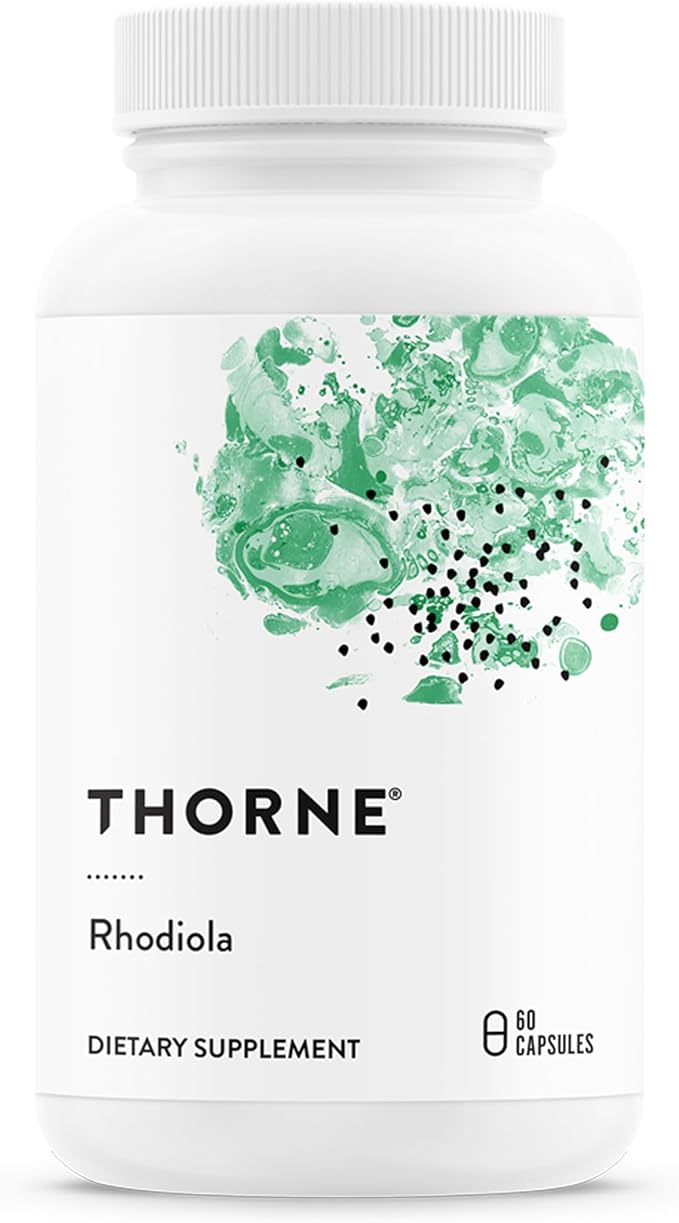
Rhodiola Rosea
The best coffee alternative. Combats morning fatigue and brain fog without the jitters or the afternoon cortisol crash.
FAQ: Common Questions About Reducing Stress Hormones
How long does it take to lower cortisol levels?
In my experience, it’s not overnight. I felt the initial relief from magnesium within days, but the deep shift—where the “brain fog” lifted and the weight started to drop—took about 3 to 4 weeks of consistency.
Does coffee increase cortisol?
Yes. Caffeine stimulates the adrenal glands to release cortisol.
Can I test my cortisol levels at home?
Yes, but blood tests can be tricky since cortisol changes by the minute. Many functional medicine practitioners recommend a 4-point Saliva Test or a dried urine test (DUTCH test), which measures your rhythm throughout the entire day, not just a snapshot.
What are the first signs of high cortisol in women?
Apart from the general symptoms, women often experience irregular menstrual cycles, increased PMS symptoms, and hair thinning (telogen effluvium) due to the hormonal imbalance caused by chronic stress.
Conclusion: Taking Back Control
Lowering cortisol isn’t just about taking a pill or sleeping more; it’s about convincing your body that you are safe.
When I started this journey, I felt like a prisoner of my own nervous system. The remedies above didn’t fix me instantly, but they gave me the ladder to climb out of the hole. Whether you identify with the “tired executive,” the “stalled athlete,” or the “overwhelmed parent,” start with one change today. Maybe it’s the magnesium, or maybe it’s the daily walk.
Your body wants to heal; you just have to give it the pause it’s begging for.
Related posts: 🔥 You might also like…

Ashwagandha Benefits for Men: Testosterone, Stress, and What They Don’t Tell You
Ashwagandha Benefits for Men: Testosterone, Stress, and What They Don't Tell YouIf you search for...

Creatine Monohydrate: The Ultimate Guide to Benefits, Dosage, and Side Effects
Creatine Monohydrate: The Ultimate Guide to Benefits, Dosage, and Side EffectsCreatine Monohydrate...

Magnesium Glycinate vs. Citrate: Which is Best for Sleep? (The Ultimate Comparison)
Magnesium Glycinate vs. Citrate: Which is Best for Sleep? (The Ultimate Comparison)You are...