What is Hyrox? The Ultimate Guide to the World’s New Fitness Race
You walk into the arena. The strobe lights are flashing, the electronic music is thumping in your chest, and the MC is screaming. You feel invincible. The first kilometer of running flies by—you are going faster than you planned. You think, “This is easy, I’m going to crush my PR today.”
Stop right there. That is the first lie of Hyrox. You are borrowing energy you will desperately need in 45 minutes.
If you are asking “What is Hyrox?”, you’ve likely seen the clips on Instagram: athletes pushing sleds, skiing furiously, and collapsing at the finish line. Hyrox is the first mass-participation fitness race that bridges the gap between traditional endurance events (like marathons) and functional fitness (like CrossFit).
It is a global phenomenon, but it is also a trap for the unprepared. Here is everything you need to know to survive your first race, from the “Bermuda Triangle” of the Roxzone to the nightmare of the Wall Balls.

More Than a Race: The Format
Hyrox is standardized globally. Whether you race in London, New York, or Berlin, the course is exactly the same. This allows you to compete against global leaderboards.
The formula is deceptively simple: 1km Run + 1 Functional Workout (x8 times).
That’s a total of 8km of running and 8 punishing workout stations. The average finisher time is around 1h 32m, but elite athletes finish under 60 minutes, while others may take up to 3 hours. There is no time cap.
Who is Hyrox for?
Unlike obstacle course races (OCR), there is no mud, no complex technical skills (like muscle-ups or Olympic lifting), and no scary obstacles.
-
Is it for runners? Yes, but you need strength.
-
Is it for CrossFitters? Yes, but you need a massive aerobic engine.
-
Is it for you? If you train regularly, absolutely.

The 8 Stations: Surviving the “Functional” Trap
The run is the “rest” (ironically). The stations are where the race is won or lost. Based on the collective experience of thousands of athletes, here is what you will actually feel inside the arena.
1. SkiErg (1000m)
You start here. It’s all arms and core.
-
The Mistake: Sprinting. If you spike your heart rate here, you will pay for it on the Sleds.
2. Sled Push (50m)
-
The Reality Check: You arrive at the sled and realize the carpet doesn’t slide like your gym floor. It feels like pushing a car with the handbrake on, uphill.
-
The Feeling: It’s not your arms or legs that fail first; it’s your lungs. Your heart rate skyrockets.
-
The Aftermath: The transition from the Sled Push to the next run is the first time you’ll ask yourself, “Why did I sign up for this?” Your legs will feel like heavy cement.
3. Sled Pull (50m)
A test of posterior chain and grip. It requires a different technique than the push.
-
Pro Tip: Step back, drop your hips, and use your body weight.
4. Burpee Broad Jumps (80m)
The Pace Eater. This is the psychological breaking point for many.
-
The Trap: You look at the end of the lane, and it looks miles away. Every time you jump, the finish line seems to move further.
-
The Fix: Don’t look at the end. Enter a trance. Look one meter in front of your feet. Jump, floor, jump, floor. It’s the only way to survive without burning out.
5. Rowing (1000m)
Ideally, this is a “recovery” station. However, sitting down after burpees feels weird. Keep a steady pace; don’t sprint.
6. Farmers Carry (200m)
You carry two kettlebells (24kg for men, 16kg for women in Open). It sounds easy until your forearms start screaming. If you drop them, picking them back up costs valuable energy.
7. Sandbag Lunges (100m)
This is where the glutes die. You carry a sandbag (10/20/30kg) on your back. It’s a pure grind.
8. Wall Balls (75 or 100 reps)
The Final Boss. Imagine Hyrox is a video game; this is the monster at the end. You arrive with trembling legs after 8km of running and 7 workouts. Now you must squat and throw a 6kg or 9kg ball to a target 100 times.
-
The Nightmare: The most painful sound in the world isn’t your breathing; it’s the judge shouting “NO REP.” Having a rep cancelled when you are at your limit is devastating.
-
The Truth: Strength doesn’t win here; tolerance to suffering wins. It is pure heart.
The Roxzone: The “Bermuda Triangle”
This is the detail few guides mention, but it kills PRs. The Roxzone is the transition area between the running track and the workout stations.
It is chaos. There are athletes crossing paths, judges pointing fingers, and water bottles flying. It is incredibly easy to lose track of where your station is or walk into the wrong lane.
-
The Danger: I’ve seen athletes lose 30-60 seconds just looking for water or walking slowly because they are confused.
-
The Strategy: Train the logistics. Know exactly where you are going before you enter the zone. Mental calm in the Roxzone is worth as much as physical strength.
Hyrox vs. The World: How Does It Compare?
Is it like CrossFit? Is it like a Marathon? Here is the breakdown to help you understand where Hyrox fits in the fitness ecosystem.
| Feature | HYROX | CrossFit | Marathon / Half | Spartan / OCR |
| Primary Focus | Endurance + Functional Strength | Power, Skill & High Intensity | Pure Endurance | Endurance + Obstacles |
| Duration | 60 – 90 mins (Avg) | 5 – 20 mins (WODs) | 2 – 4+ hours | 60+ mins |
| Technical Skill | Low (Basic movements) | High (Gymnastics, Oly Lifting) | Low (Running) | Medium (Climbing, Grip) |
| Consistency | Standardized (Always the same) | Varied (Unknown workouts) | Standard Distance | Varied Terrain |
| Who wins? | The “Hybrid” Athlete | The Explosive Athlete | The Runner | The Agile Runner |

Categories: Finding Your Level
Hyrox is inclusive. You choose your difficulty:
-
Open: The standard weights. Challenging but achievable for most gym-goers.
-
Pro: Heavier weights. For experienced athletes.
-
Doubles: You run together, but you split the workouts (one works, one rests). Great for beginners.
-
Relay: A team of 4. Each person does 2 runs and 2 workouts. Super fast and fun.
“Friend to Friend”: 3 Brutal Truths About Training
If you want to do more than just survive, listen to this advice “from the trenches”:
1. Train “Compromised Running”
Running fresh is easy. But in Hyrox, you never run fresh. You need to train your legs to run after heavy squats.
-
The Sensation: We call it “Jelly Legs.” It feels wobbly and heavy.
-
The Fix: Do a heavy leg workout and immediately go for a 1km run at race pace. Get comfortable with being uncomfortable.
2. The 80% Rule
Never go 100% on a strength station (except maybe the final Wall Balls). If you sprint the SkiErg or the Rower to save 10 seconds, you will likely lose 2 minutes on the next run trying to recover your breath. Steady is fast.
3. Footwear is Everything
Do not use your super-soft marathon shoes with carbon plates. They have zero lateral stability.
-
The Risk: You need traction. Slipping on the Sled Push is a rookie mistake that drains energy.
-
Recommendation: Wear a shoe with a good rubber grip and a slightly firmer sole.
🛍️ Buying Guide: 3 Critical Gear Essentials
Aside from the ticket, there are three investments that can save your race:
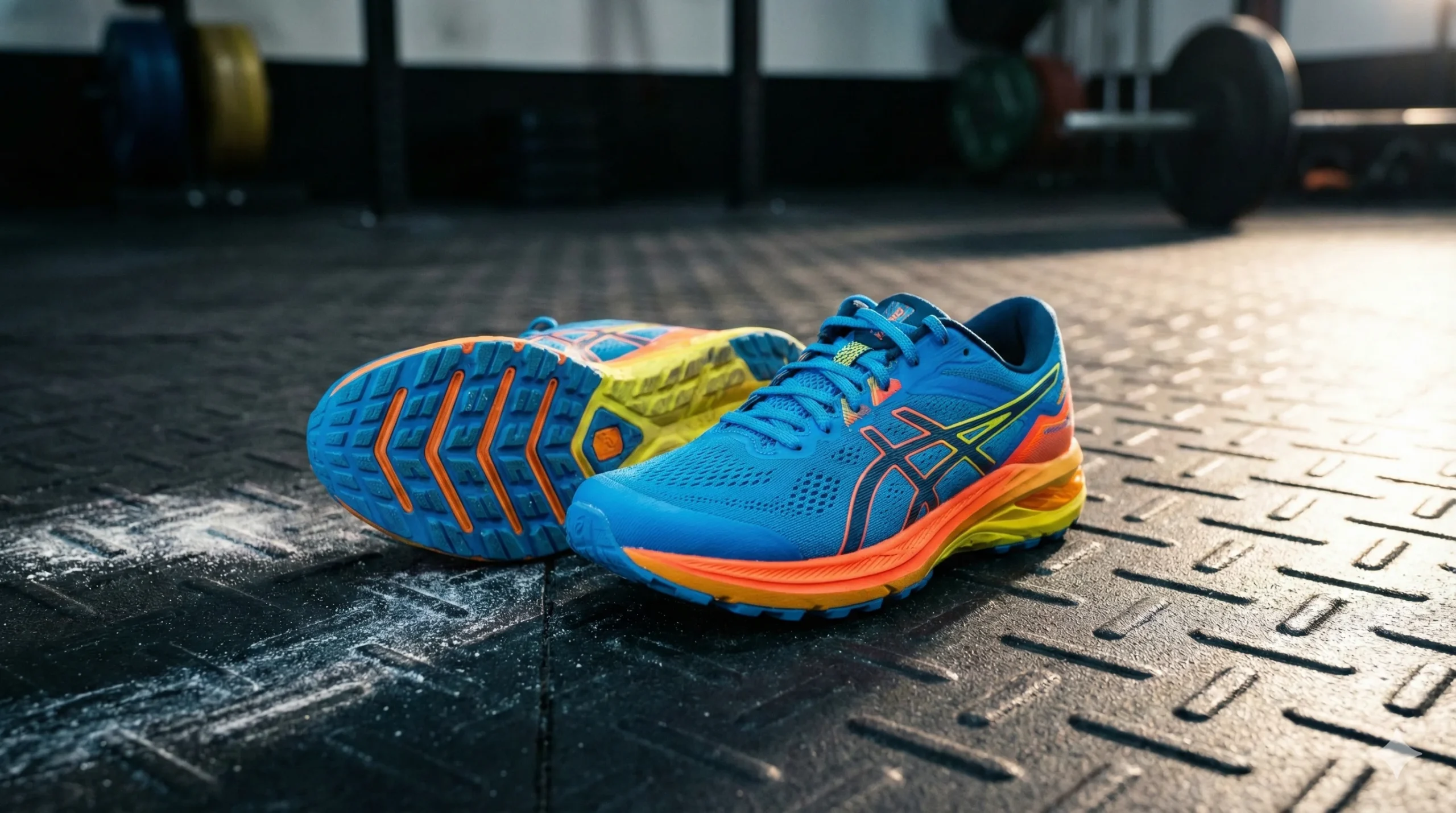
- Hybrid Racing Shoes: As mentioned, avoid high-stack foam. Look for models like the Puma Deviate Nitro, Saucony Endorphin Pro, or Hoka Mach. You need the “sweet spot” between running cushioning and sled-pushing grip.
- Anti-Blister Socks: With 8km of running and heavy lateral friction, cheap cotton socks are a death sentence. Invest in synthetic, sweat-wicking technical socks.
- Intra-Race Fuel (Gels): Even though it’s 90 minutes, the intensity is brutal. Taking a fast-acting carb gel right before Station 5 or 6 can be the fuel you need to avoid blacking out during the Wall Balls.
⚡ 3 Investments to Save Your Race
Aside from the ticket, strictly avoiding cheap gear in these three areas is the difference between a PR and a DNF.
Hybrid Racing Shoes
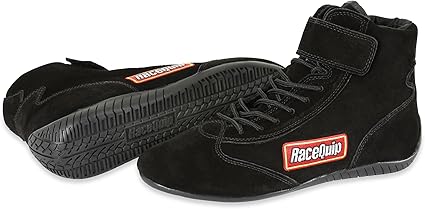
Avoid high-stack foam. Models like the Puma Deviate Nitro or Hoka Mach offer the "sweet spot" between running cushioning and sled-pushing grip.

Technical Socks
With 8km of running + friction, cheap cotton is a death sentence. Invest in synthetic, sweat-wicking technical socks to protect your feet.
Fast-Acting Carbs
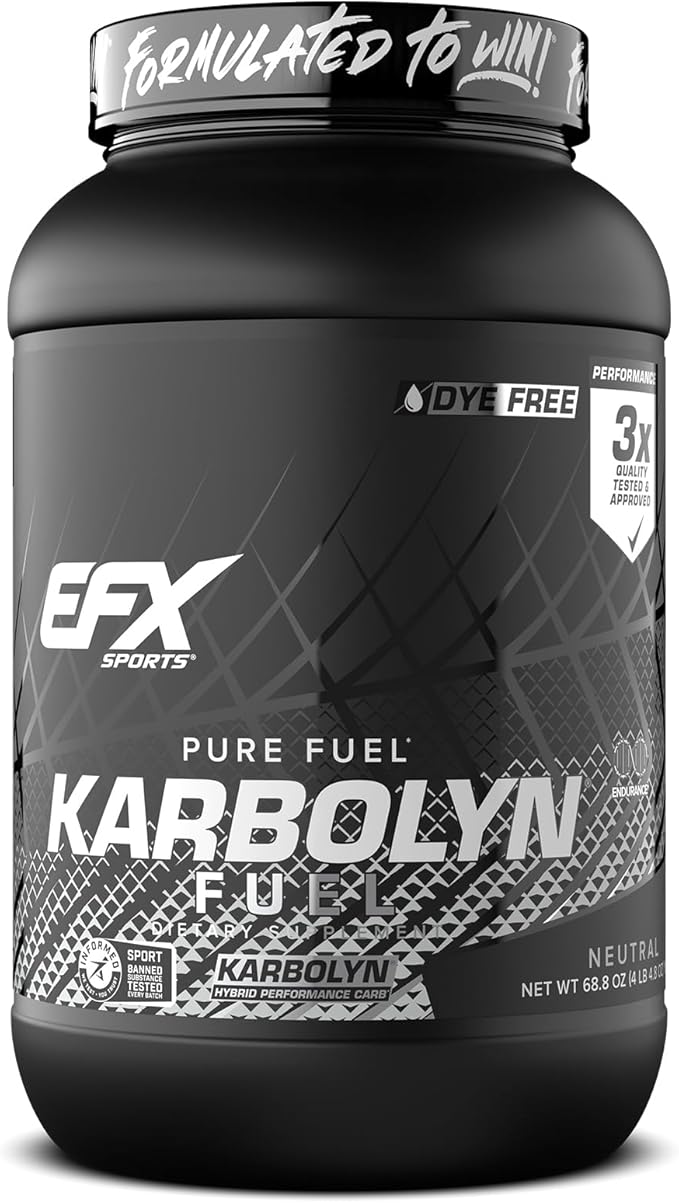
The intensity is brutal. Taking a gel right before Station 5 or 6 provides the immediate fuel needed to avoid blacking out during the Wall Balls.
*Prices and availability subject to change. As an Amazon Associate I earn from qualifying purchases.
❓ FAQ: Common Questions
Do I need to qualify for Hyrox? No. Anyone can sign up for the standard events in cities globally. Only the World Championships require qualification based on your finishing time.
Is there a time cap? No. You can take as long as you need. The culture is supportive—the last finisher gets as many cheers as the first.
What happens if I can’t do a rep? You have to do it. You cannot skip reps or take a penalty (like burpees in Spartan). You stay at the station until the work is done. If you physically cannot move the weight, your race ends there.
How heavy are the sleds? It depends on your category. For example, Women Open push 102kg (incl. sled), while Men Open push 152kg. Always check the official rulebook for your specific category before signing up.
Conclusion
Hyrox is not just a race; it’s a test of overall fitness. It exposes your weaknesses—whether that’s your running engine or your leg strength. But crossing that finish line, after battling the Sleds and the Wall Balls, gives you a rush that few other events can match.
Ready to race? Start training your compromised running today. The arena is waiting.
Related posts: 🔥 You might also like…

Ashwagandha Benefits for Men: Testosterone, Stress, and What They Don’t Tell You
Ashwagandha Benefits for Men: Testosterone, Stress, and What They Don't Tell YouIf you search for...

Creatine Monohydrate: The Ultimate Guide to Benefits, Dosage, and Side Effects
Creatine Monohydrate: The Ultimate Guide to Benefits, Dosage, and Side EffectsCreatine Monohydrate...

Magnesium Glycinate vs. Citrate: Which is Best for Sleep? (The Ultimate Comparison)
Magnesium Glycinate vs. Citrate: Which is Best for Sleep? (The Ultimate Comparison)You are...