Zone 2 Cardio Explained: Why You Should Run Slower to Run Faster
There is a moment in every runner’s life when they realize that “trying harder” is actually making them slower.
I’ve been there. It’s a total battle against the ego. When I first started Zone 2 cardio training, it felt unnaturally slow. My mind kept screaming, “Come on, you can go faster, this is ridiculous.” It is genuinely frustrating to see people walking briskly almost catching up to you, or having to stop and walk on a slight incline just to keep your heart rate from spiking.
But here is the truth: to build a Ferrari engine, you first need to build a massive chassis. That is exactly what Zone 2 cardio is.
In this guide, we will break down the science, the struggle, and the incredible benefits of running slower, combining top-tier research with real-world experience.

What Is Actually “Zone 2” Training?
Zone 2 is often called the “aerobic base” zone. It is the intensity level where your body relies primarily on fat oxidation for fuel rather than glycogen (sugar).
While it might feel like you aren’t doing much, physiologically, there is a construction site inside your body. You are increasing your mitochondrial density. Think of mitochondria as the tiny power plants in your cells. Zone 2 training multiplies these power plants and makes them more efficient.
The “Silent Work”
Coming from a “No Pain, No Gain” mentality, it’s easy to feel like this training is a scam. I used to finish 60-minute sessions without gasping for air or feeling my legs burn, thinking, “Is this actually improving my endurance?”
The answer is yes. Although you don’t feel the muscular burn (lactate), your cells are working at maximum efficiency. It is silent work that pays off later.
The Speed Paradox: 3 Benefits of Slowing Down
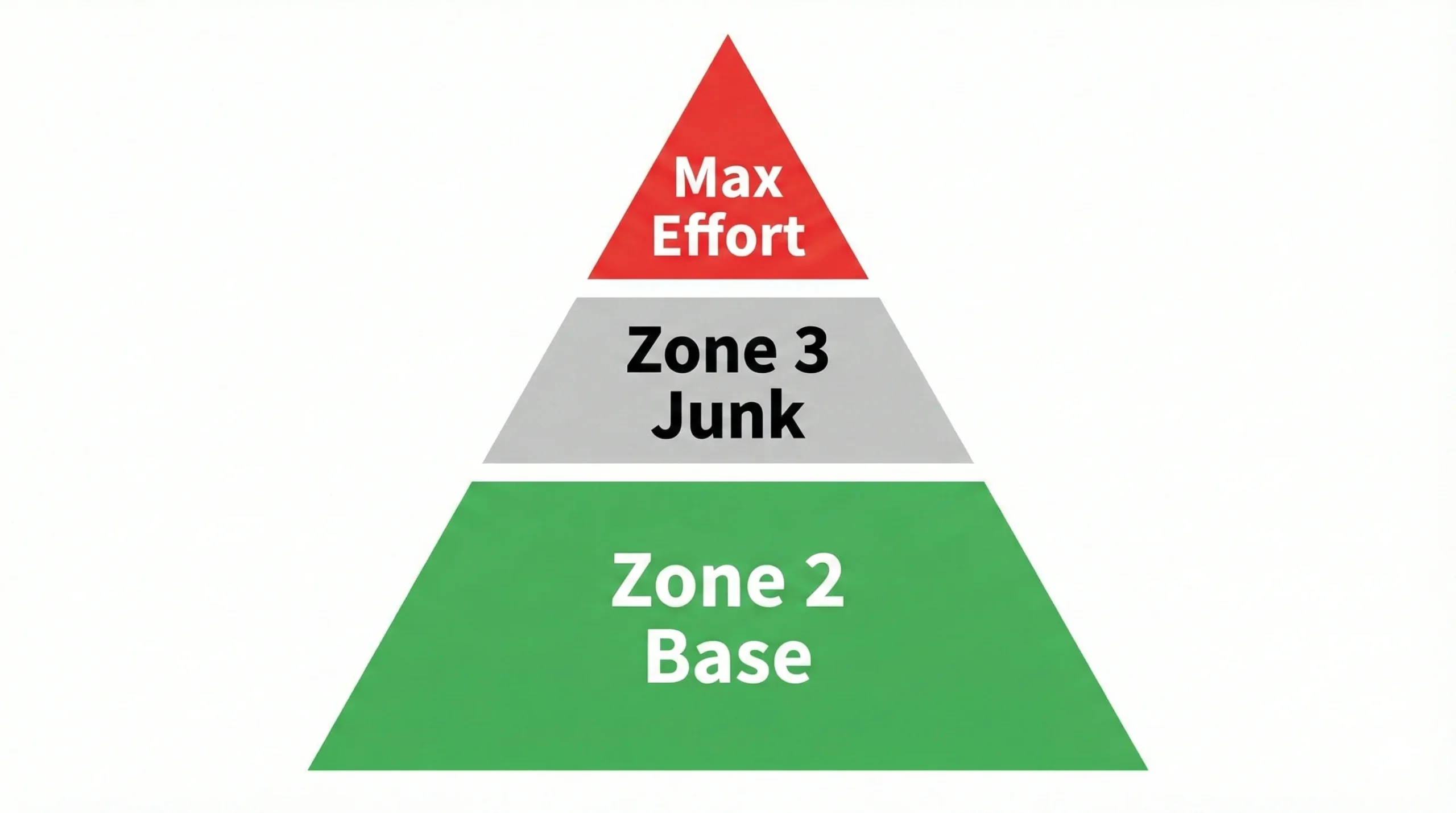
Why should you run slowly if you want to race fast? Because you cannot build a tall pyramid without a wide base.
1. The “Diesel Engine” Effect
The magic doesn’t happen in the first week. In my experience, around week 6 or 8, something “clicks.” I call it the Diesel Engine effect. Suddenly, I noticed I could run at the same “slow” pace, but my heart rate was 10 beats lower. Or conversely: I kept my heart rate low, but my pace had naturally increased by 30 or 40 seconds per kilometer without extra effort. You become a machine.
2. Supercharged Recovery
This was the most brutal change for me. Because Zone 2 cardio doesn’t generate high levels of lactate or excessive cortisol (stress hormone), you don’t wake up feeling like you were “hit by a truck.” You can train consistently day after day. Consistency beats intensity every time.
3. Metabolic Efficiency
Your body learns to burn fat as fuel. This is critical for long distances because it prevents “bonking” (hitting the wall) when your glycogen stores run out.
Comparison: Zone 2 vs. The “Grey Zone” (Zone 3)
Most runners think they are in Zone 2, but they are actually in Zone 3—the “Grey Zone.” It’s too hard to get the aerobic benefits, but too easy to get the anaerobic benefits. It is “junk mileage.”
| Feature | Zone 2 (The Sweet Spot) | Zone 3 (The Grey Zone) |
| Fuel Source | Primarily Fat (Lipids) | Mix of Fat and Sugar (Glycogen) |
| Feeling | Sustainable, easy, conversational | Comfortably hard, requires focus |
| Lactate | Cleared faster than produced | Starts accumulating slowly |
| Recovery | Very fast (hours) | Moderate (requires rest days) |
| Main Benefit | Mitochondrial density, aerobic base | Slight endurance, but high fatigue |
| The Trap | “Feels too slow” (Ego hit) | “Feels like a real workout” (Ego boost) |
The Mental Battle: Defeating the Ego
The hardest part of Zone 2 isn’t the running; it’s the mindset.
We are conditioned to believe that sweat and suffering equal progress. The hardest lesson I had to learn was that “slow” does not mean “bad.”
I had to stop looking at the pace (min/km or min/mile) on my watch and obsess only over my heart rate. I literally had to put my ego in my pocket. You have to be okay with being the slow runner today so you can be the fast runner next year.
Pro Tip: If you finish a run feeling guilty because you are “too fresh,” you probably did it right.
The #1 Mistake: Trusting Your Wrist Sensor
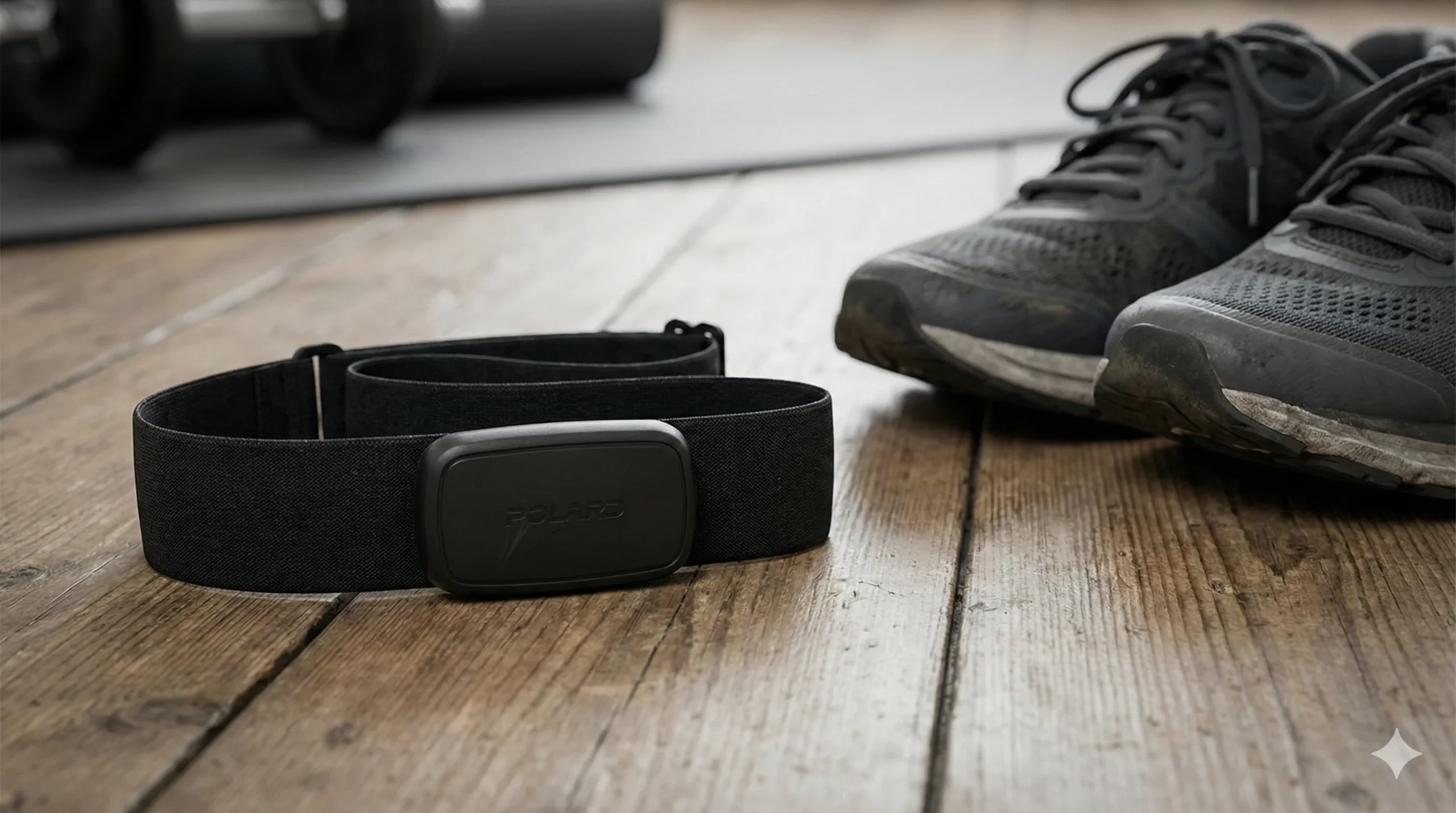
If you are going to take Zone 2 seriously, a chest strap is non-negotiable. I learned this the hard way. Wrist-based optical sensors are notorious for two things:
- Cadence Lock: They often confuse your footfalls with your heartbeat.
- Lag: When you run up a hill, your heart rate spikes, but the watch might show it 10-20 seconds later.
In Zone 2, drifting 5 beats too high can push you out of the fat-burning zone and into the carbohydrate-burning zone (Zone 3), effectively ruining the physiological goal of the session. You need electric precision, not optical estimates.
🛍️ BUYING GUIDE: Choosing the Right Heart Rate Monitor
Before you buy a sensor for Zone 2 training, check these 3 critical factors:
-
1. ECG vs. Optical: Always look for a chest strap (ECG technology). It measures the electrical impulse of the heart. Armbands and watches use optical light, which is less accurate during movement.
-
2. Connectivity (Dual Band): Ensure the device supports both Bluetooth and ANT+. This allows you to connect to your phone (Zwift/Strava) and your running watch simultaneously.
-
3. The “Coin Cell” Battery: Look for straps that use a replaceable coin cell battery (like CR2032) rather than rechargeable ones. They last for months (or years) so you never start a run with a dead battery.
🫀 Zone 2 Essential Gear
Wrist sensors lag. To build your engine properly, a chest strap is non-negotiable.
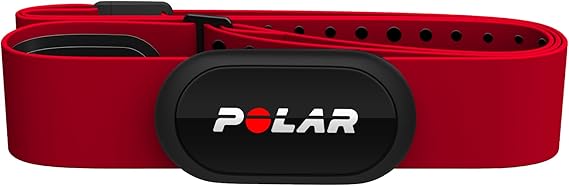
Polar H10 Sensor
The most accurate ECG sensor on the market. Meets all criteria: Dual Band (ANT+/Bluetooth) and uses a replaceable CR2032 battery. Trust your data.
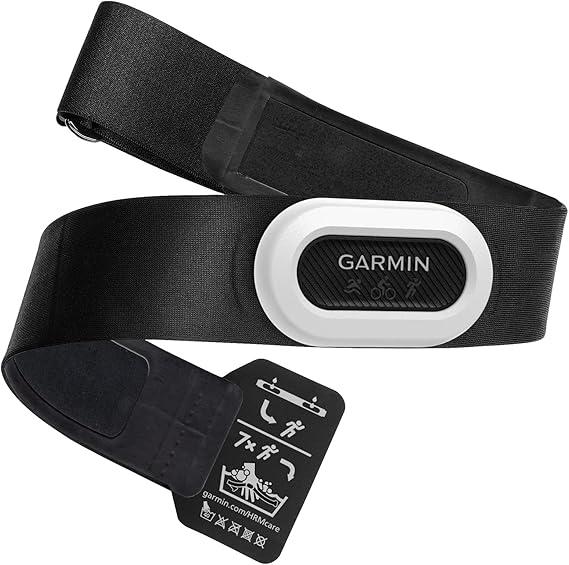
Garmin HRM-Pro Plus
Perfect for the Garmin ecosystem. It captures advanced Running Dynamics and stores data if you run without your watch. Zero lag, pure precision.
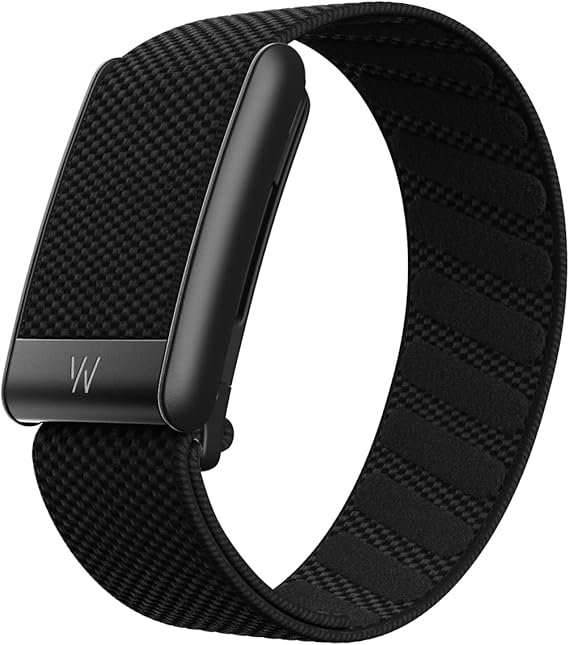
Wahoo TICKR X
Simple, reliable, and slim. Connects seamlessly to Zwift, Strava, and your phone simultaneously. Uses a coin cell battery so you never miss a session.
*As an Amazon Associate I earn from qualifying purchases. Prices updated for 2025.
How to Calculate Your Zone 2 (Math & Feel)
You can use formulas like 180 minus your age (Maffetone method) or 60-70% of your Max HR, but these are just estimates.
The “Talk Test” (The Ultimate Check)
Technology can fail, but your breath doesn’t lie. I suggest a simple test I use:
- Go for a run.
- Try to recite the alphabet out loud or sing a full verse of a song.
- The Rule: If you have to gasp for air mid-sentence, you are going too fast. Slow down.
Your Roadmap: What to Expect (Weeks 1-8)
Based on my journey, here is a realistic timeline so you don’t quit before the magic happens.
-
Phase 1: The Struggle (Weeks 1-4)
-
Symptom: Frustration, boredom. You will likely walk/run.
-
Goal: Mental discipline. Ignore the pace.
-
-
Phase 2: The Doubt (Weeks 4-8)
-
Symptom: “Is this working?” You feel like you aren’t training hard enough.
-
Goal: Relentless consistency. Trust the process.
-
-
Phase 3: The Adaptation (Week 8+)
-
Symptom: The “Diesel” feeling. You run faster at the same low heart rate.
-
Goal: Metabolic efficiency and increasing volume.
-

Conclusion
Zone 2 cardio is the antidote to the “burnout” culture of modern running. It requires you to be humble enough to run slow, so you can be fit enough to run fast. It changes your metabolism, saves your joints, and builds a tank-like engine.
Put on the chest strap, leave the ego at home, and enjoy the easy miles. The speed will come.
❓ Frequently Asked Questions (FAQ)
Q: Can I run hills while staying in Zone 2? A: It is very difficult. Most runners, myself included, have to walk up steep hills to keep the heart rate down. That is perfectly fine and ensures you don’t spike into anaerobic zones.
Q: How often should I do Zone 2 training? A: Elite athletes spend about 80% of their training volume in Zone 2 (The 80/20 Rule). For a beginner, aiming for 3 to 4 steady sessions a week is a great start to build your base.
Q: Will I lose speed if I only run slow? A: Temporarily, you might feel like you lost that “top-end” snap. However, once you re-introduce speed work (Zone 5) on top of this new massive aerobic base, you will reach peak speeds you couldn’t touch before.
Q: Is Zone 2 the same as the Maffetone Method (MAF)? A: They are very similar concepts. The Maffetone Method is a specific formula (180 – Age) designed to keep you strictly in the aerobic zone, which almost always correlates with Zone 2 physiology.
Related posts: 🔥 You might also like…

Ashwagandha Benefits for Men: Testosterone, Stress, and What They Don’t Tell You
Ashwagandha Benefits for Men: Testosterone, Stress, and What They Don't Tell YouIf you search for...

Creatine Monohydrate: The Ultimate Guide to Benefits, Dosage, and Side Effects
Creatine Monohydrate: The Ultimate Guide to Benefits, Dosage, and Side EffectsCreatine Monohydrate...
Magnesium Glycinate vs. Citrate: Which is Best for Sleep? (The Ultimate Comparison)
Magnesium Glycinate vs. Citrate: Which is Best for Sleep? (The Ultimate Comparison)You are...